Skip to content / Đến nội dung
ThichHocToan.com

Question bank SEAMO

Exam papers

3,510 questions

Question 1

SEAMO self-study edition 2027; not an official 2027 paper. Original source years are retained. 25 questions, 90 minutes; Q1–10: 3 points, Q11–20: 4 points, Q21–25: 6 points, total 100. Original response types and all subparts are preserved. Verified is an editorial convention; source defects, necessary assumptions and unresolved mathematical uncertainty are disclosed.

Postman Pat delivers a parcel from A to B. He may move only right or up along the grid lines. How many different paths can he take?
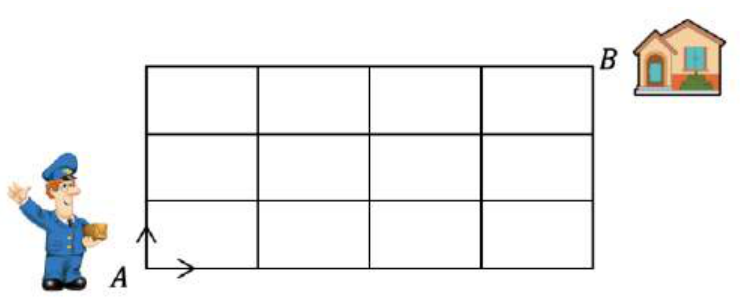
Question illustration
  1. 33
  2. 34
  3. 35
  4. 36
  5. 40

Question 2

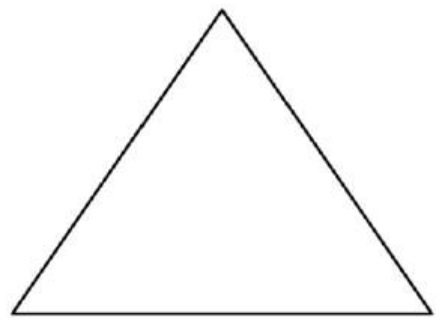
Wattaria puts coins along the three sides of a triangle, with 6 coins on each side. How many coins are there altogether? Use the figure. For this question, a coin is placed at each vertex and counts on both meeting sides.

Question illustration

A coin at each vertex is counted on both meeting sides.
  1. 15
  2. 16
  3. 17
  4. 18
  5. 19

Question 3

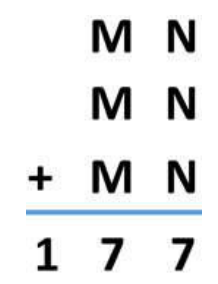
Find the digit M in the addition shown. Equal letters represent equal digits.

Question illustration
  1. 3
  2. 4
  3. 5
  4. 6
  5. 7

Question 4

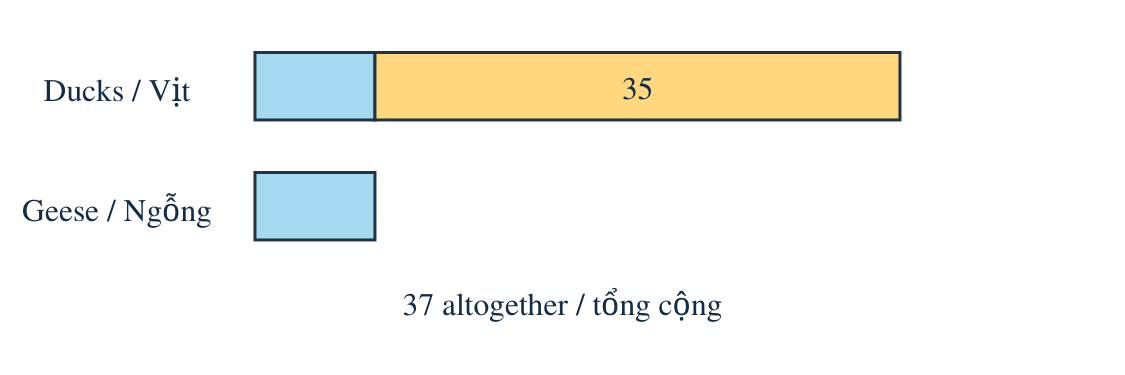
A farmer bought 37 ducks and geese altogether. There were 35 more ducks than geese. How many more geese should he buy so that the number of ducks is twice the number of geese?

Question illustration
  1. 2
  2. 7
  3. 17
  4. 18
  5. None of the above

Question 5

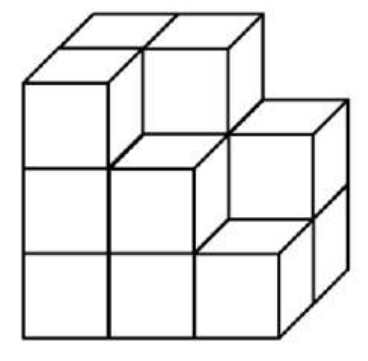
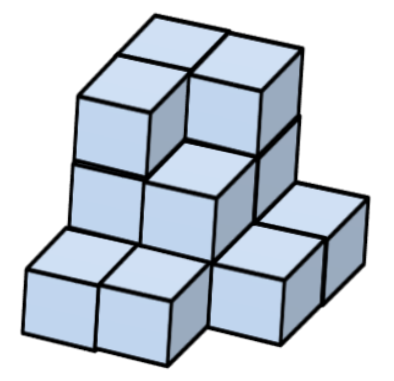
How many unit cubes are in the figure? Assume every column is solid down to the base, including cubes hidden from view.

Question illustration

All columns are solid to the base; hidden supporting cubes are included.
  1. 12
  2. 13
  3. 14
  4. 15
  5. 16

Question 6

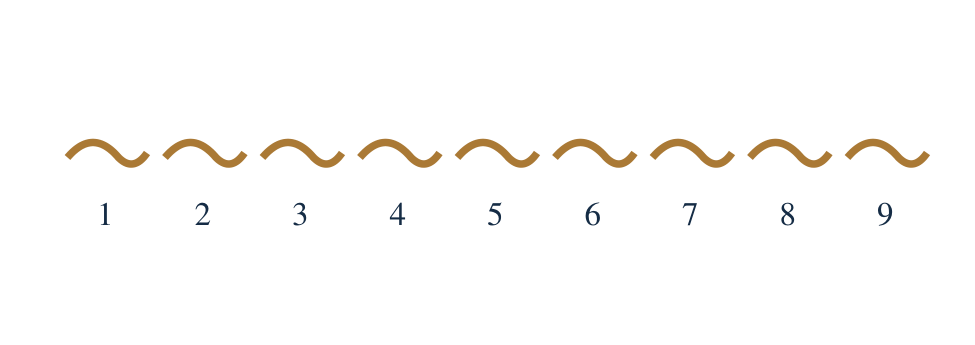
Jeriel ties 9 short pieces of rope together to make one longer rope. How many knots are needed? Join the pieces in a single open chain, using one knot at each join.

Question illustration

The rope is one open chain with one knot per join.
  1. 6
  2. 7
  3. 8
  4. 9
  5. 10

Question 7

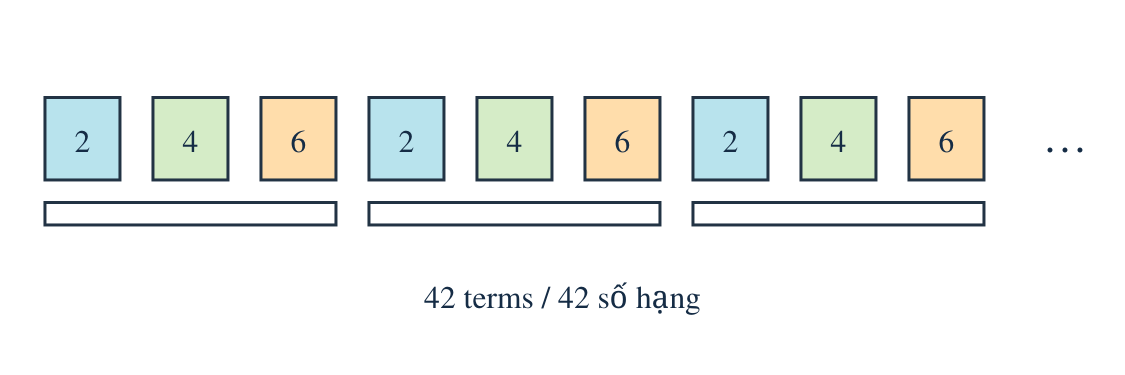
Find the sum of the first 42 numbers in the repeating sequence 2,4,6,2,4,6,2,4,6,…

Question illustration
  1. 168
  2. 164
  3. 162
  4. 160
  5. 172

Question 8

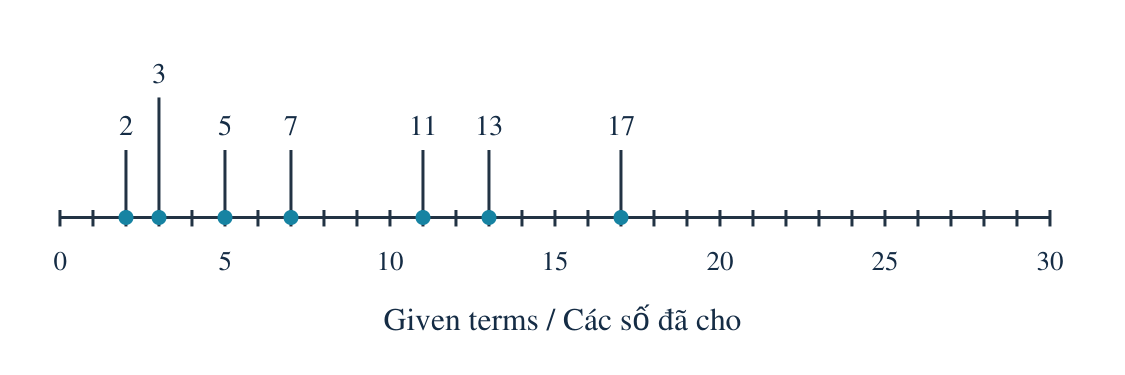
Find the next number in the intended familiar sequence: 2,3,5,7,11,13,17,( ).

Question illustration

Use the familiar intended sequence; a finite list alone does not uniquely determine its rule.
  1. 27
  2. 25
  3. 22
  4. 21
  5. 19

Question 9

Each circle represents a number. Follow the operations from left to right; the final circle contains 6. What number belongs in the first circle?

Question illustration
  1. 5
  2. 4
  3. 3
  4. 2
  5. 1

Question 10

The figure is formed by removing some unit cubes from a 3×3×3 cube. How many cubes remain? As in the source, assume all cubes hidden from view have not been removed.

Question illustration
  1. 9
  2. 11
  3. 13
  4. 15
  5. 17

Question 11

How many squares are there in the figure? Count squares of every size, regardless of colour.

Question illustration
  1. 6
  2. 8
  3. 10
  4. 12

Question 12

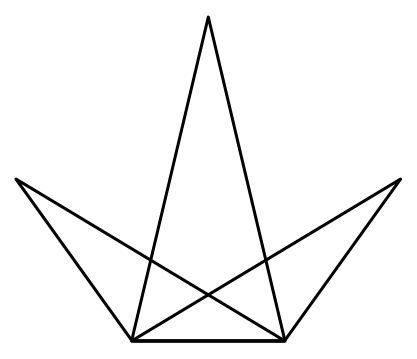
How many triangles are there in the figure? Count triangles of every size whose sides lie on the drawn segments.

Question illustration
  1. 14
  2. 15
  3. 16
  4. 17
  5. 18

Question 13

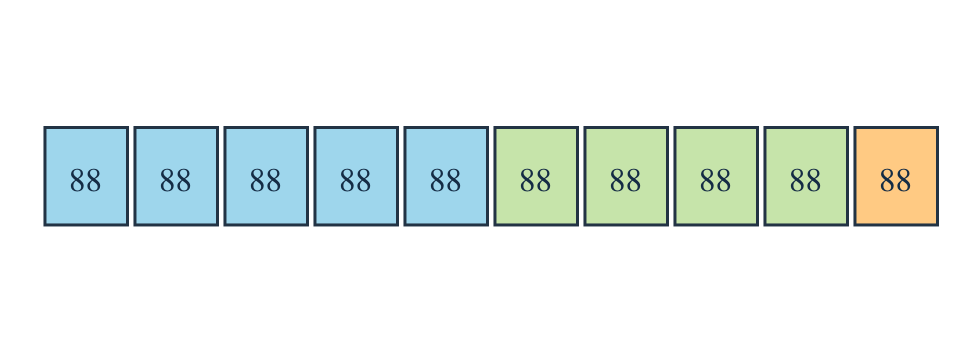
Use a simple method to compute 88×5+88×4+88×1.

Question illustration
  1. 576
  2. 764
  3. 880
  4. 888
  5. 889

Question 15

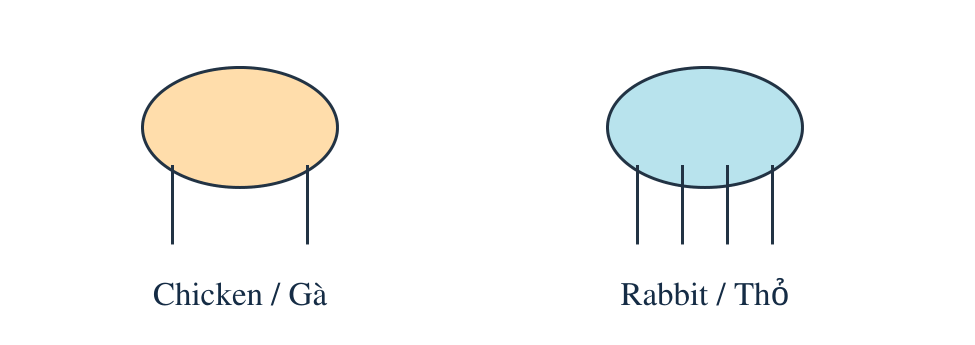
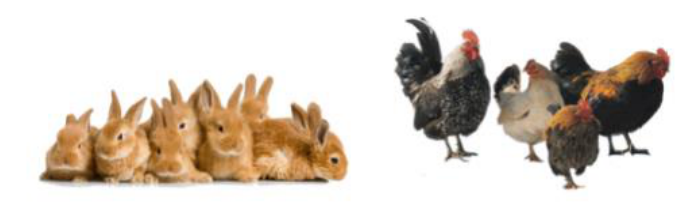
A farm has 18 chickens and rabbits altogether, with 58 legs in total. How many rabbits are there?

Question illustration

Question illustration
  1. 8
  2. 9
  3. 10
  4. 11
  5. 12

Question 16

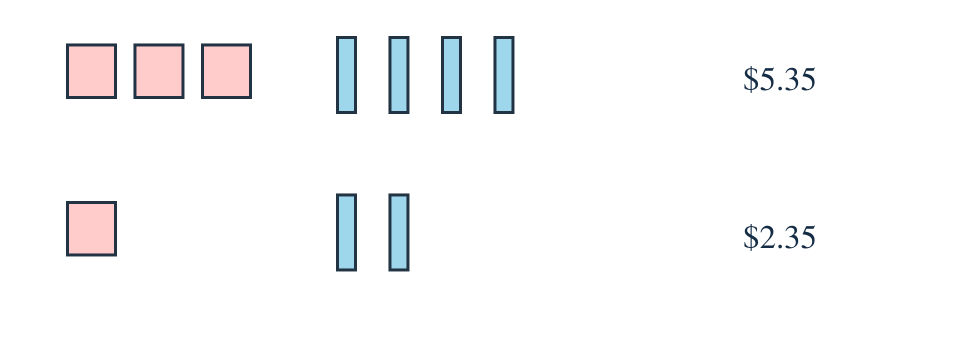
Jim bought 3 erasers and 4 pens for 5.35 dollars. Pam bought 1 eraser and 2 pens for 2.35 dollars. How much do 1 eraser and 1 pen cost together?

Question illustration
  1. 1.35 dollars
  2. 1.40 dollars
  3. 1.50 dollars
  4. 1.80 dollars
  5. None of the above

Question 17

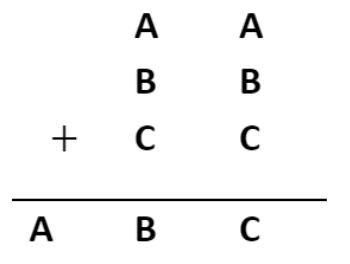
Find the three-digit number ABC satisfying the column addition shown. Equal letters represent equal digits, and A is nonzero.

Question illustration
  1. 196
  2. 197
  3. 198
  4. 199
  5. 200

Question 18

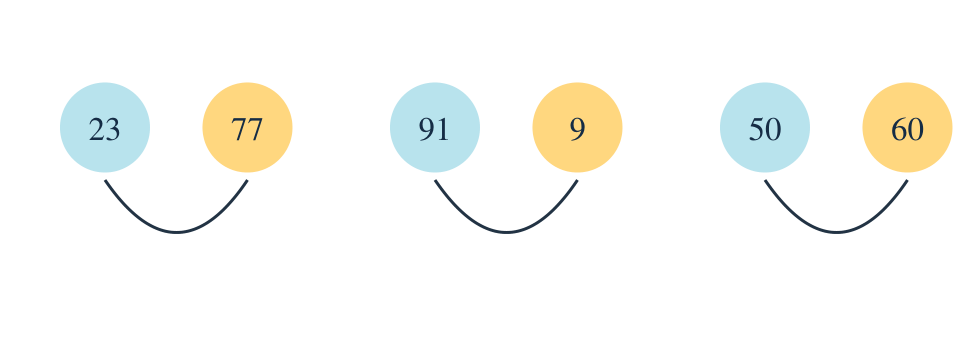
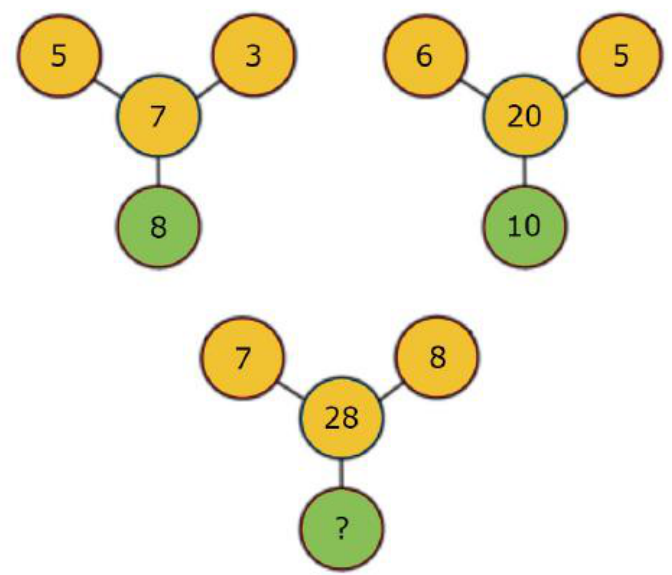
Find the missing number in the puzzle. Use the same intended arithmetic rule for each of the three groups.

Question illustration

Use the same intended arithmetic rule in all three groups; other rules could fit only the two completed examples.
  1. 8
  2. 13
  3. 14
  4. 17
  5. 28

Question 20

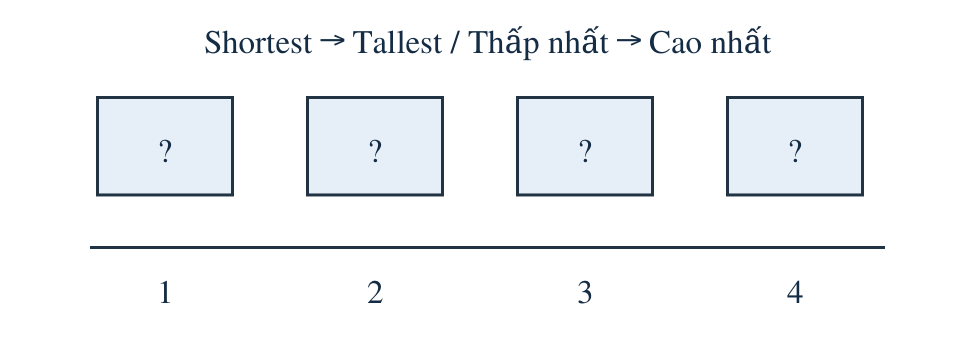
Four children have different heights. Amy is neither the tallest nor the shortest. Bernice is shorter than Candy. Candy is neither the second shortest nor taller than Denise. Name the children from shortest to tallest.

Question illustration