The beaver has nine fir trees of three types (
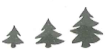
), with three trees of each type. Trees of the same type have the same height; different types have different heights. The nine trees are planted in a 3 × 3 garden so that each type appears exactly once in each row and column.
At each position around the garden, the beaver places a sign showing how many trees can be seen along that row or column. Shorter trees behind taller trees are hidden. The illustration below gives an example of the sign numbers for one arrangement of trees.
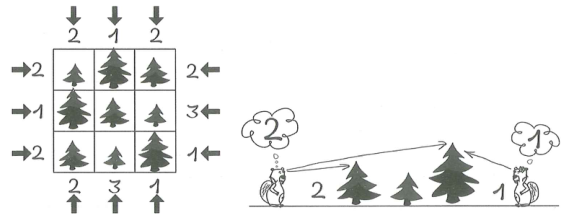
Example-picture data, with rows top to bottom and columns left to right:
| Row / Column | 1 | 2 | 3 |
| --- | --- | --- | --- |
| 1 | Short | Tall | Medium |
| 2 | Tall | Medium | Short |
| 3 | Medium | Short | Tall |
Numbers shown in the example:
| Viewing side | Row/column 1 | Row/column 2 | Row/column 3 |
| --- | --- | --- | --- |
| Left (rows) | 2 | 1 | 2 |
| Right (rows) | 2 | 3 | 1 |
| Top (columns) | 2 | 1 | 2 |
| Bottom (columns) | 2 | 3 | 1 |
The following picture gives some of the numbers on the signs around the garden. What is the sum of all the numbers once all signs have been placed?
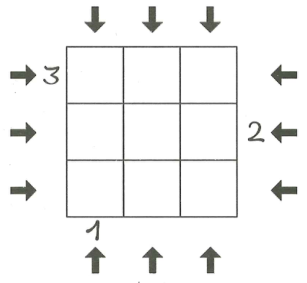
Clues for the puzzle to solve; — means no number is given, not zero:
| Viewing side | Row/column 1 | Row/column 2 | Row/column 3 |
| --- | --- | --- | --- |
| Left (rows) | 3 | — | — |
| Right (rows) | — | 2 | — |
| Top (columns) | — | — | — |
| Bottom (columns) | 1 | — | — |









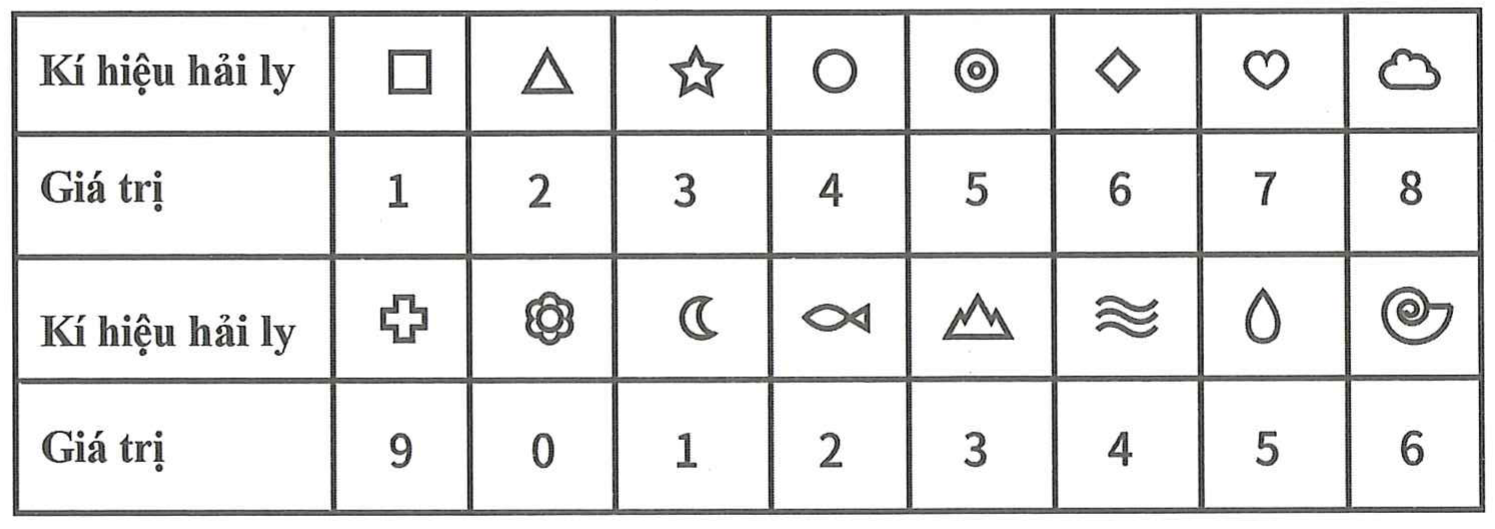
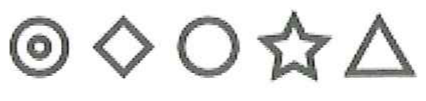 represents 56432.