Skip to content / Đến nội dung
ThichHocToan.com

IMSO 2017 Science International - Theory I

Question 1

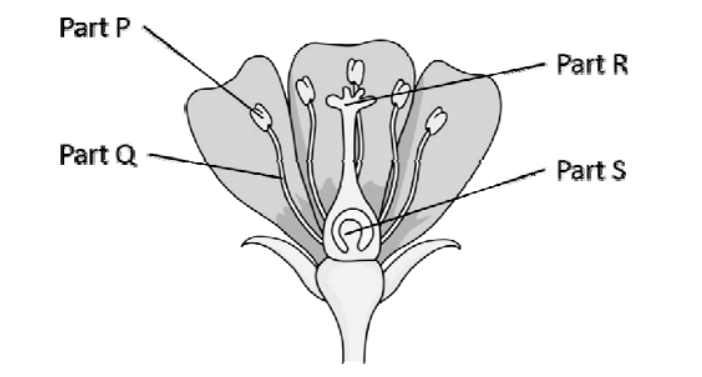
The figure below shows the longitudinal section of a flower. Identify the parts that are the anther and stigma.

Question illustration
  1. Anther: Part Q; Stigma: Part S
  2. Anther: Part R; Stigma: Part S
  3. Anther: Part P; Stigma: Part R
  4. Anther: Part R; Stigma: Part P

Question 2

Forensic scientists were tasked to collect samples from a crime scene to identify the culprit. Which type of cells should the scientists extract from the samples in order to obtain all 23 pairs of chromosomes?
  1. Egg cells
  2. Sperm cells
  3. Red blood cells
  4. White blood cells

Question 3

A population consists of all the organisms ____________________.
  1. found in a particular area at the same time
  2. found in a particular place in a food chain at the same time
  3. of all the species that are found in a particular habitat at the same time
  4. found in a given area at the same time that can interbreed with each other

Question 4

Food chains usually contain no more than four trophic levels because _____________________.
  1. only a single species of herbivore feeds on each plant species.
  2. predator species tend to be less diverse and fewer in numbers compared to prey species.
  3. local extinction of a species causes the extinction of the other species higher up the food chain.
  4. most of the energy is lost when organisms of the higher trophic level consumes the organism of a lower trophic level.

Question 5

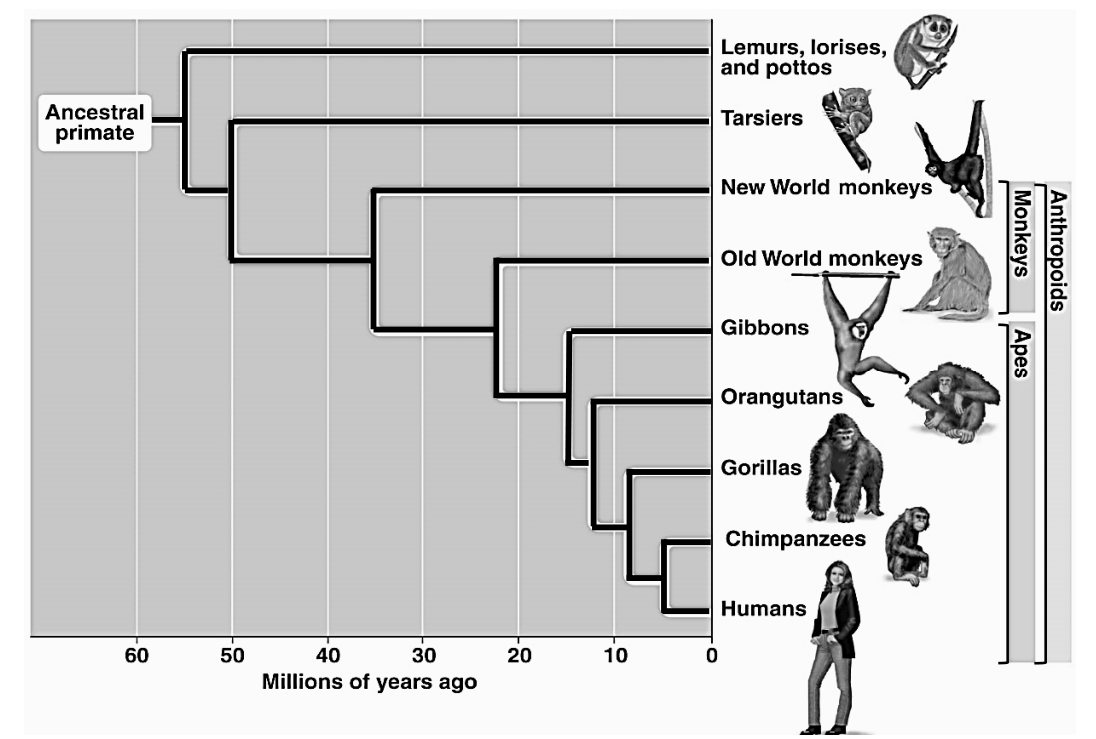
The figure below shows how primates can be classified. Which of the following conclusions can be made from the figure?

Question illustration
  1. Chimpanzees are a different type of monkey.
  2. Gibbons belong to a subset of new world monkeys.
  3. Humans are more similar to old world monkeys than they are to new world monkeys.
  4. Lemurs are more different from tarsiers than they are different from new world monkeys.

Question 6

Which of the statements below on respiration is false?
  1. The amount of dust particles in exhaled air is more than inhaled air.
  2. The concentration of nitrogen is the same in exhaled and inhaled air.
  3. The concentration of water vapour in inhaled air is lower than in exhaled air.
  4. In exhaled air, the concentration of oxygen is more than the concentration of carbon dioxide.

Question 7

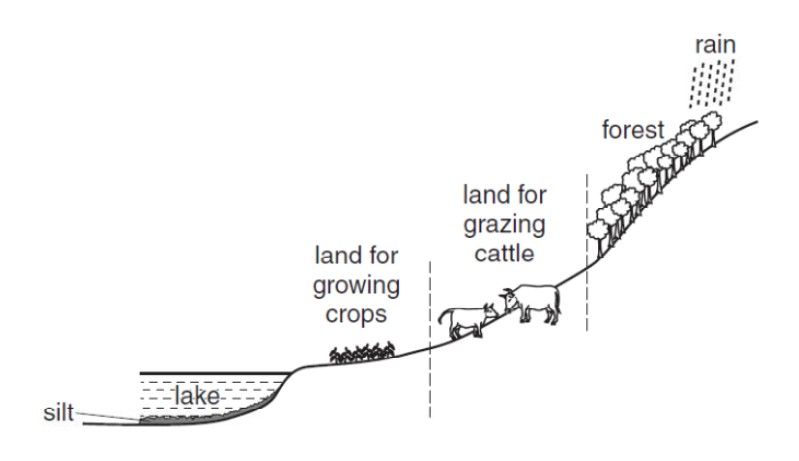
The figure below shows how some land near a lake is used. Which of the following actions will most likely cause the lake to flood?

Question illustration
  1. deforestation
  2. removing the cattle
  3. removing the silt from the lake
  4. growing genetically modified organisms instead of the original crops

Question 8

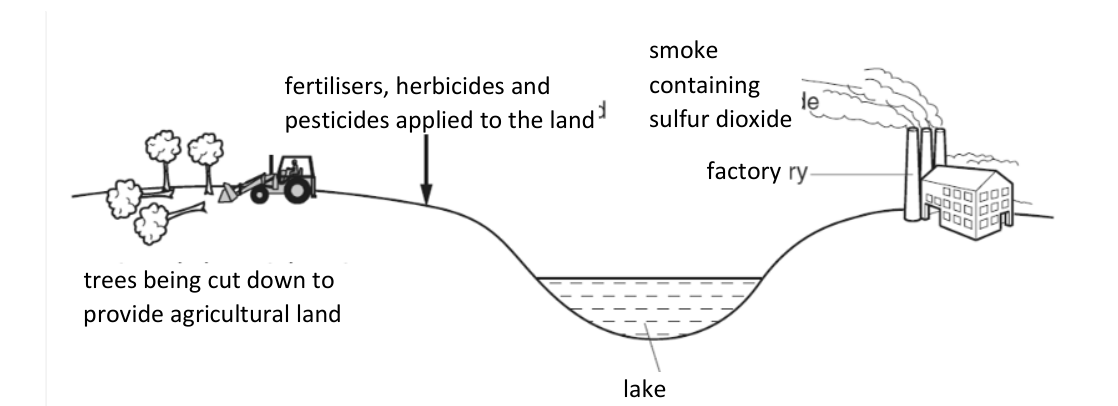
The figure below shows an area being developed for industry and agriculture. Which of the following is most likely to cause an initial increase in plant life in the lake?

Question illustration
  1. smoke
  2. fertilisers
  3. herbicides
  4. pesticides

Question 9

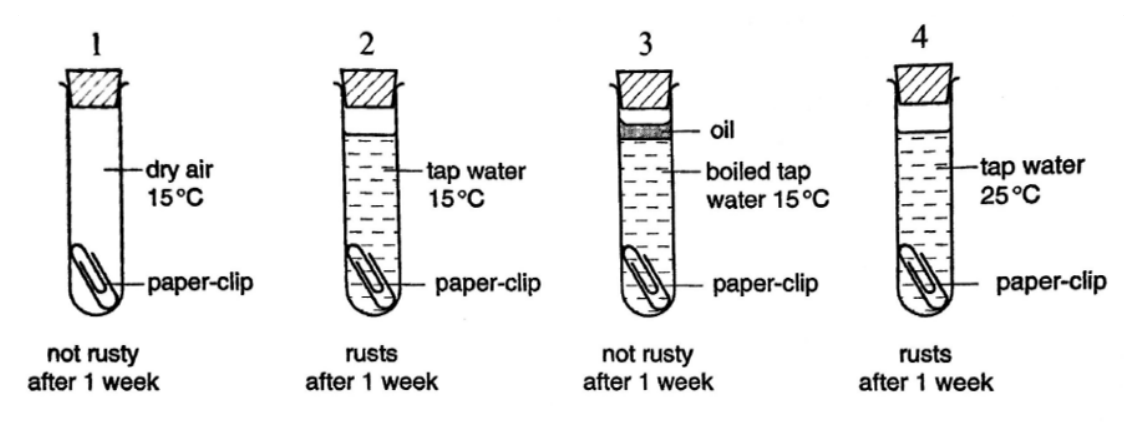
John wanted to find out the conditions needed for a metal paper clip to rust. His experimental set-ups and findings are shown below. Which two set-ups can be used to show that water is needed for iron to rust?

Question illustration
  1. 1 and 2
  2. 1 and 3
  3. 2 and 3
  4. 2 and 4

Question 10

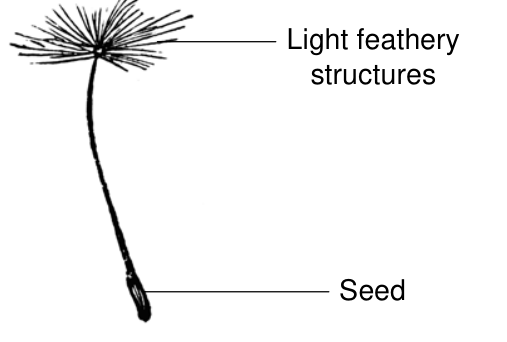
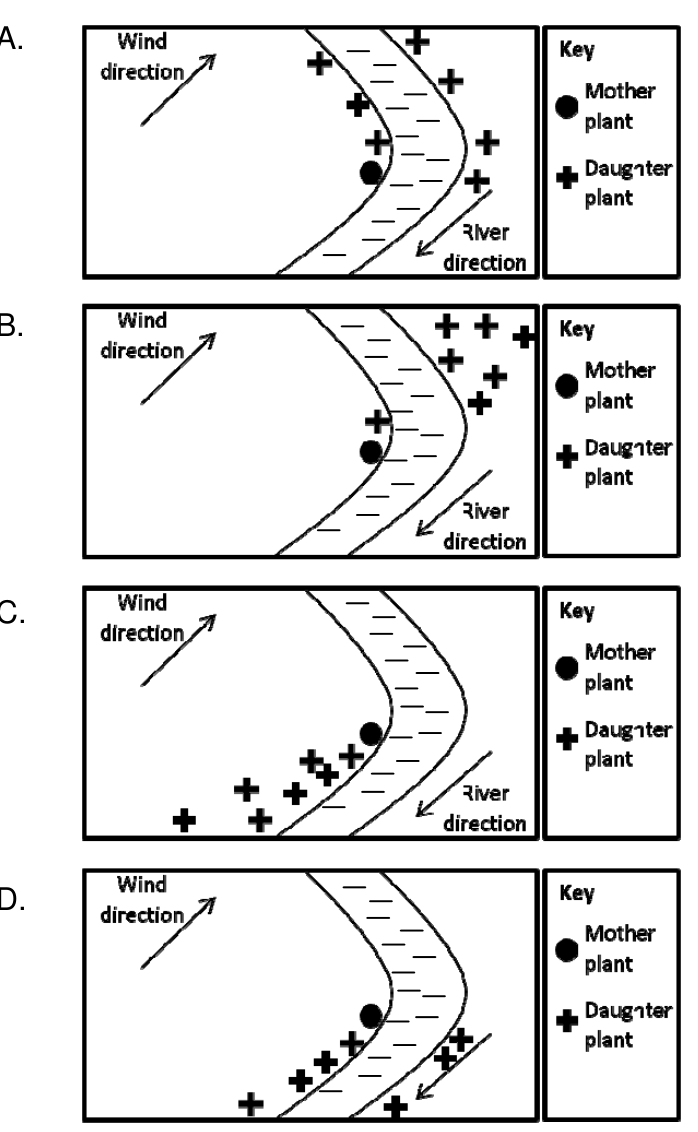
The fruit of Plant P is shown below. Which of the following maps correctly shows how Plant P is dispersed?

Question illustration

Question illustration
  1. Map A
  2. Map B
  3. Map C
  4. Map D

Question 11

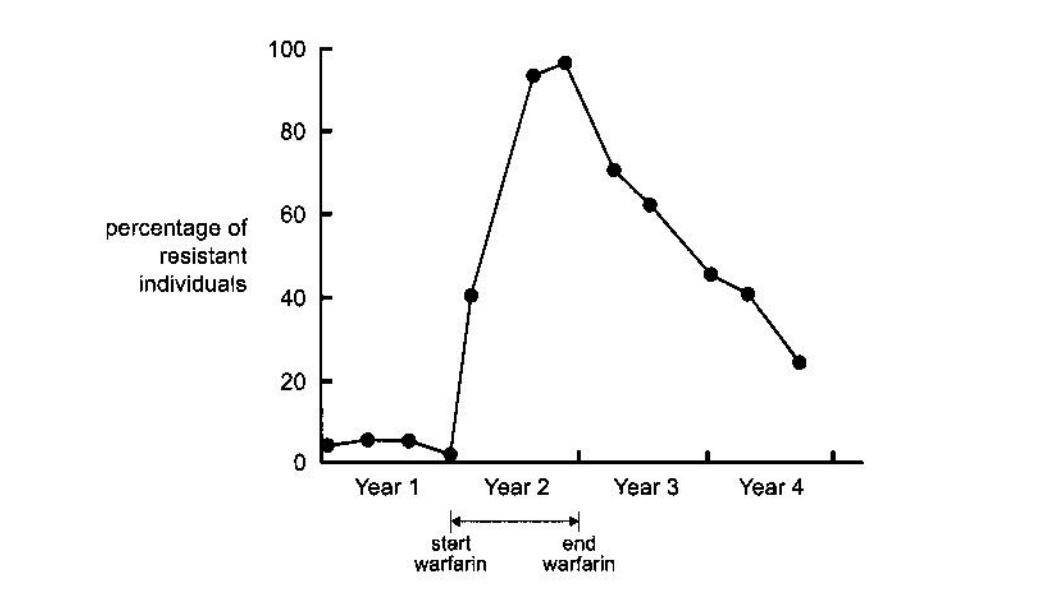
Warfarin is a poison used to control rat populations. It is an anticoagulant that prevents blood clotting. However, some rats are resistant to warfarin and are not affected by the poison. The figure below shows changes in the percentage of rats resistant to warfarin in a particular rat population over a period of about four years. High levels of warfarin were used on this population during Year 2. Which of the following can be inferred from the graph?

A. The use of warfarin results in healthier rats in year 3 and 4.

B. Rats developed resistance to warfarin at the beginning of Year 2.

C. As with rats, the use of warfarin will result in high levels in human beings.

D. If even higher levels of warfarin were used at the beginning of Year 2, 100% of the rat population could become resistant to it at the beginning of Year 3.

Question illustration

Question 12

The human body requires blood to supply enough oxygen to all parts of the body. A person involved in a car accident lost a large amount of blood and went into shock. How would his/her typical pulse rate and respiratory rate immediately change?
  1. Pulse rate increase; respiratory rate increase
  2. Pulse rate increase; respiratory rate decrease
  3. Pulse rate decrease; respiratory rate increase
  4. Pulse rate decrease; respiratory rate decrease

Question 13

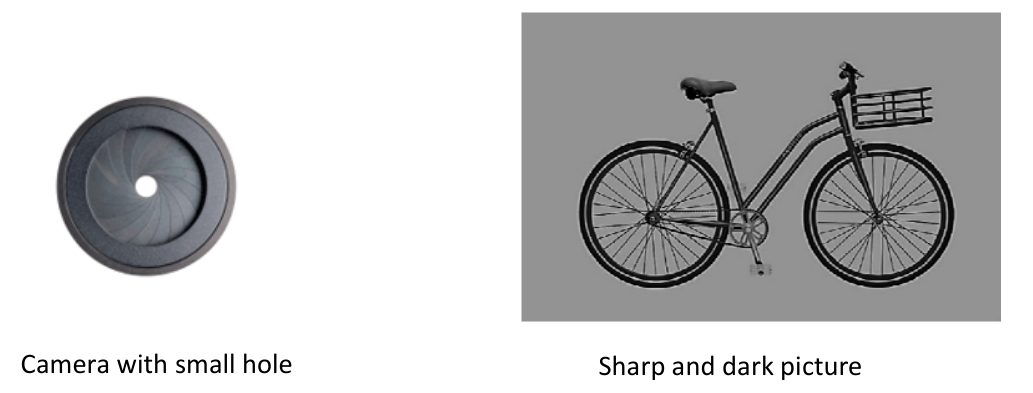
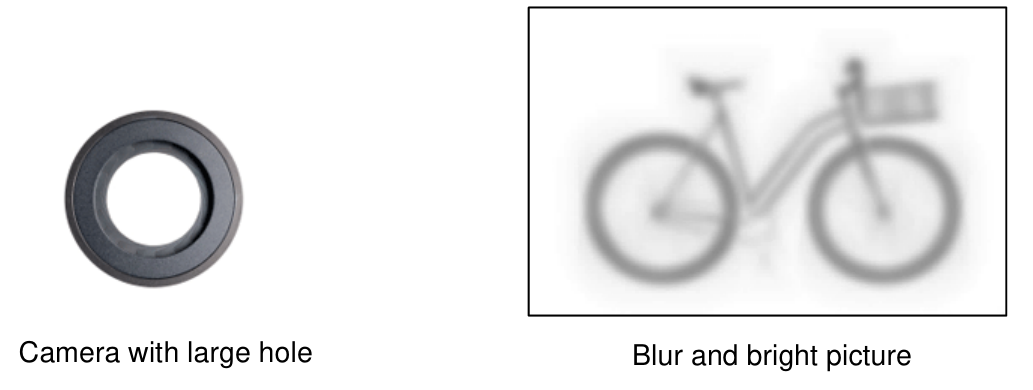
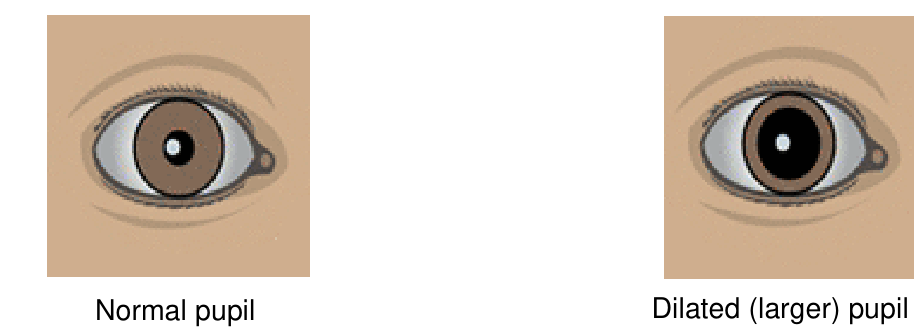
The pictures below show two cameras. One camera has a small hole for light to pass through and it produces photographs which are sharp, but dark. The other camera has a large hole for light to pass through, and produces photographs that are bright, but blur. How would pupils that are dilated (larger) affect vision?

Question illustration

Question illustration

Question illustration
  1. No change to vision.
  2. Vision will be sharper and brighter.
  3. Vision will be blurred and brighter.
  4. Vision will be sharper and dimmer.

Question 14

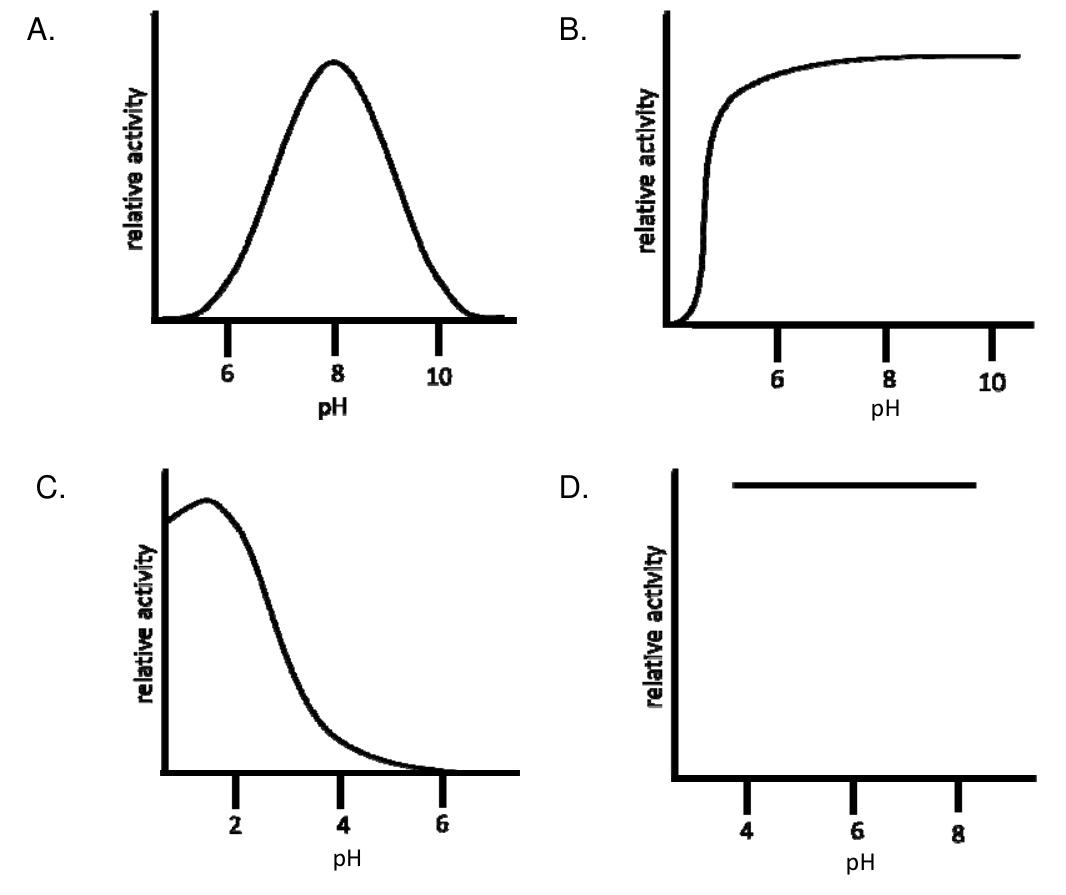
Protease is an enzyme which works in the stomach to digest protein. Which of the following graphs best represents how protease activity varies with pH?

Question illustration
  1. Graph A
  2. Graph B
  3. Graph C
  4. Graph D

Question 15

Compared to all the other planets of the solar system, Earth has the _____.
  1. highest density
  2. largest diameter
  3. highest gravitational force
  4. lowest average temperature

Question 16

Although Venus is further from the Sun compared to Mercury, its average surface temperature is higher than Mercury. Which of the following is a possible explanation for this?
  1. Venus is more than twice the size of Mercury.
  2. The carbon dioxide in Venus’ atmosphere traps heat.
  3. Ice is present on Mercury’s surface but not found on Venus.
  4. The length of a day on Mercury is 58 Earth days while a day on Venus is 243 Earth days.

Question 17

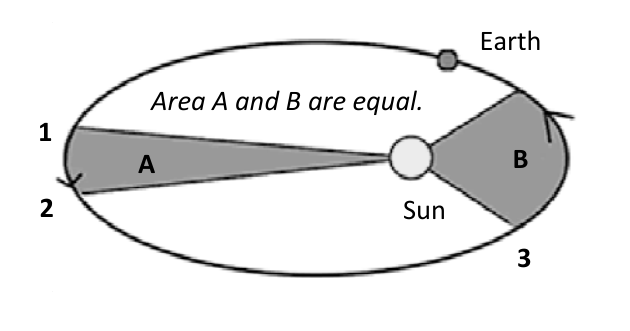
As a planet orbits the sun, an imaginary line joining a planet and the sun sweeps out equal areas in the same amount of time. This is shown in the figure below where the Earth takes 40 days to move from position 1 to 2, and another 40 days to move from position 3 to 4. The area of A is equal to the area of B. Which one of the following statements is false?

Question illustration
  1. Planets will travel faster when they are nearer to the sun.
  2. Planets which are closer to the sun will take less time to make a full orbit.
  3. Planets will spin slower when they are further from the sun.
  4. Planets will experience more gravitational force when they are nearer to the sun.

Question 18

Which of the factors below are responsible for determining the weather?

1. Temperature
2. Movement of air
3. Amount of water vapour in the air
4. Types of plants and animals in the area
  1. 1, 2 and 3 only
  2. 1, 2 and 4 only
  3. 2, 3 and 4 only
  4. All of the above

Question 19

Which one of the following is a cause of chemical weathering of rocks?
  1. growth of plant roots
  2. carbonic acid from acid rain
  3. freezing of water in fractures in the rocks
  4. changes in temperature between day and night

Question 20

The figures below show a liquid-in-glass thermometer at different temperatures. At 0°C, the length of the liquid column is 3.0 cm. At 100°C, the length of the liquid column is 28.0 cm. What is the length of the liquid column at 60°C?
Question illustration
  1. 15.0 cm
  2. 16.8 cm
  3. 18.0 cm
  4. 19.8 cm