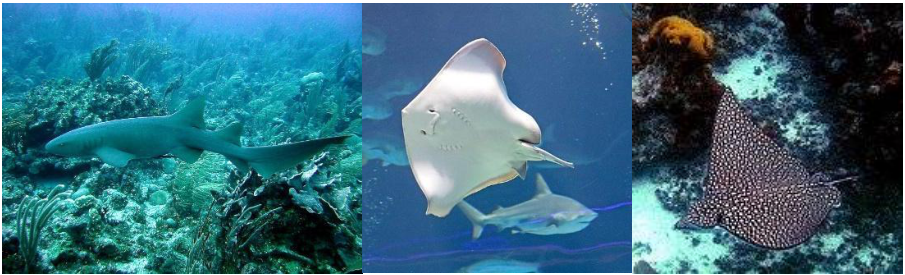
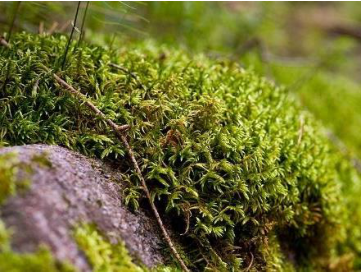
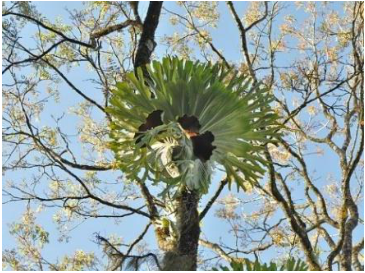
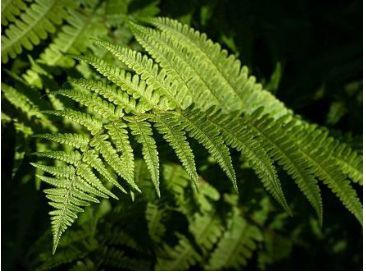
Sharks, stingrays, and manta rays are all closely related fishes despite differences in body appearances. How are they similar to each other?
Source: https://commons.wikimedia.org/
Editorial convention: Choose the most characteristic feature used to classify this group, rather than every feature shared by some members.
Which of the following blood vessels carry deoxygenated blood?
Editorial convention: Choose the specifically named vessel in normal circulation after birth; option D is transcribed as printed, not silently changed to “vein”.
The placenta is the site of exchange of important materials between the mother and the developing fetus inside the womb. Which of the following materials does not pass through the placenta?
A. Gases
B. Nutrients
C. Wastes
D. Cells
E. Metabolites
Editorial task: Explain the science and whether the printed question permits a unique answer.
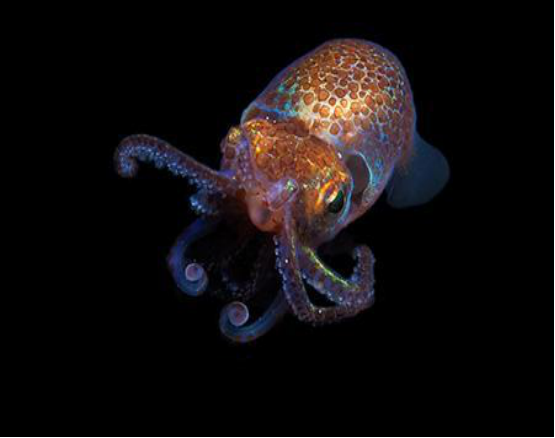
The Hawaiian bobtail squid glows in the dark due to a phenomenon called “bioluminescence”. However, this is not caused by the squid itself, but by microorganisms growing inside the squid. What kind of microorganism causes this bioluminescence?
Source: https://news.ucsc.edu/
A 5.0 g cork was found to float in an unknown liquid. The liquid has volume 50 mL. In the same liquid, a piece of stone weighing 20.0 g sinks. Arrange the three objects according to increasing density:
Some rubbing alcohols that you use on your hand to kill bacteria contain ethanol. Ethanol is made up of carbon, oxygen, and hydrogen. In an experiment, a chemist determined that 160 g of ethanol contains 83 g of carbon and 56 g of oxygen. How much hydrogen is in the sample of ethanol?
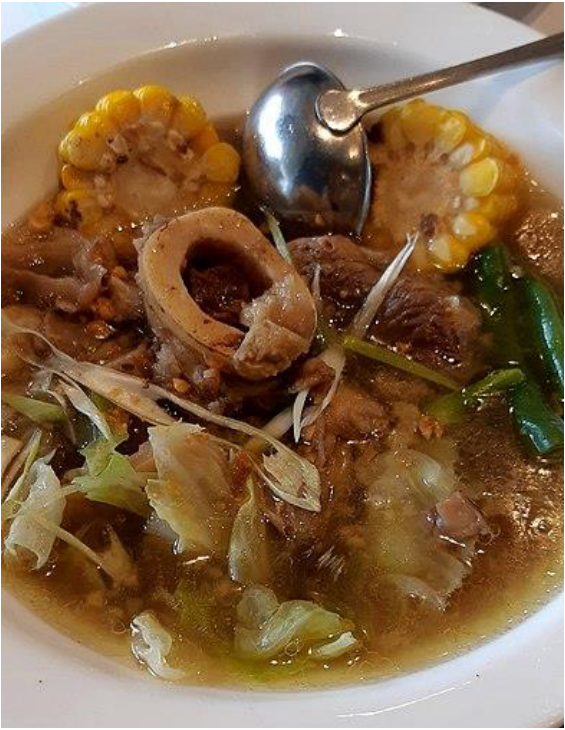
Bulalo soup is a popular Filipino beef stew made from beef broth, vegetables, and corn.
Bulalo is best characterized as a ______.
By Marife.altabano, own work, CC BY-SA 4.0, https://commons.wikimedia.org/w/index.php?curid=127617548
In which phase of matter do the particles have the highest kinetic energy?
Editorial convention: Use the usual school heating sequence for the same substance. Explain the limitations of this simplified model.
solid
liquid
gas
the kinetic energy of particles is not related to the phase of matter
both liquid and gasses since they are prone to expansion
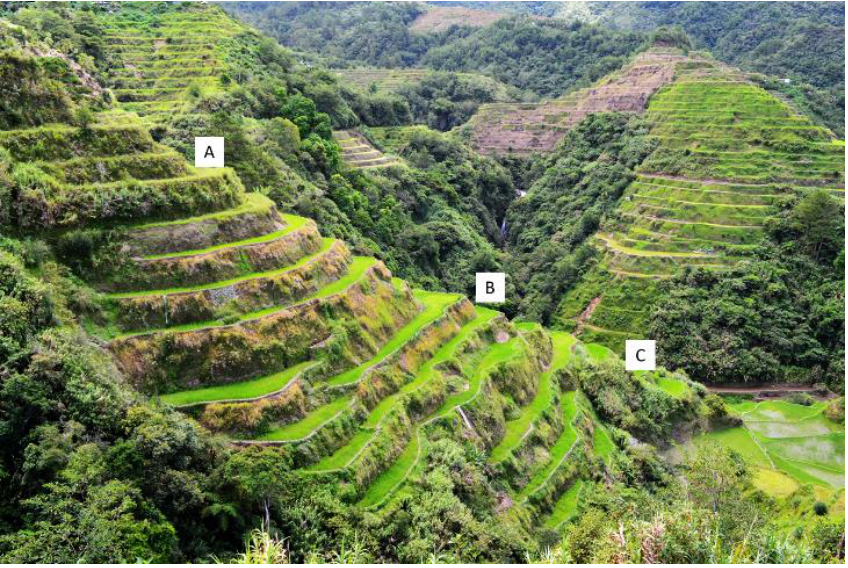
The Banaue Rice Terraces is a famous Philippine landmark. Built over a thousand years ago, the terraces allowed to grow rice even on mountains. On which part of the rice terraces would you have the highest kinetic energy?
By Edwin Juen Jr., own work, CC BY-SA 4.0, https://commons.wikimedia.org/w/index.php?curid=72812167
A. A
B. B
C. C
Editorial task: Explain the science and whether the printed question permits a unique answer.
You hear sound because of vibrations in air detected by your ears and sent to your brain as electrical signals. Because of this, sound is not an entirely different form of energy. Sound is actually what kind of energy?
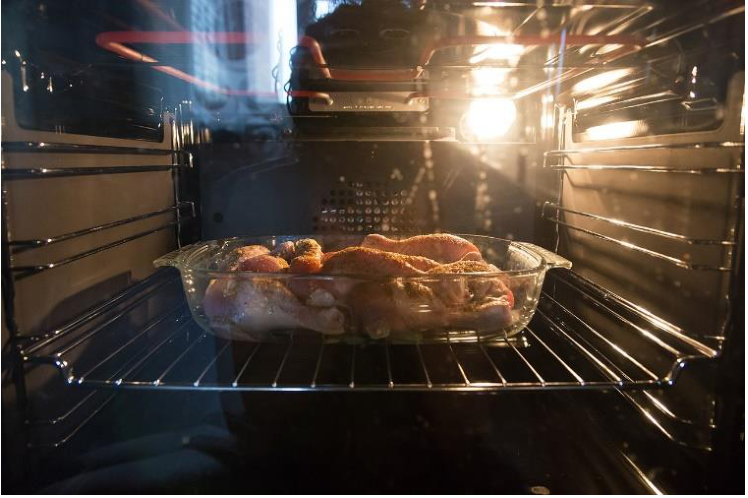
Ovens can cook food even if the food is NOT in direct contact with the food being cooked. This is because the air inside the oven transfers heat to the food.
This illustrates what kind of heat transfer?
By Vyacheslav Argenberg, http://www.vascoplanet.com/, CC BY 4.0, https://commons.wikimedia.org/w/index.php?curid=104997108
On which date does the Sun cast the longest shadow at noon in the Northern Hemisphere?
Editorial convention: Consider a fixed upright object on level ground at a nonpolar Northern Hemisphere location with noon sunlight; dates are approximate seasonal labels.