Question 29
If the answer is not an integer, give the nearest integer. If the calculated answer has more than five digits, give its last five digits.
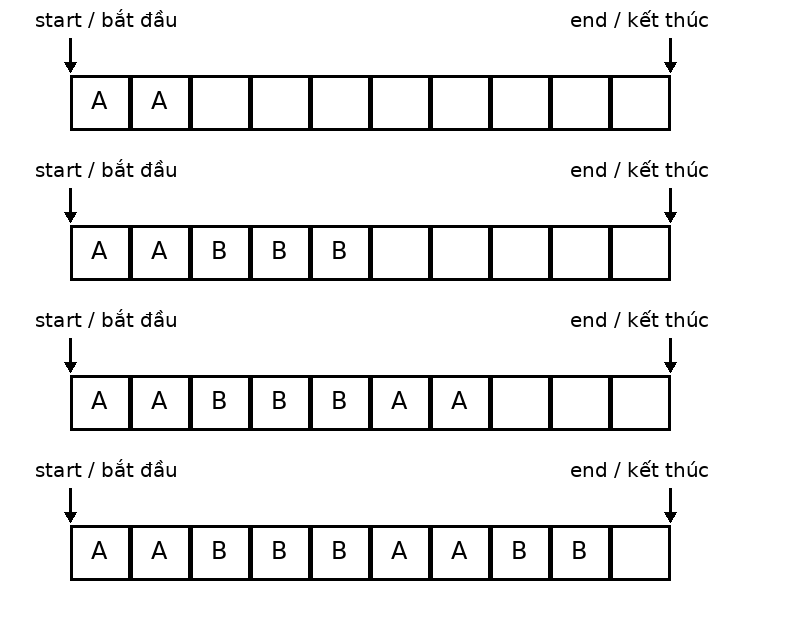
Two players alternately put marbles into a row of initially 10 empty squares. Each turn places 1 to 5 marbles, filling the leftmost empty squares consecutively, one marble per square. The player placing the last marble loses. Example: A starts and places 2, B places 3, A places 2, B places 2; only one square remains, so A must fill it and loses. The source says the starting player has a winning strategy. For a row of 60 squares, how many marbles should the first player place on turn 1 to guarantee a win?
Two players alternately put marbles into a row of initially 10 empty squares. Each turn places 1 to 5 marbles, filling the leftmost empty squares consecutively, one marble per square. The player placing the last marble loses. Example: A starts and places 2, B places 3, A places 2, B places 2; only one square remains, so A must fill it and loses. The source says the starting player has a winning strategy. For a row of 60 squares, how many marbles should the first player place on turn 1 to guarantee a win?