Skip to content / Đến nội dung
ThichHocToan.com

VTMO 2026 - Grade 5 - Final - SET 4 - Self-study

Question 1

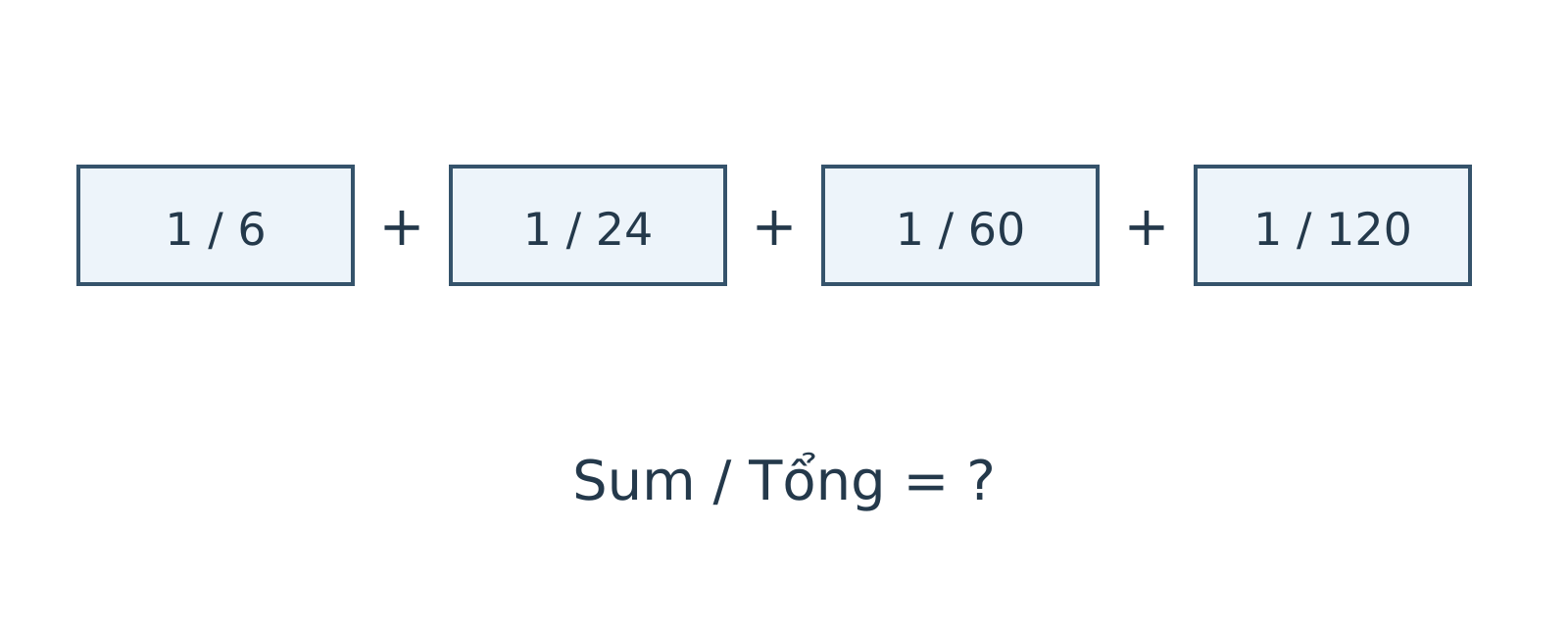
Calculate $\dfrac{1}{1\times2\times3}+\dfrac{1}{2\times3\times4}+\dfrac{1}{3\times4\times5}+\dfrac{1}{4\times5\times6}$.

Question illustration

Question 2

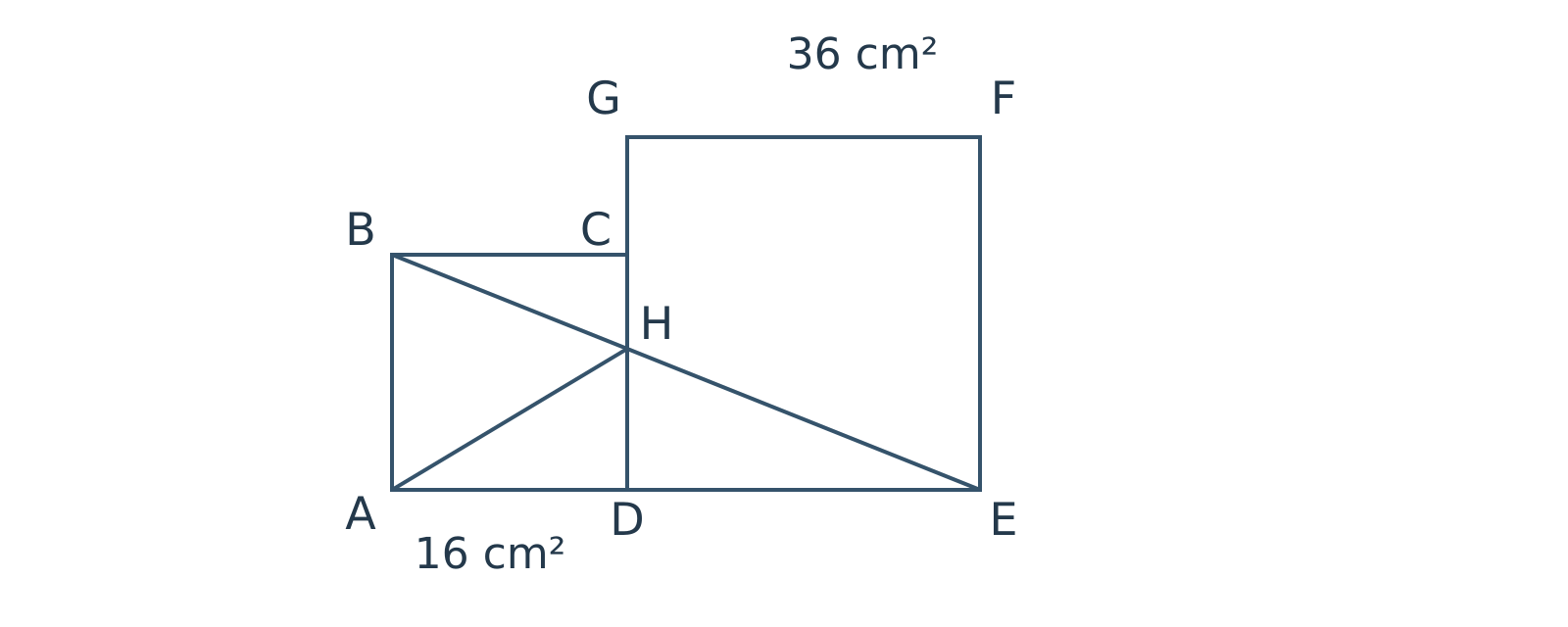
Squares $ABCD$ and $DEFG$ have areas 16 and 36 square centimetres, respectively. Segment $BE$ meets $GD$ at $H$. Find $HD$ in millimetres.

Question illustration

Question 3

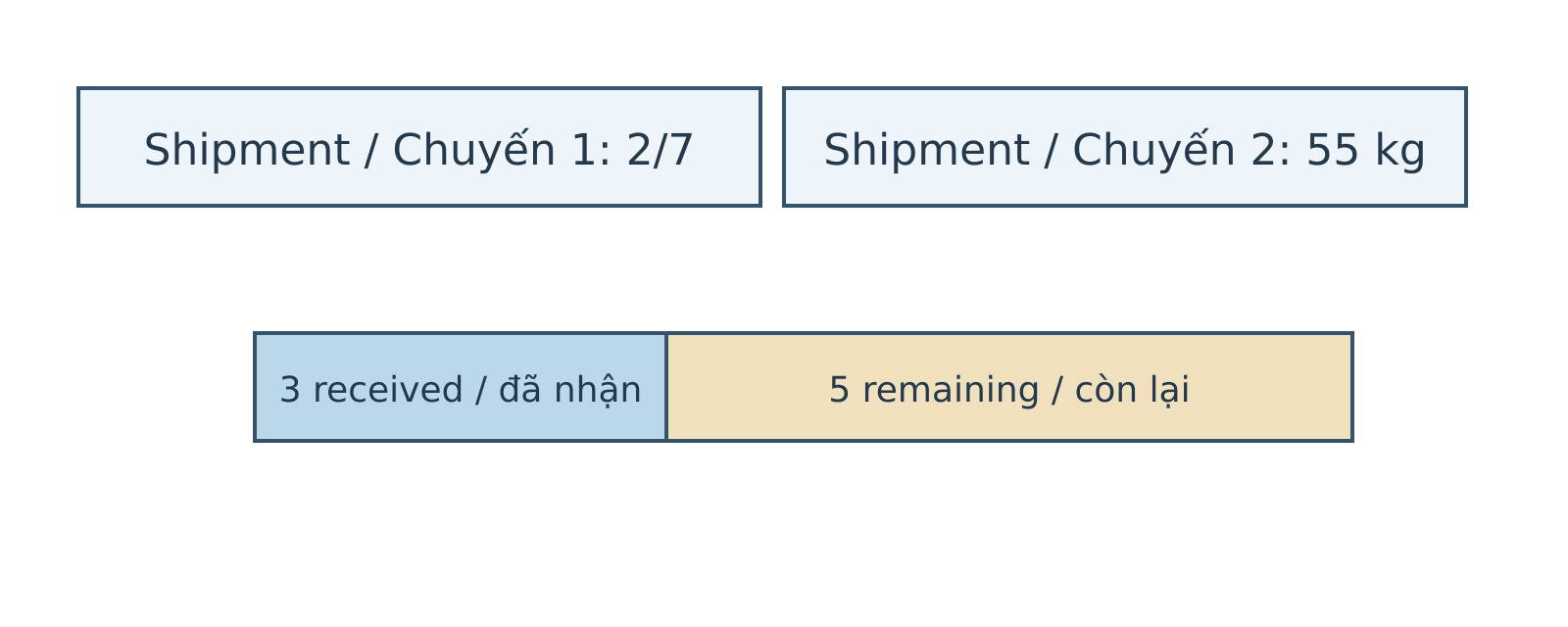
A fruit shop orders apples delivered in several shipments. The first shipment contains $2/7$ of the order, and the second contains 55 kg. After these two shipments, the ratio of apples received to apples still to come is $3:5$. How many kilograms has the shop received? Explain your reasoning.

Question illustration

Question 4

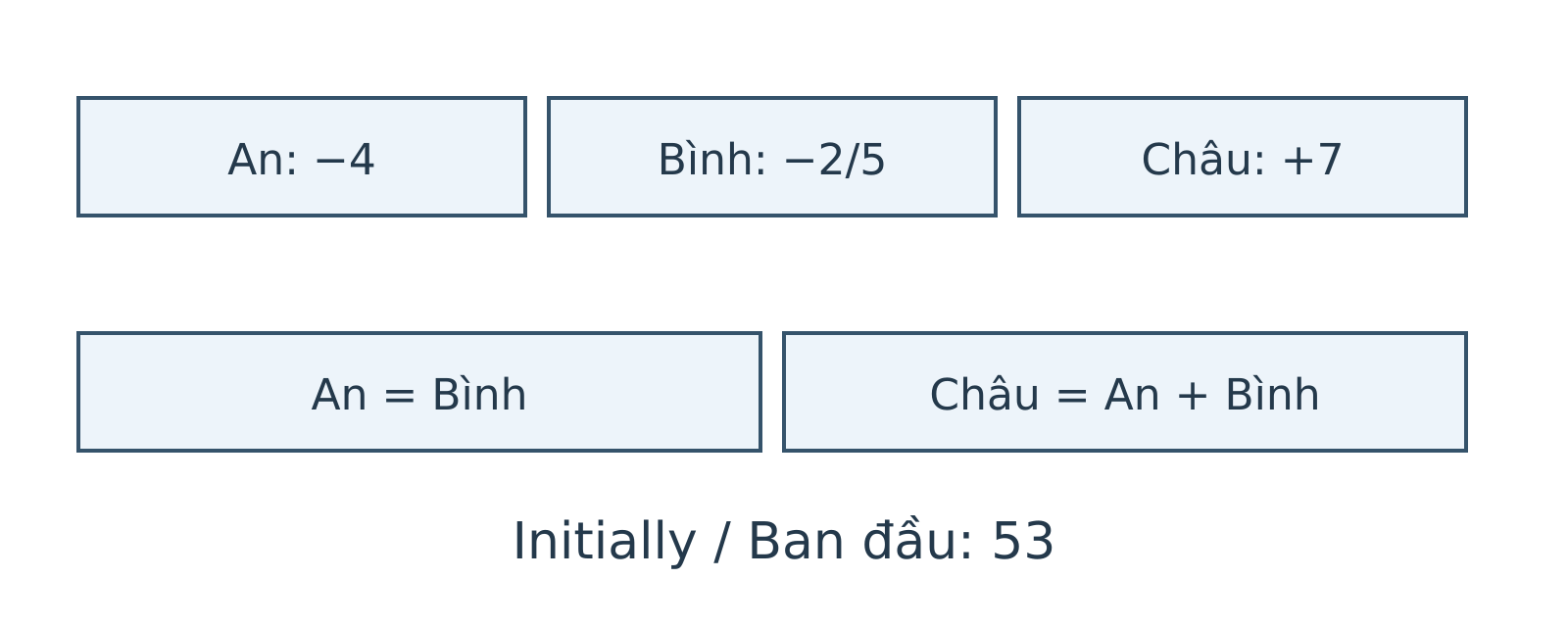
An, Bình and Châu have 53 sweets altogether. An eats 4 sweets, Bình eats $2/5$ of his sweets, and Châu receives 7 more from her mother. An and Bình then have equal amounts, and Châu has as many as the other two together. How many sweets did Châu have initially?

Question illustration

Question 5

At New Year, Grandfather, Father and Mother give lucky money to Pi and Ksi. Grandfather gives Pi 100,000 đồng more than Ksi. Father gives Pi 100,000 đồng less than Ksi. Mother gives Pi twice as much as Ksi.

Pi says to his older brother Ksi, “My total lucky money is 100,000 đồng more than yours.” Ksi replies, “If Grandfather had given me as much as Father gave me, I would have received 100,000 đồng more than you.”

Practice completion: the original text has no final question. Using the statements, find (a) Mother’s gift to each child and (b) how much more Father gave Ksi than Grandfather gave Ksi. Explain why the separate gifts from Father and Grandfather cannot be uniquely determined.

Question illustration

Question 6

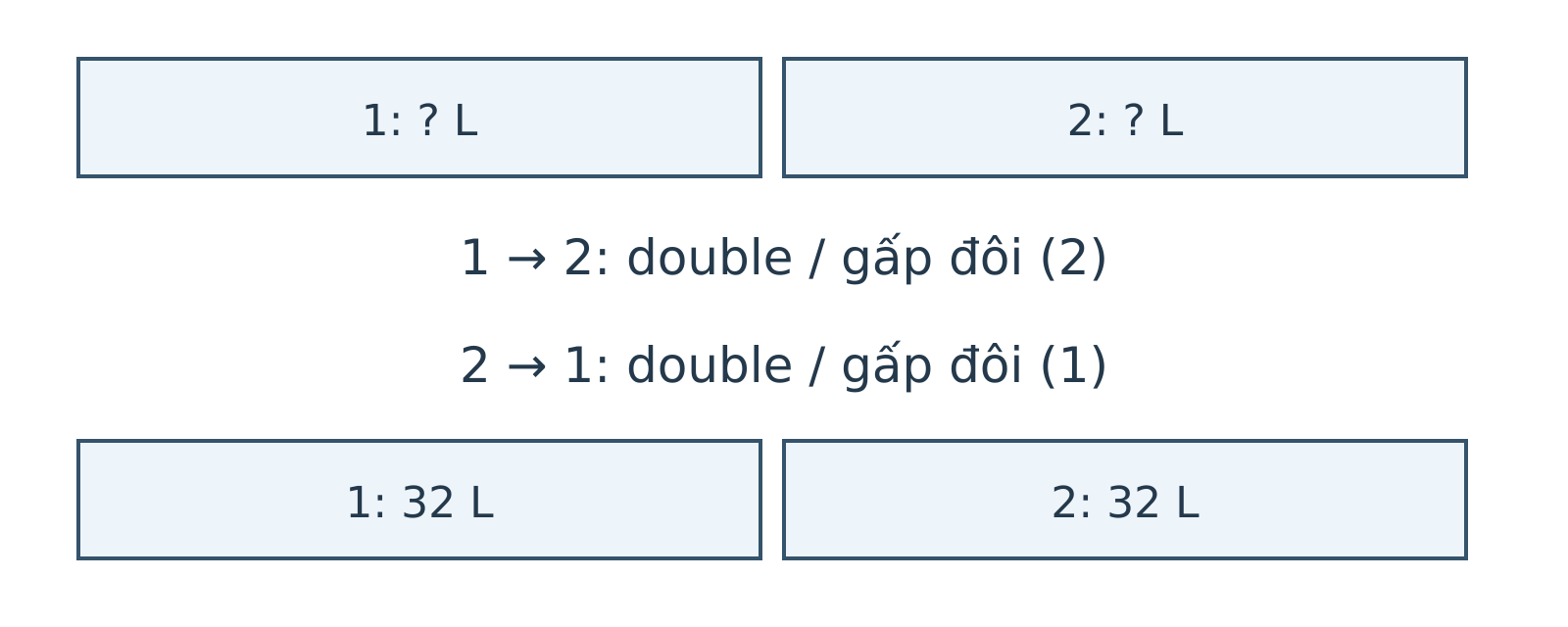
Two containers hold water. First pour from container 1 into container 2 an amount equal to the water initially in container 2. Then pour from container 2 into container 1 an amount equal to the water now in container 1. Both containers then hold 32 litres. How many litres did each contain initially?

Question illustration

Question 7

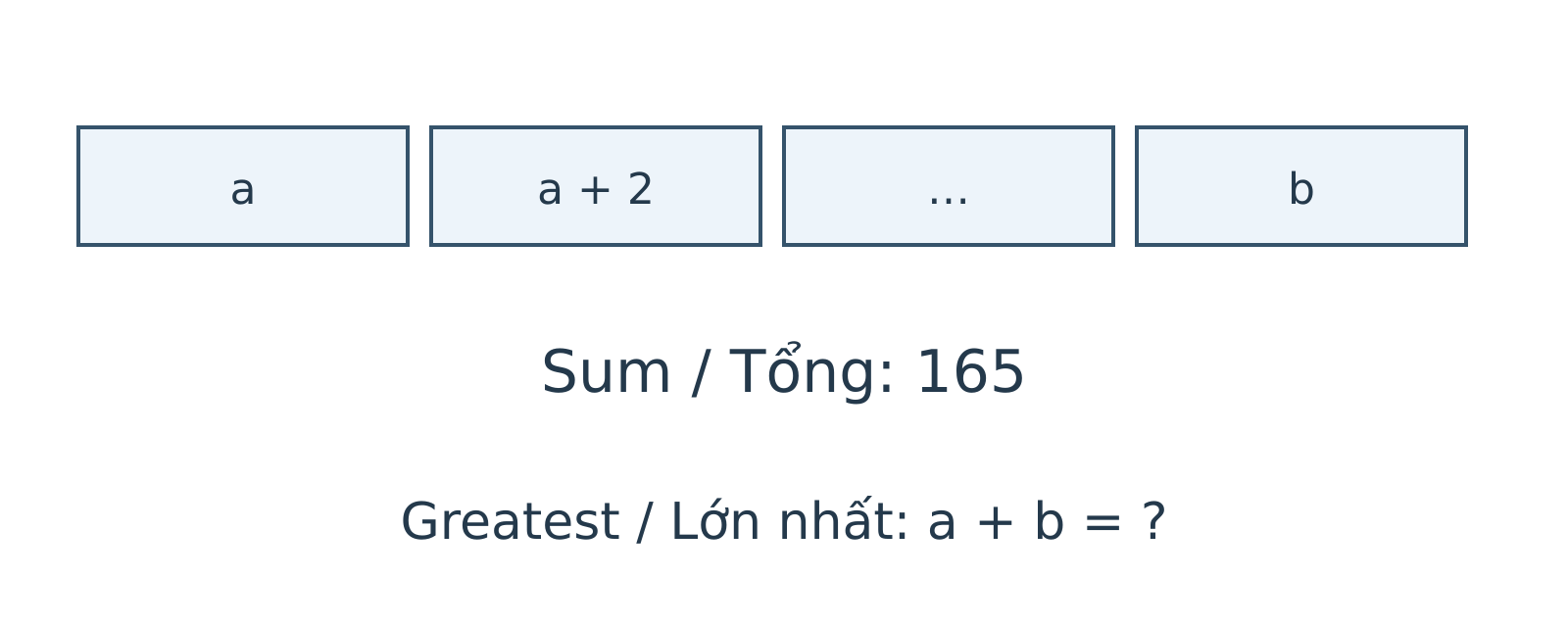
Tom writes a sequence of consecutive odd numbers with more than one term. Their sum is 165. What is the greatest possible sum of the smallest and largest terms?

Question illustration

Question 8

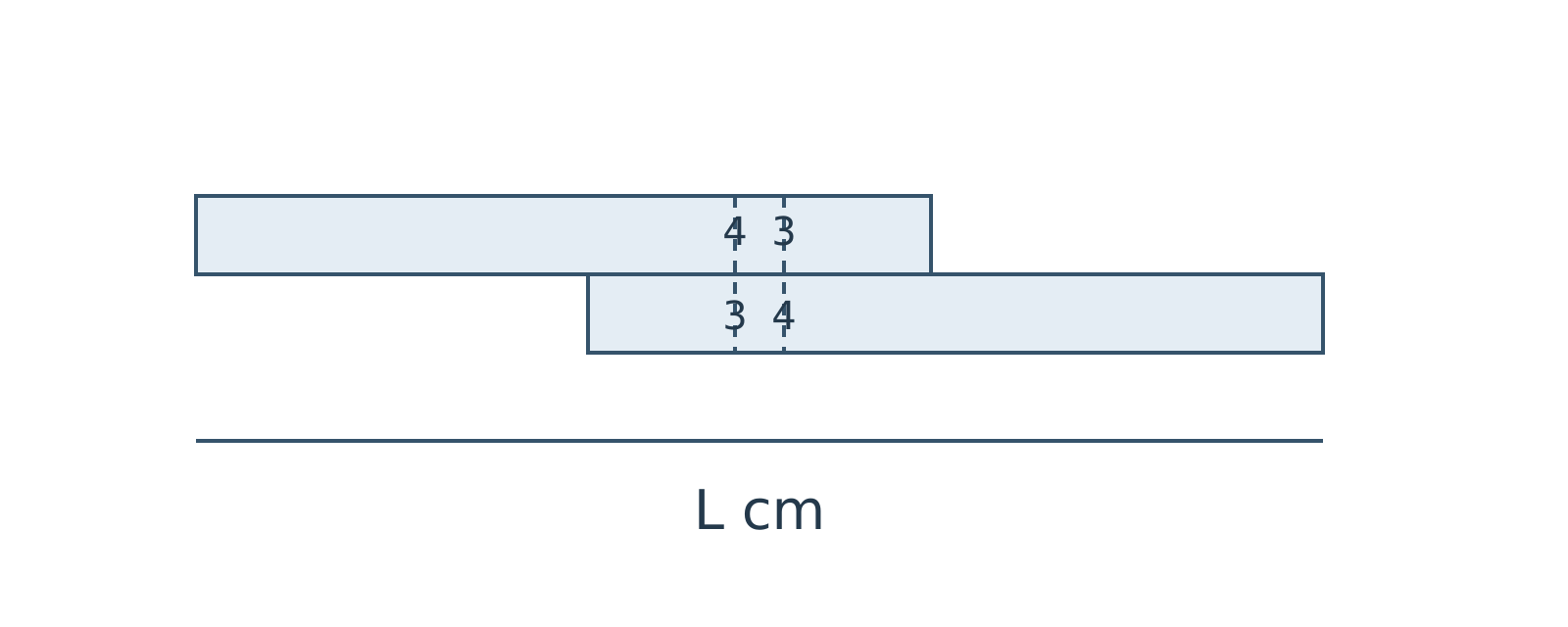
Two old rulers are each 15 cm long and were marked from 0 to 15 cm. All centimetre marks have faded except the 3 cm and 4 cm marks. They overlap in opposite directions as shown: the 3 cm mark of either ruler coincides with the 4 cm mark of the other. Find the total length $L$ in centimetres.

Question illustration

Question 9

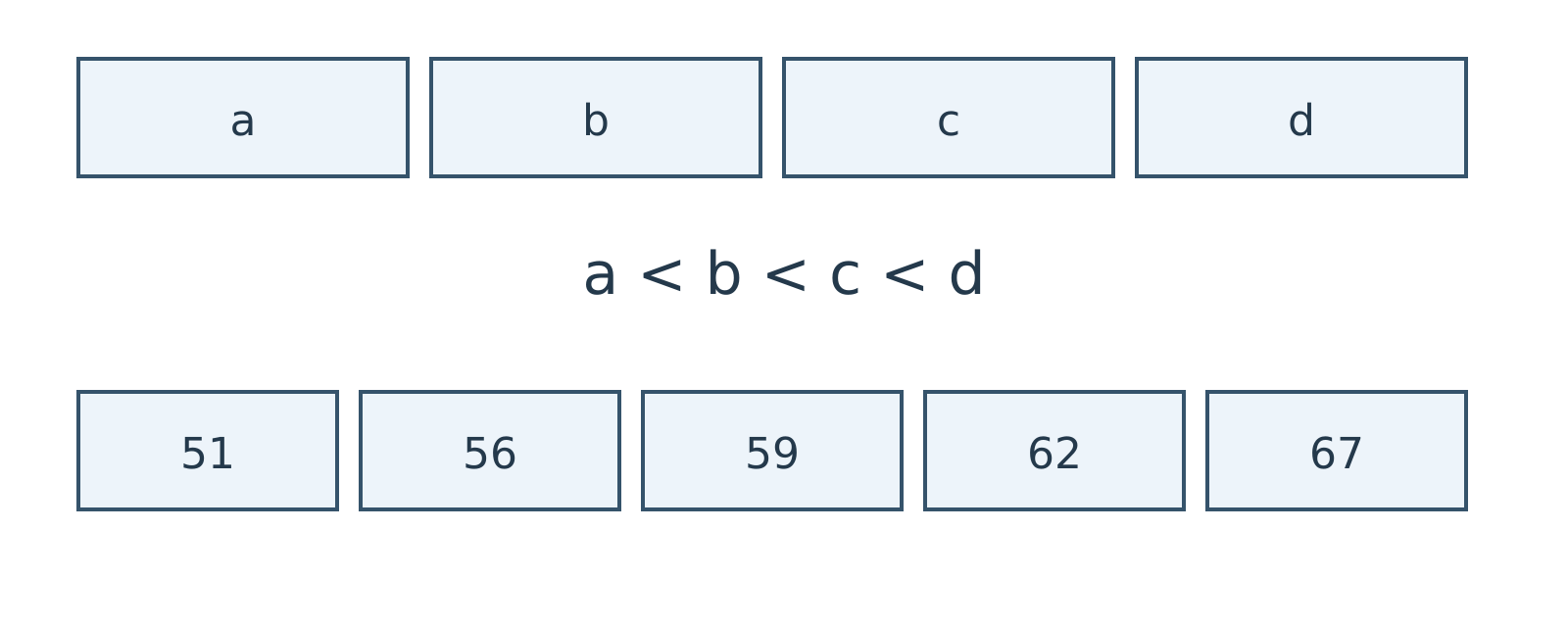
Giang chooses four distinct natural numbers and forms the sum of every pair of different numbers. The distinct sums obtained are 51, 56, 59, 62 and 67. What is the largest of the four original numbers?

Question illustration

Question 10

Teacher Lượng tells teacher Dũng, “I am so busy teaching that I have no time to go away for a few days.” Dũng replies, “But you have no classes on Saturdays or Sundays.” Lượng says, “Even so, looking at December’s calendar, I have no three consecutive days off.” What is the fewest days he teaches in December 2016? Explain.

Counting convention: consider runs of three dates entirely within December.

Question illustration

Question 11

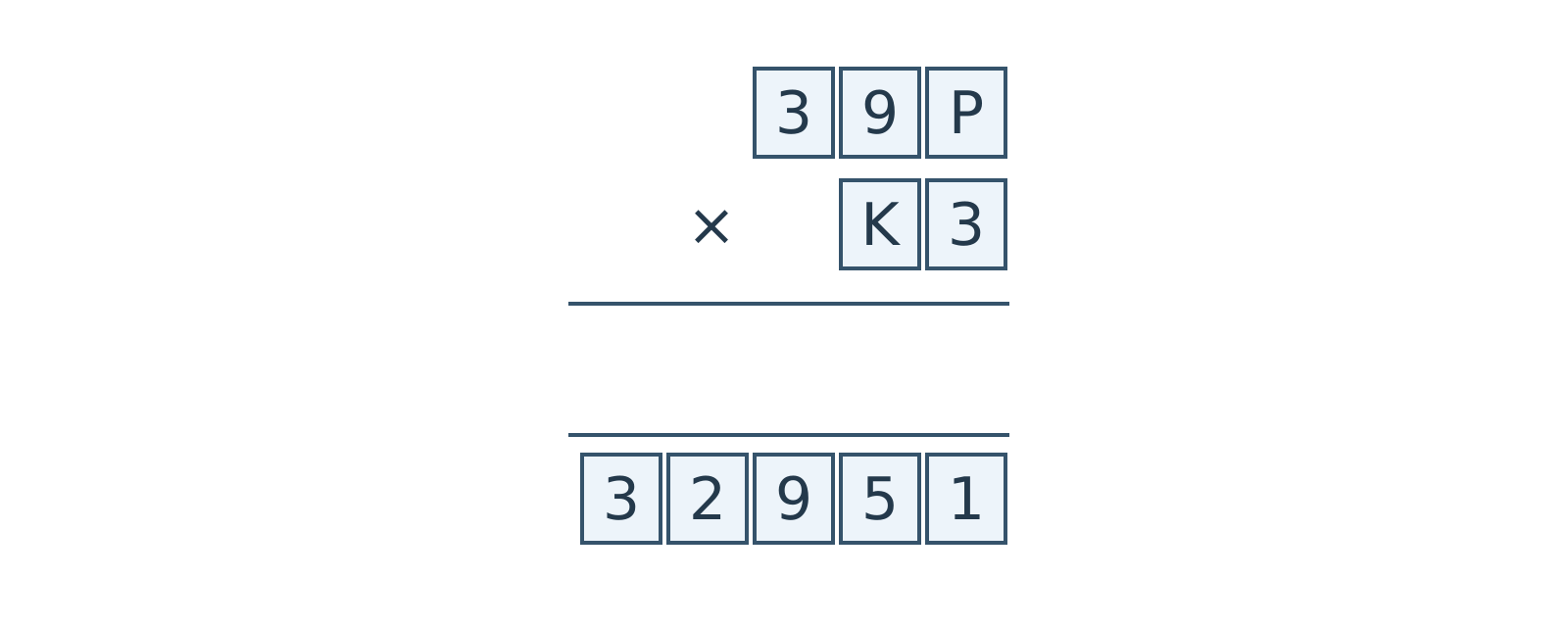
Different letters $P$ and $K$ stand for different digits in the multiplication shown: $39P\times K3=32951$. Find $P+K$.

Question illustration

Question 12

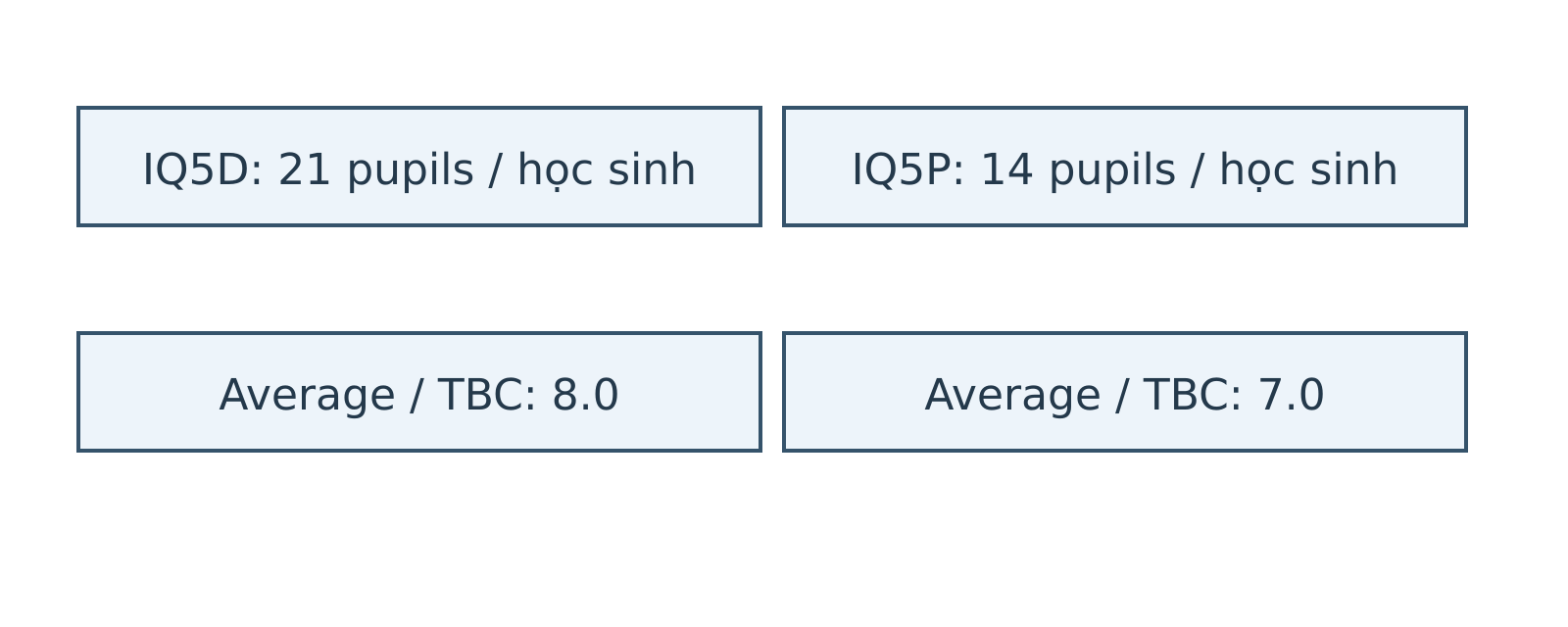
At Titan, class IQ5D has 21 students and class IQ5P has 14. On a test, their class averages are 8.0 and 7.0 points, respectively. What is the average score of all students in the two classes together?

Question illustration

Question 13

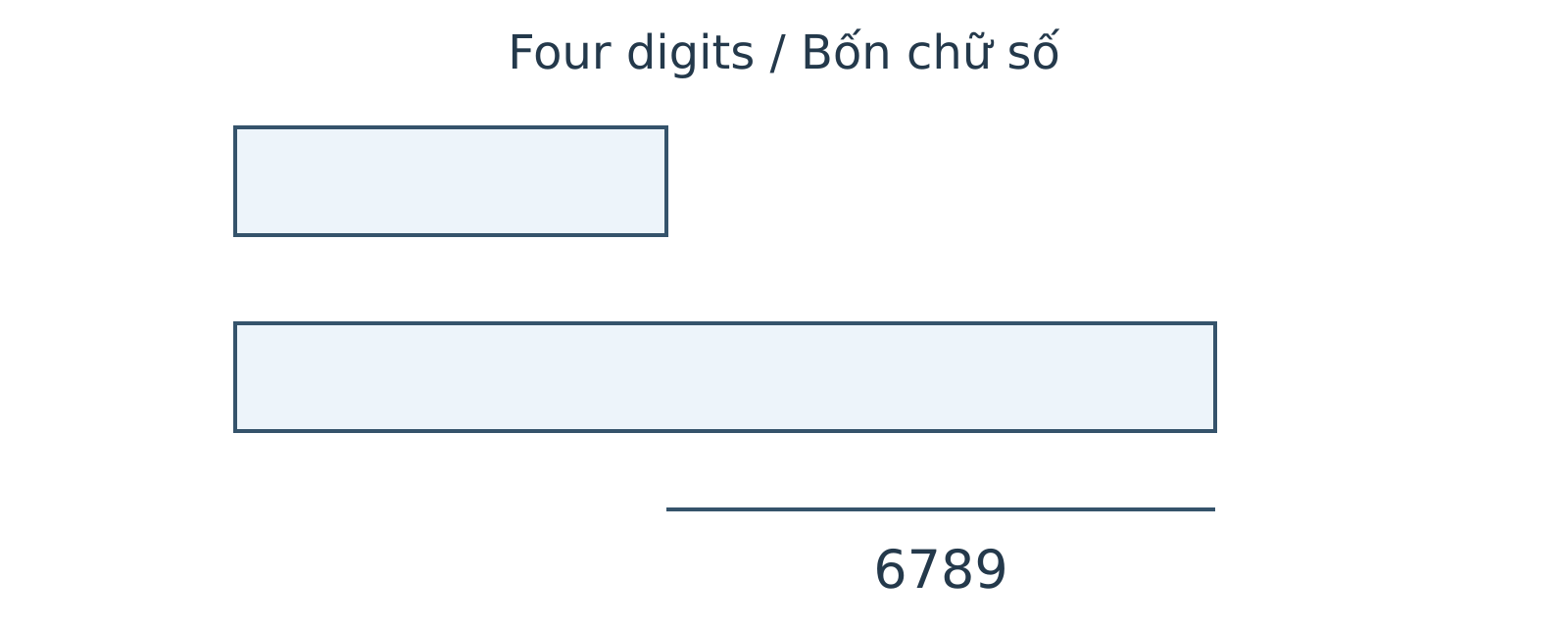
Two four-digit numbers differ by 6789. What is the greatest possible sum of the two numbers?

Question illustration