Skip to content / Đến nội dung
ThichHocToan.com

VTMO 2026 - Grade 3 - Final - SET 7 - Self-study

Question 1

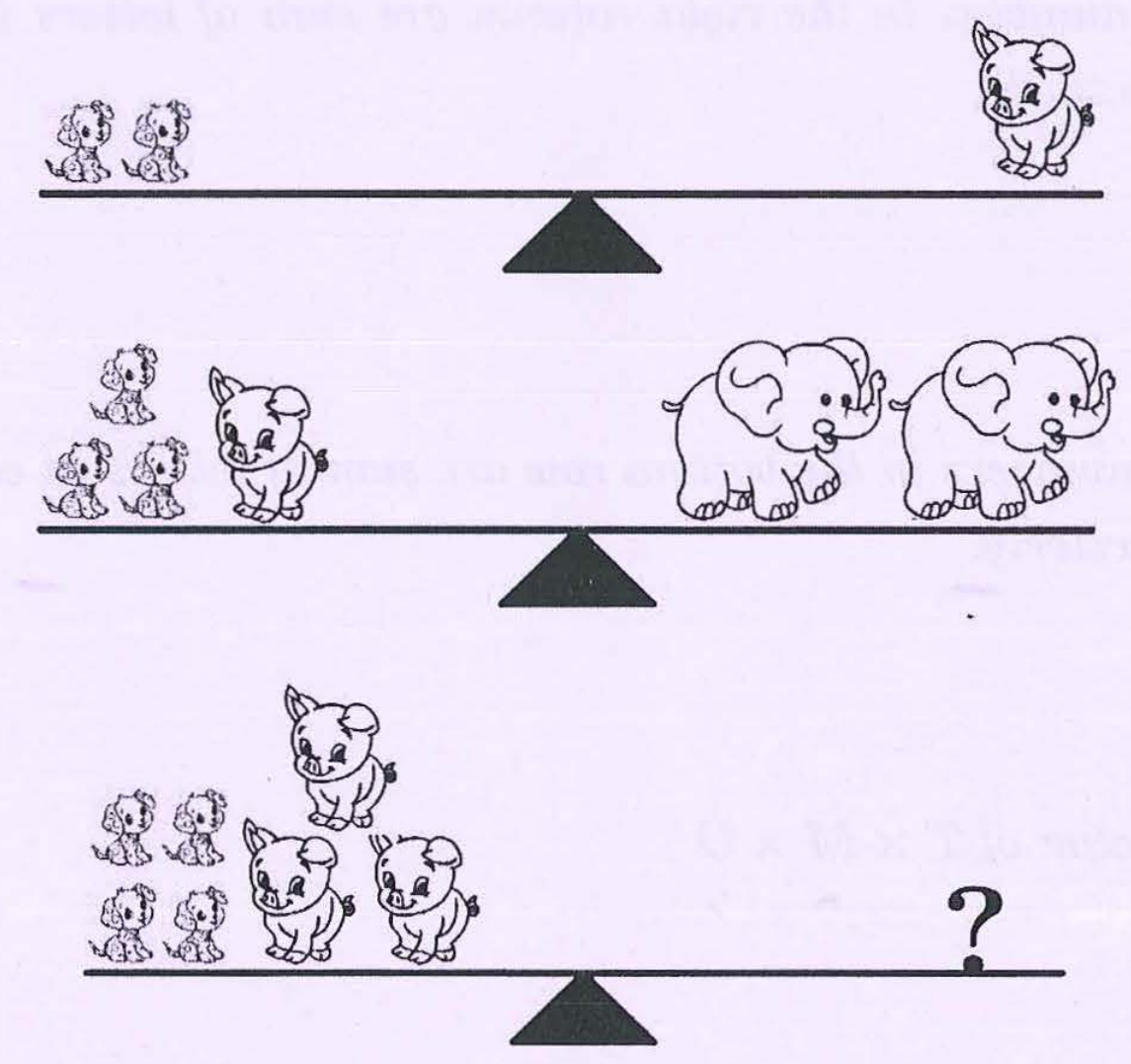
How many elephants are needed to balance the third scale? Animals of the same kind have equal weights.

Question illustration
  1. 1
  2. 2
  3. 3
  4. 4
  5. 5

Question 2

Hải chooses a number greater than 25 and less than 40. He adds 57, subtracts 37, then subtracts his original number. What is the final result?

Question illustration
  1. 15
  2. 20
  3. 45
  4. 60
  5. 94

Question 3

Five consecutive whole numbers have sum 100. What is the largest of the five numbers?

Question illustration
  1. 18
  2. 20
  3. 21
  4. 22
  5. 90

Question 4

Pi writes three odd whole numbers less than 20, multiplies them, then adds 5. Which result below could Pi obtain?

Question illustration
  1. 231
  2. 235
  3. 1006
  4. 8100
  5. 13012

Question 5

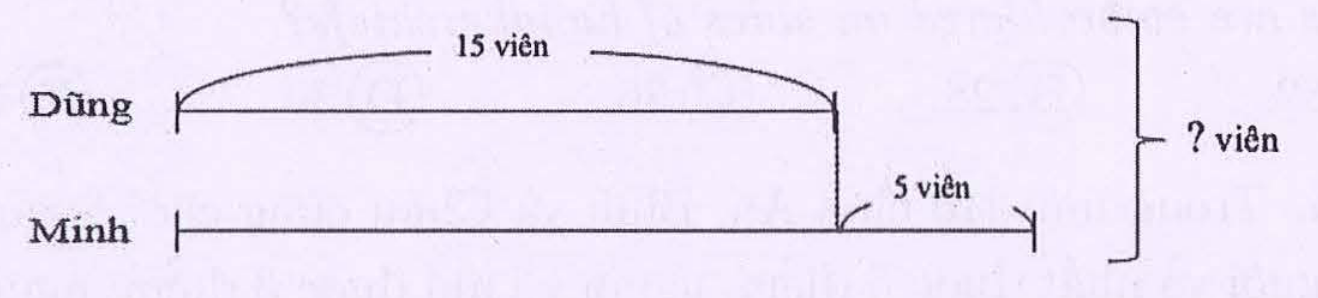
Dũng and Minh’s numbers of candies are shown in the diagram. How many candies do they have altogether? In the diagram, “viên” means candies.

Question illustration
  1. 20
  2. 25
  3. 40
  4. 35
  5. 45

Question 6

Find X and Y in the sequence $6,0,13,12,20,24,27,36,X,Y,41,60$.

Question illustration
  1. 34, 46
  2. 36, 48
  3. 34, 52
  4. 34, 48
  5. 30, 50

Question 7

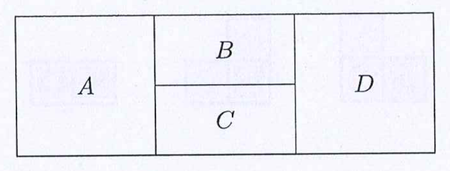
Châu colours the four regions using blue, red and yellow. Regions sharing an edge must have different colours. How many colourings are possible?

Question illustration
  1. 6
  2. 3
  3. 2
  4. 4
  5. 12

Question 8

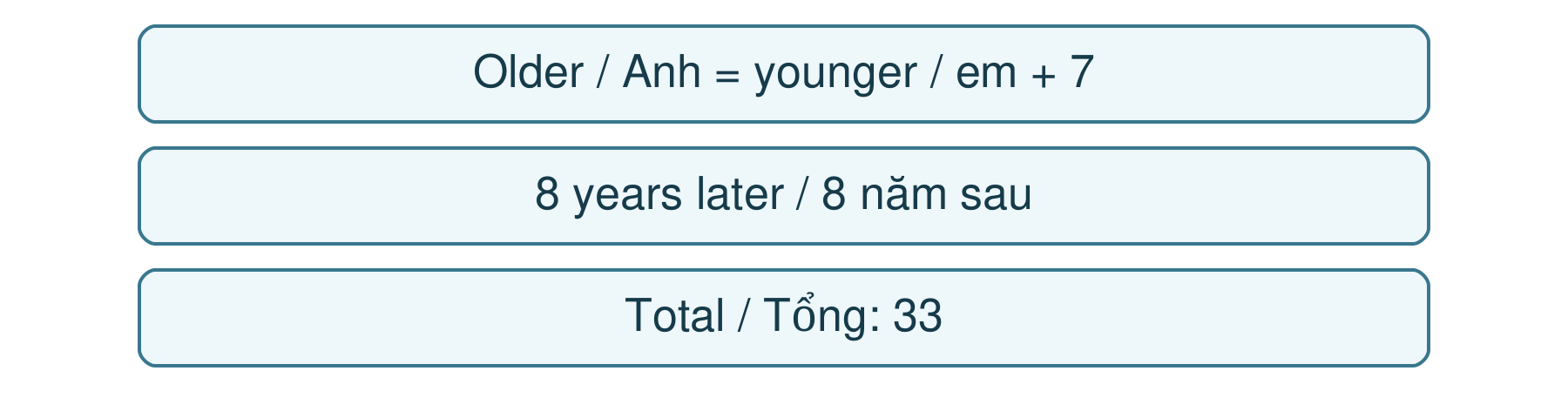
An older brother is 7 years older than his younger brother. In 8 years, their ages will total 33. How old is the younger brother now?

Question illustration
  1. 5
  2. 7
  3. 10
  4. 13
  5. 15

Question 9

Tom writes the whole numbers 1 through 25. Jerry pairs some of them so that, in each pair, one number is divisible by the other. For example, (1, 7) and (5, 15) are allowed. Each number may be used at most once. What is the smallest possible number left unpaired?

Question illustration
  1. 1
  2. 2
  3. 3
  4. 4
  5. 5

Question 10

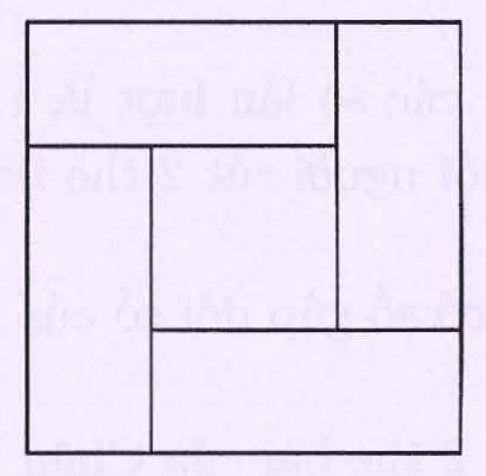
The large square is made from four identical rectangles and a small square of side 6 cm, as shown. The large square has side 14 cm. Find the length of each rectangle, in centimetres, and explain your reasoning.

Question illustration

Question 11

The three-digit numbers 226 and 138 each have digit product 24. How many three-digit numbers have digit product 24, including 226 and 138?

Question illustration

Question 12

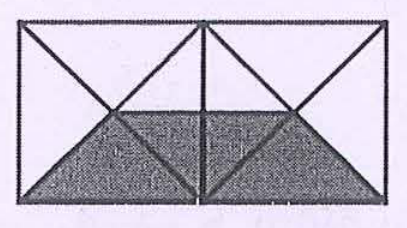
The diagram is made from two squares, each with side 10 cm. Find the difference between the unshaded area and the shaded area, in square centimetres.

Question illustration

Question 13

Hùng and Sơn start a marble game with equal numbers of marbles. At the end, Sơn has 10 more marbles than Hùng. How many marbles did Hùng lose?

Question illustration

Question 14

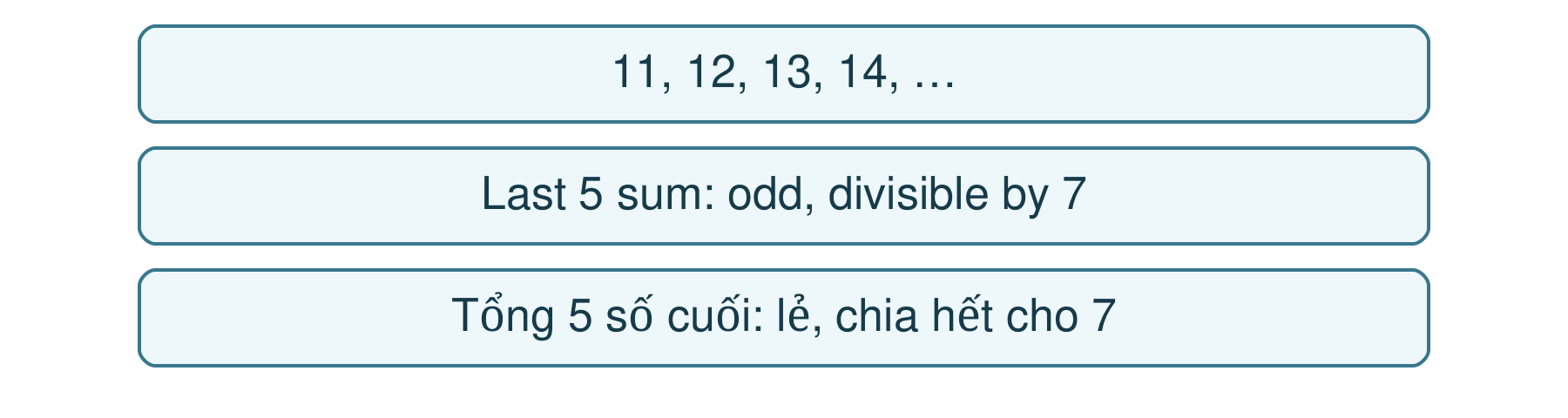
Hạnh writes consecutive whole numbers 11, 12, 13, 14, … and stops as soon as the sum of the last five written numbers is odd and divisible by 7. What is the last number she writes?

Question illustration

Question 15

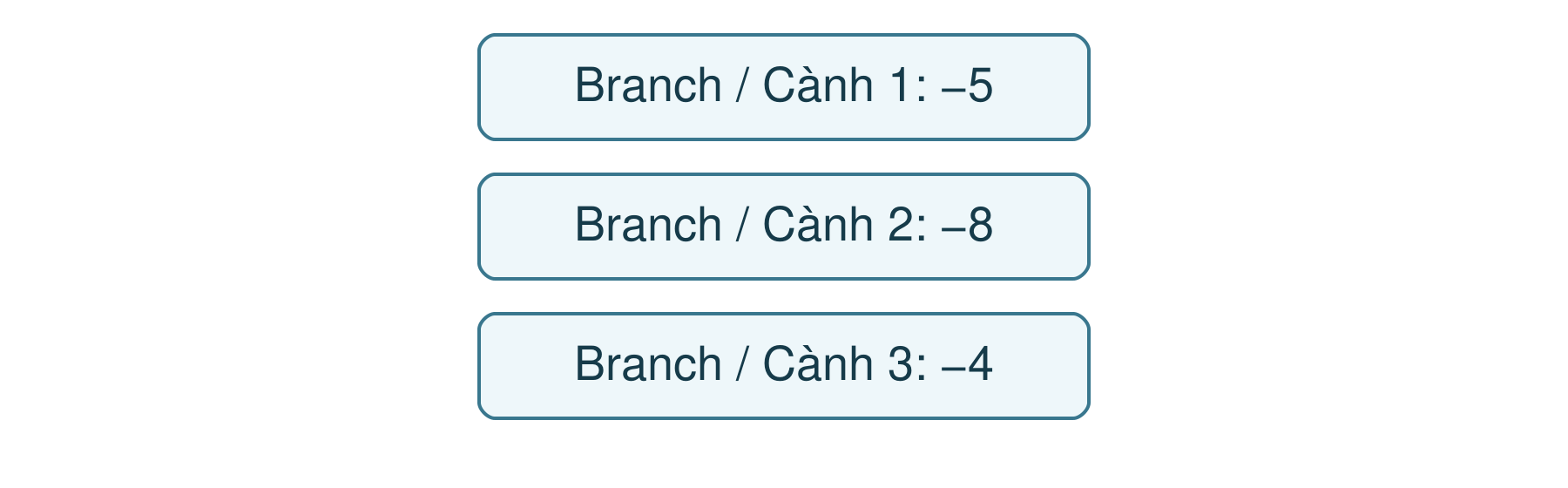
Some birds sit on three branches. Then 5 birds leave the first branch, 8 leave the second and 4 leave the third. The numbers remaining on the three branches are equal. Which branch originally had the most birds?

Question illustration

Question 16

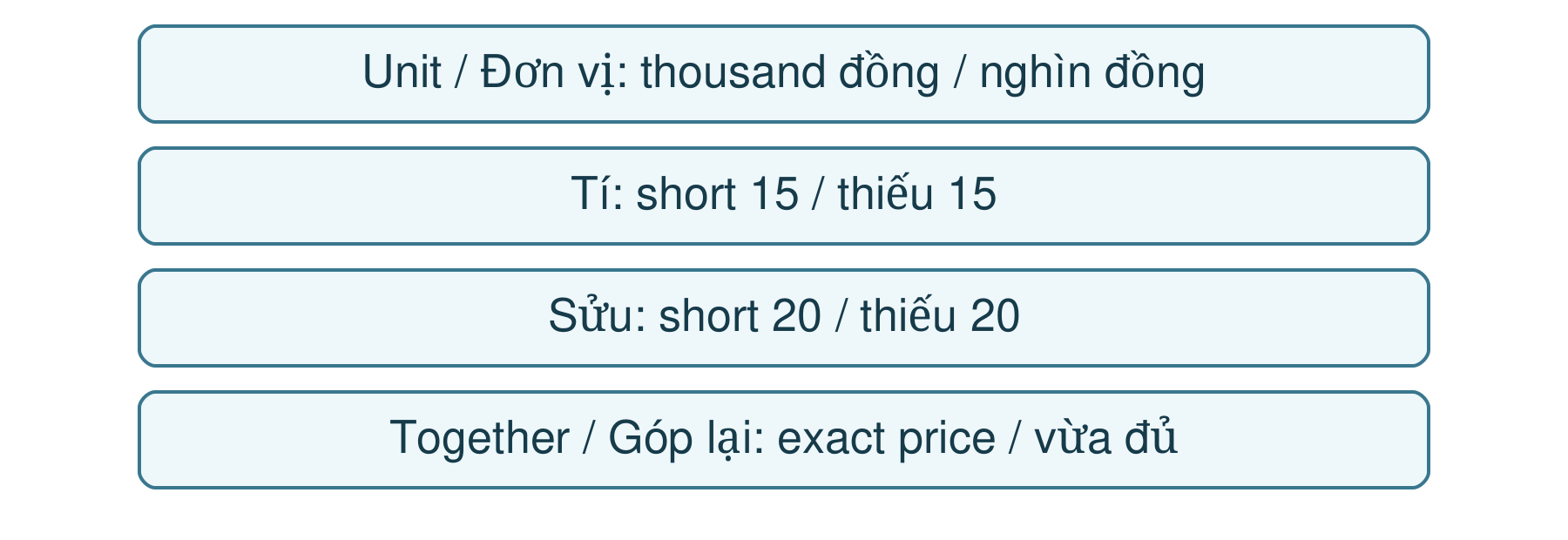
Tí wants to buy a book but is 15000 đồng short. Sửu wants the same book but is 20000 đồng short. Their combined money is exactly enough for one book. What is the book’s price, in thousands of đồng?

Question illustration

Question 17

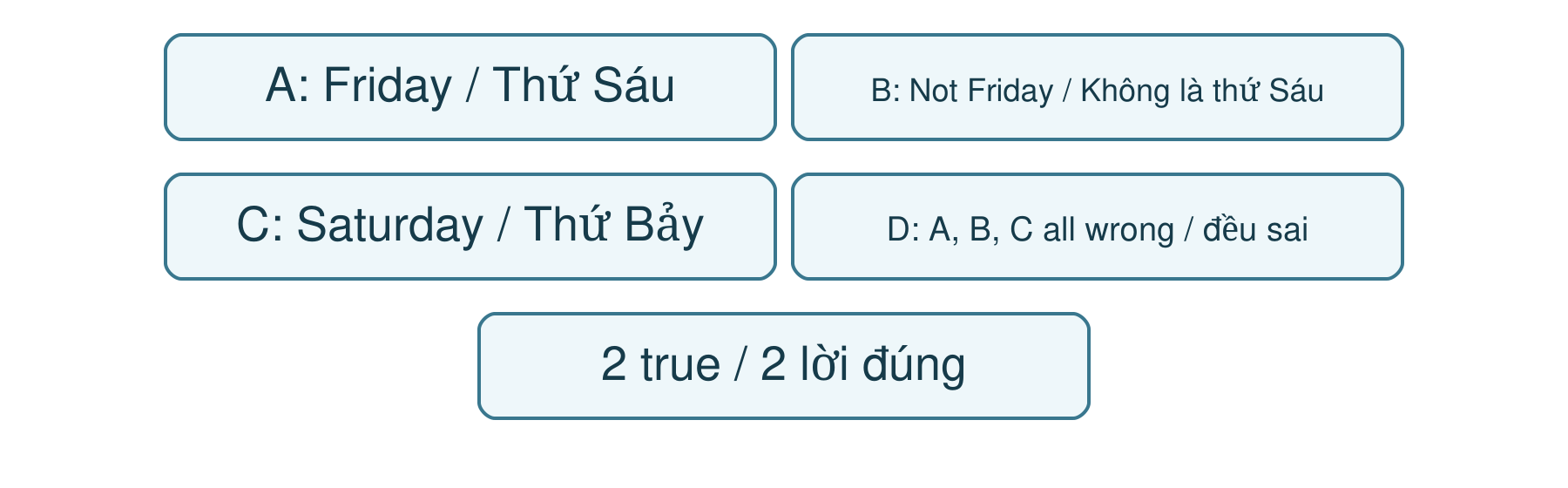
Four pupils discuss what day it is. A says, “Today is Friday.” B says, “Today is not Friday.” C says, “Today is Saturday.” D says, “A, B and C are all wrong.” Exactly two pupils tell the truth. What day is tomorrow?

Question illustration

Question 18

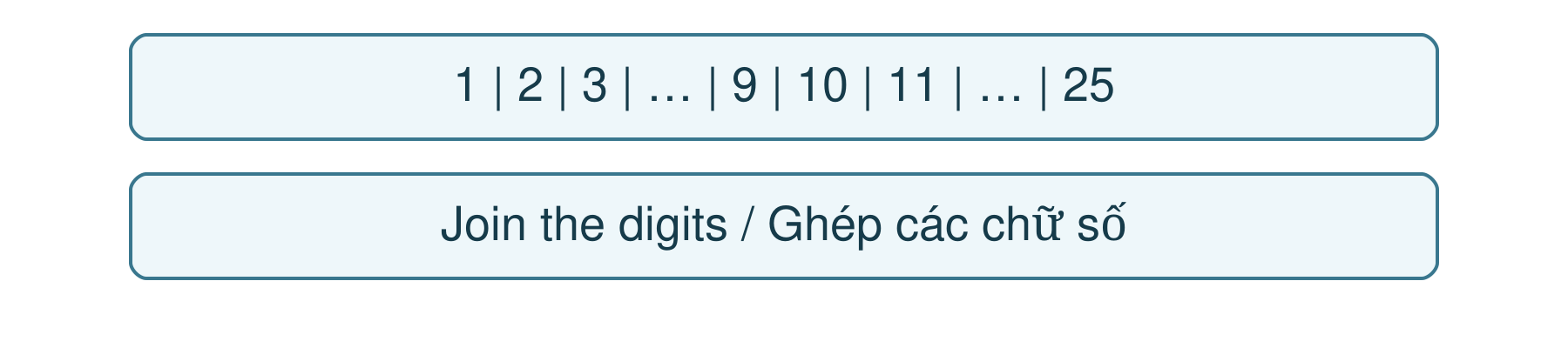
Thanh writes the numbers 1 to 25 next to one another to form $1234567891011121314\ldots232425$. What is the digit in the very middle?

Question illustration

Question 19

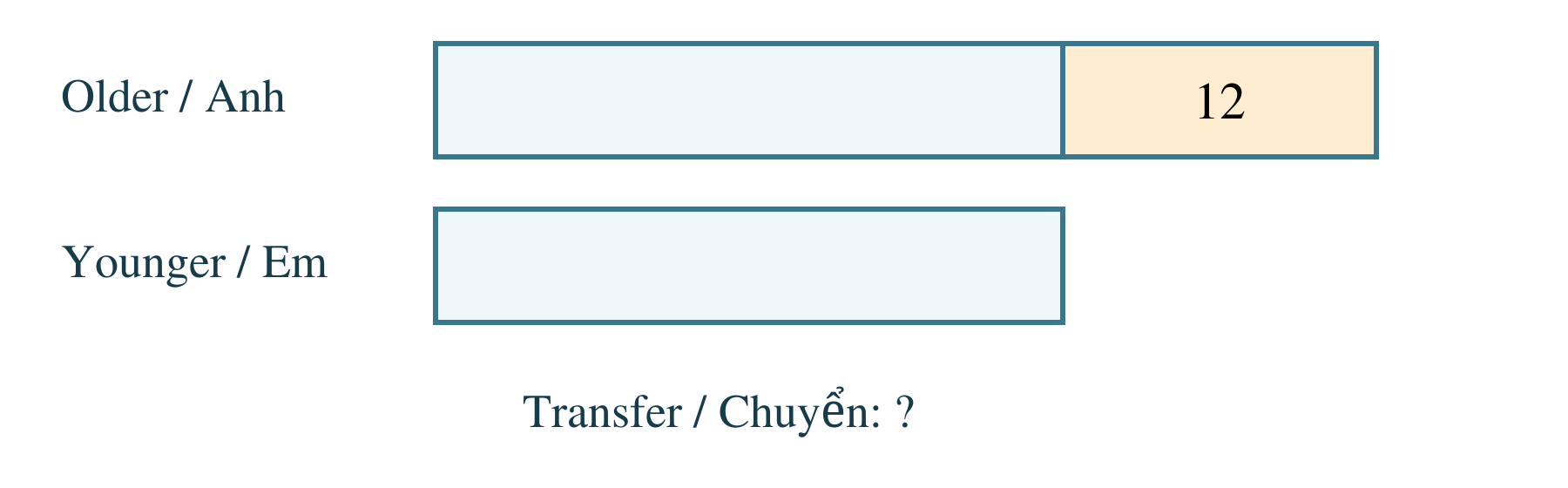
Two brothers pick plums. The older brother picks 12 more plums than the younger. How many plums must he give his brother so that they have equal numbers?

Question illustration

Question 20

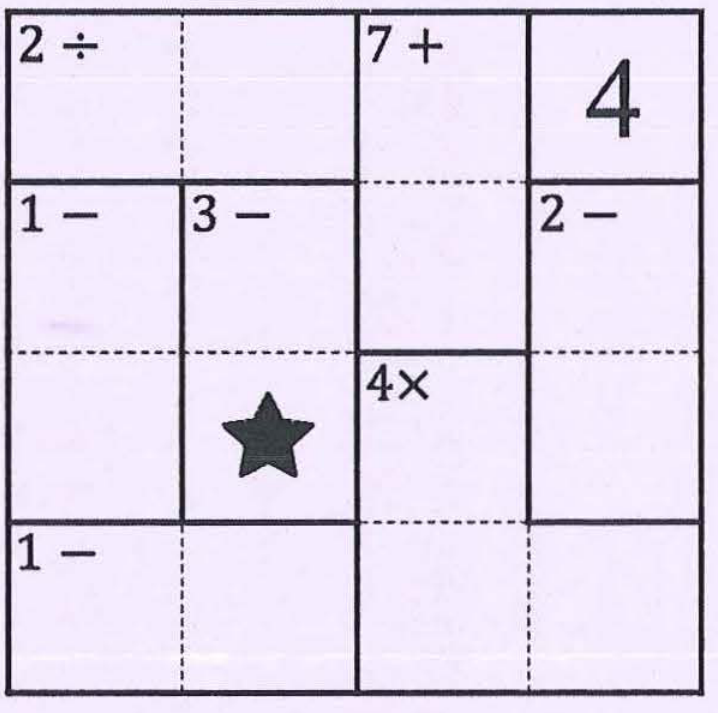
KenKen is a number puzzle. Fill this $4×4$ grid with 1, 2, 3 and 4 so that each row and each column contains each number once. Thick lines divide it into cages. Each cage label gives an operation and its result. For example, $7+$ means the cage numbers sum to 7; $2-$ means the difference between its two numbers is 2; $2÷$ means the larger divided by the smaller is 2; and $4×$ means the product is 4. What number belongs in the starred cell?

Question illustration