Skip to content / Đến nội dung
ThichHocToan.com

VTMO 2026 - Grade 2 - Semifinal - SET 9 - Self-study

Question 1

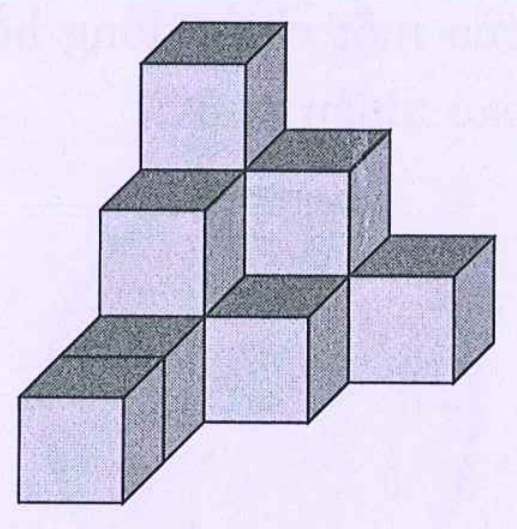
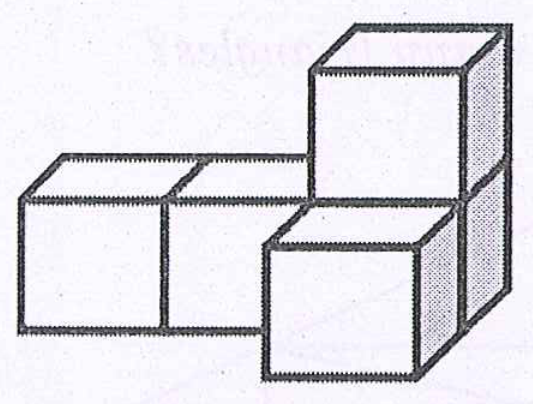
How many small cubes form the construction, including hidden cubes?

Question illustration
  1. 7
  2. 8
  3. 9
  4. 10
  5. 11

Question 2

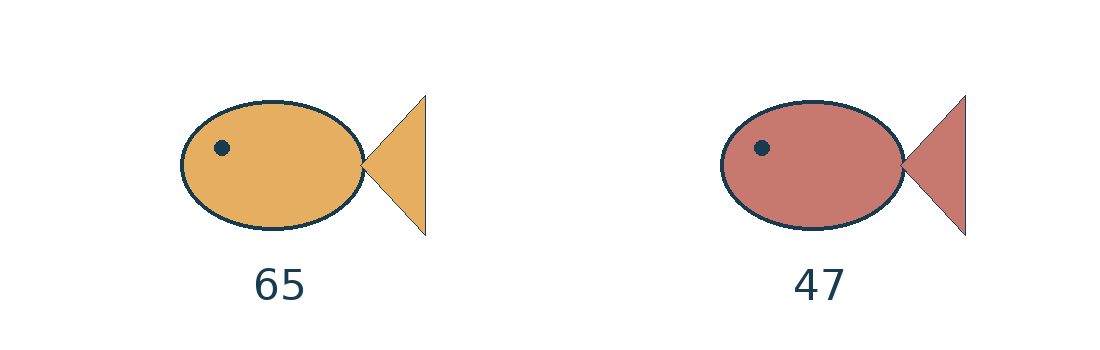
A shop has 65 yellow fish and 47 red fish. It sells equal numbers of yellow and red fish. Afterwards, there are seven times as many yellow fish as red fish. How many fish remain altogether?

Question illustration
  1. 21
  2. 26
  3. 44
  4. 24
  5. 112

Question 3

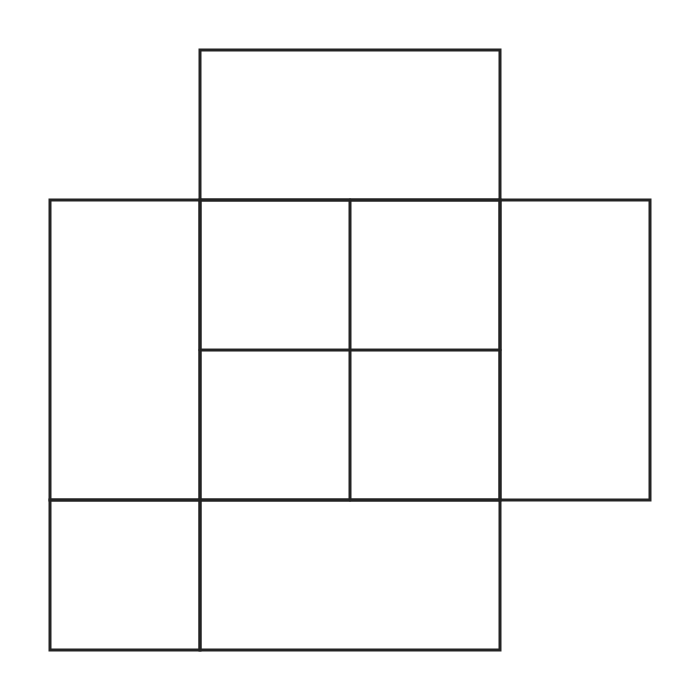
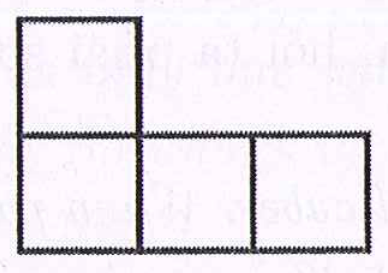
How many squares are in the figure?

Question illustration
  1. 4
  2. 5
  3. 6
  4. 11
  5. 12

Question 4

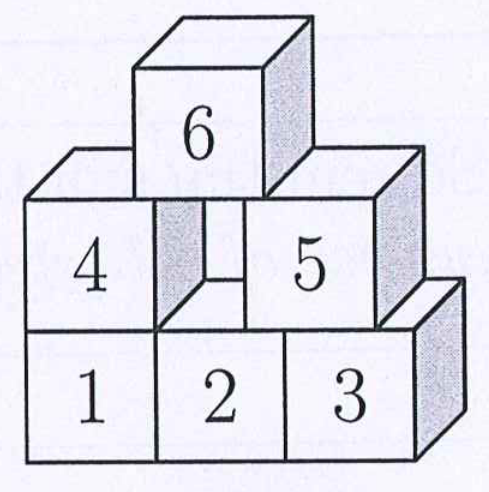
Hoa places the numbered cubes one at a time to build the figure. Which order is impossible?

Question illustration
  1. 2→1→4→3→5→6
  2. 1→4→2→3→5→6
  3. 3→2→1→4→5→6
  4. 1→2→5→3→4→6
  5. 3→2→1→5→4→6

Question 5

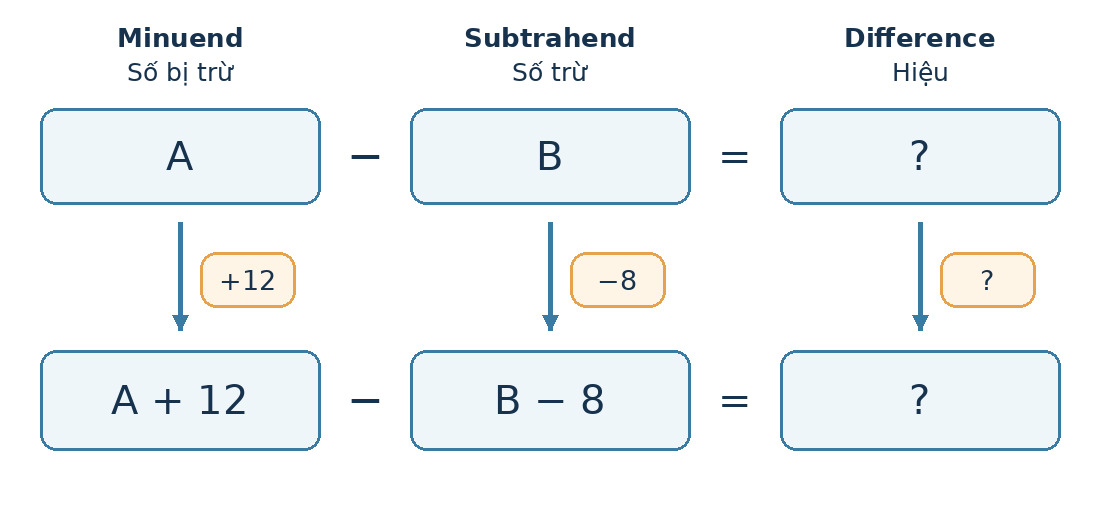
In a subtraction, the starting number is increased by 12 and the number being subtracted is decreased by 8. How does the difference change?

Question illustration
  1. Increases by 20
  2. Increases by 4
  3. Increases by 12
  4. Decreases by 4
  5. Decreases by 20

Question 6

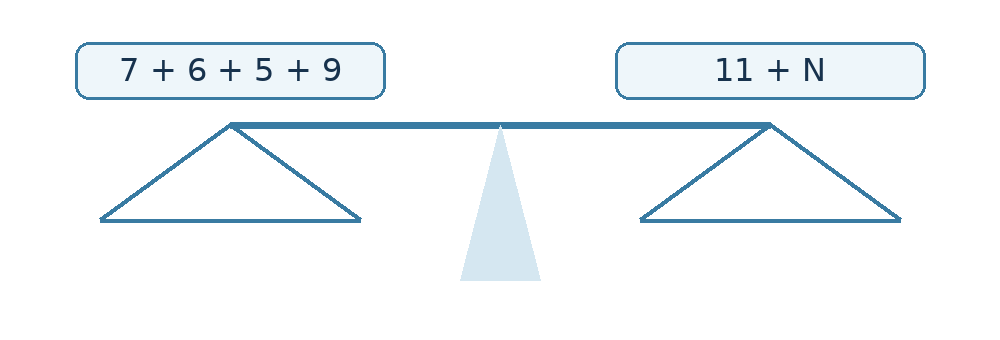
What is the value of $N$?

$7+6+5+9=11+N$.

Question illustration
  1. 7
  2. 9
  3. 13
  4. 15
  5. 16

Question 7

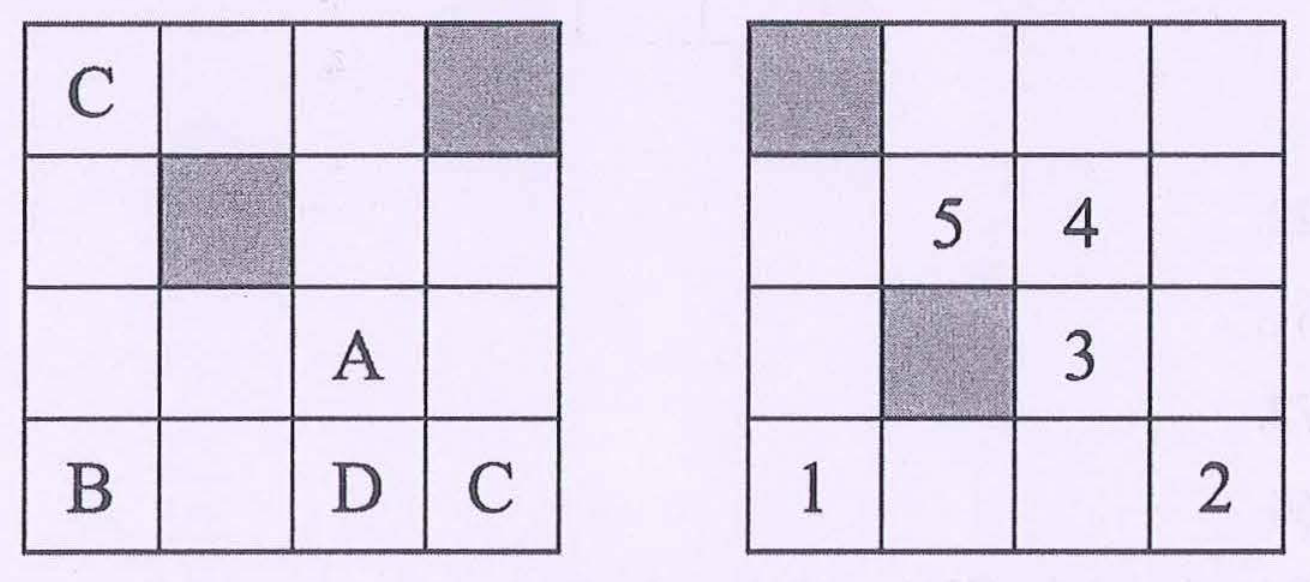
Two transparent 4×4 cards are shown. Nhật Lâm places one over the other so that the shaded squares match exactly. Which number coincides with A?

Question illustration
  1. 1
  2. 2
  3. 3
  4. 4
  5. 5

Question 8

What does this block construction look like when viewed directly from the right?

Question illustration
  1. Question illustration
  2. Question illustration
  3. Question illustration
  4. Question illustration
  5. Question illustration

Question 9

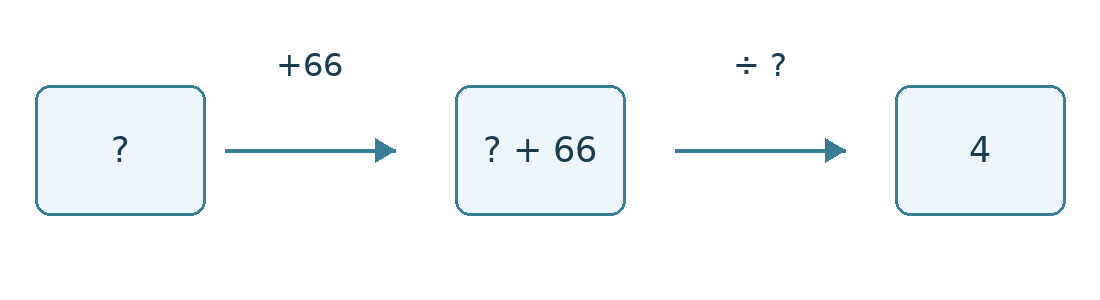
Việt thinks of a number and adds 66 to it. He divides the total by his original number and gets 4. What number did Việt think of?

Question illustration
  1. 13
  2. 14
  3. 15
  4. 22
  5. 33

Question 10

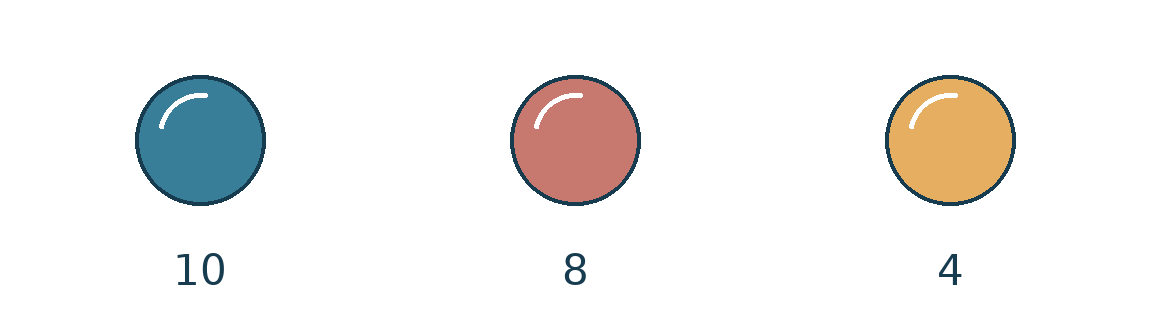
An has 10 blue, 8 red and 4 yellow marbles. He gives Bình 5 marbles including all three colors. He gives Châu 5 marbles with exactly one red marble. What is the fewest blue marbles An can have left?

Question illustration
  1. 1
  2. 3
  3. 4
  4. 5
  5. 9

Question 11

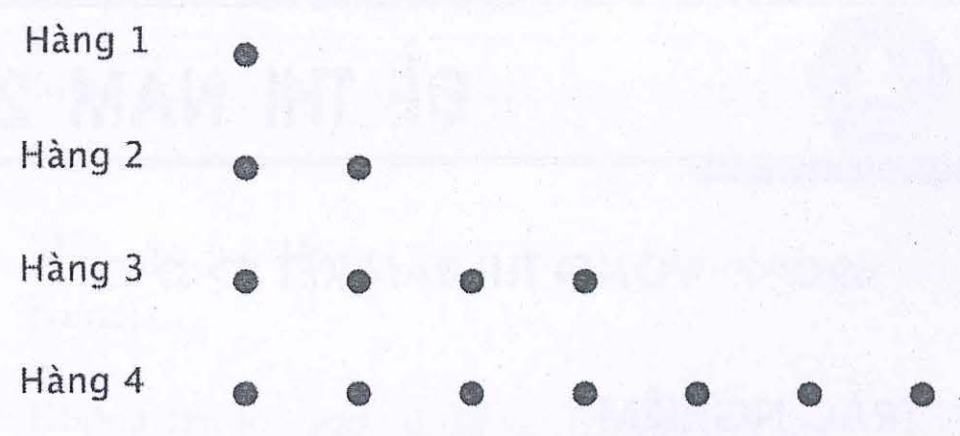
Look at the dot pattern. How many dots are in row 8?

Question illustration
  1. 15
  2. 22
  3. 25
  4. 29
  5. 31

Question 12

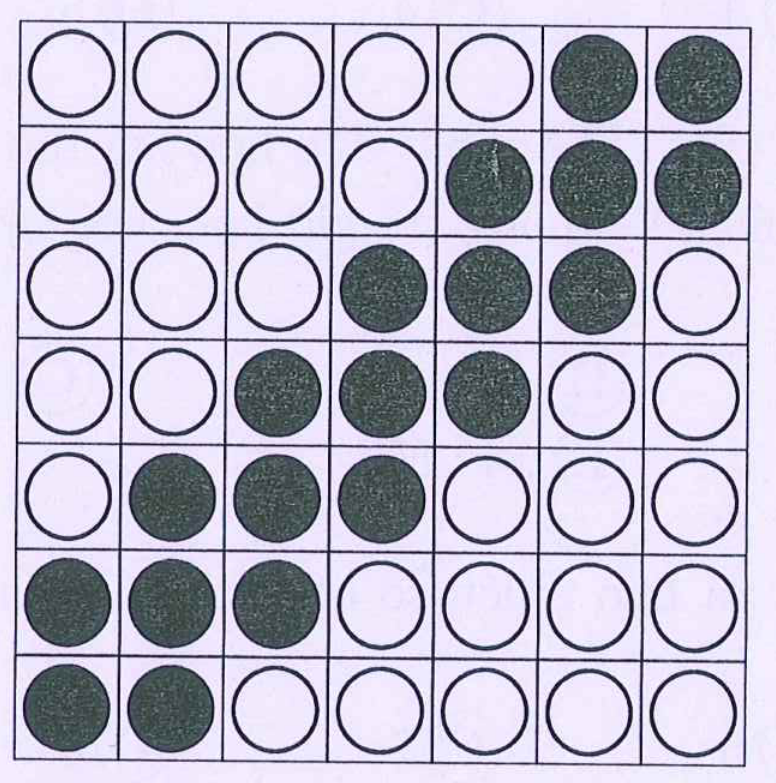
Nam shades the circles on three slanting diagonals in a 7×7 grid, as shown. Việt uses the same pattern on a 9×9 grid. How many more unshaded circles than shaded circles are in Việt’s grid?

Question illustration
  1. 11
  2. 19
  3. 31
  4. 56
  5. 81

Question 13

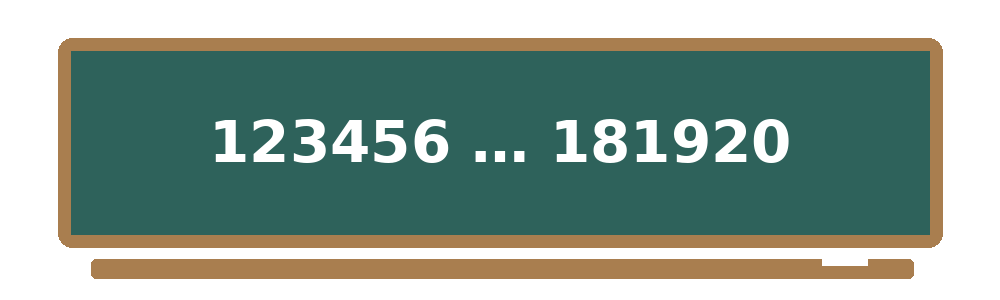
Tí writes all the numbers from 1 to 20 in order. How many digits does he write?

Question illustration
  1. 20
  2. 22
  3. 29
  4. 30
  5. 31

Question 14

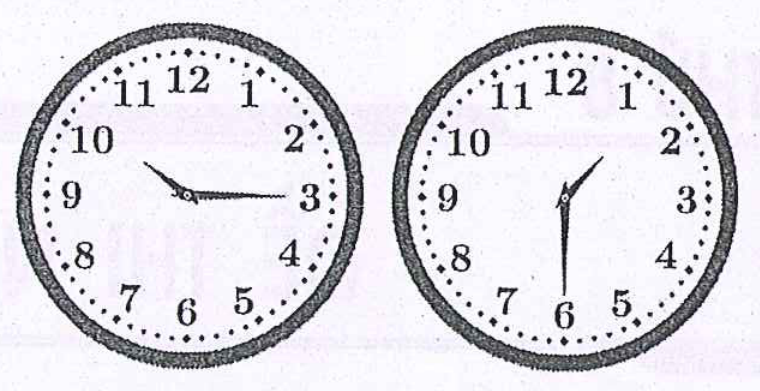
Hải’s class takes a break from 10:15 a.m. to 1:30 p.m. How long is the break?

Question illustration
  1. 3 hours 20 minutes
  2. 3 hours 15 minutes
  3. 2 hours 20 minutes
  4. 4 hours 15 minutes
  5. 3 hours 5 minutes

Question 15

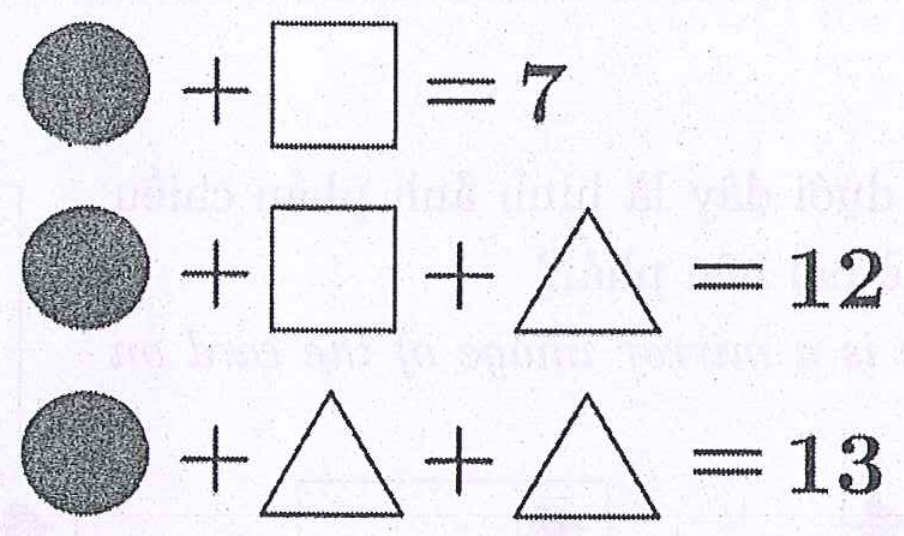
The same shape always represents the same number. Use the equations to find the number represented by the shaded circle.

Question illustration
  1. 2
  2. 3
  3. 4
  4. 5
  5. 6

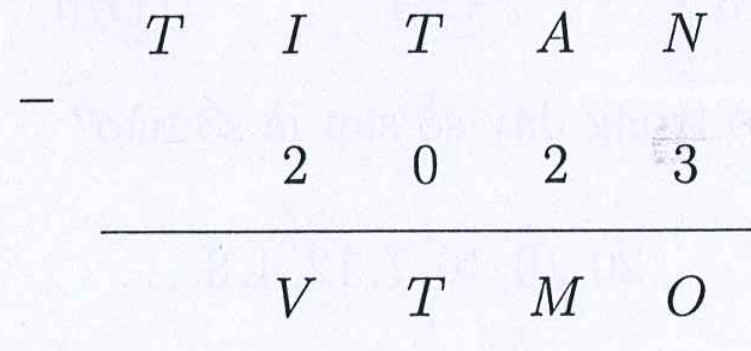
Question 16

Different letters represent different digits in the subtraction shown. T and V are not 0. What is the greatest possible four-digit number $\overline{VTMO}$?

Question illustration

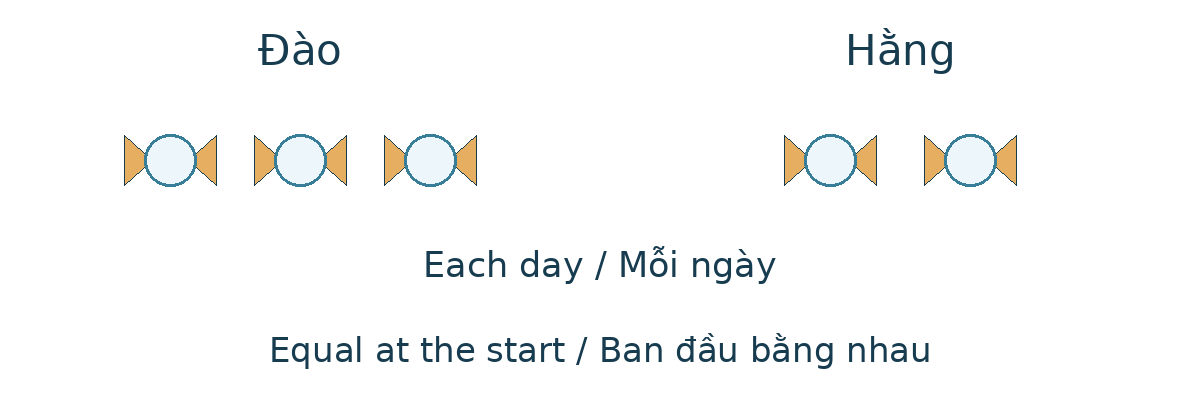
Question 17

Đào and Hằng start with the same number of candies. Every day, Đào eats 3 candies and Hằng eats 2 candies. After some days, Đào has 4 candies left and Hằng has 9 candies left. How many candies did each friend have at the start?

Question illustration

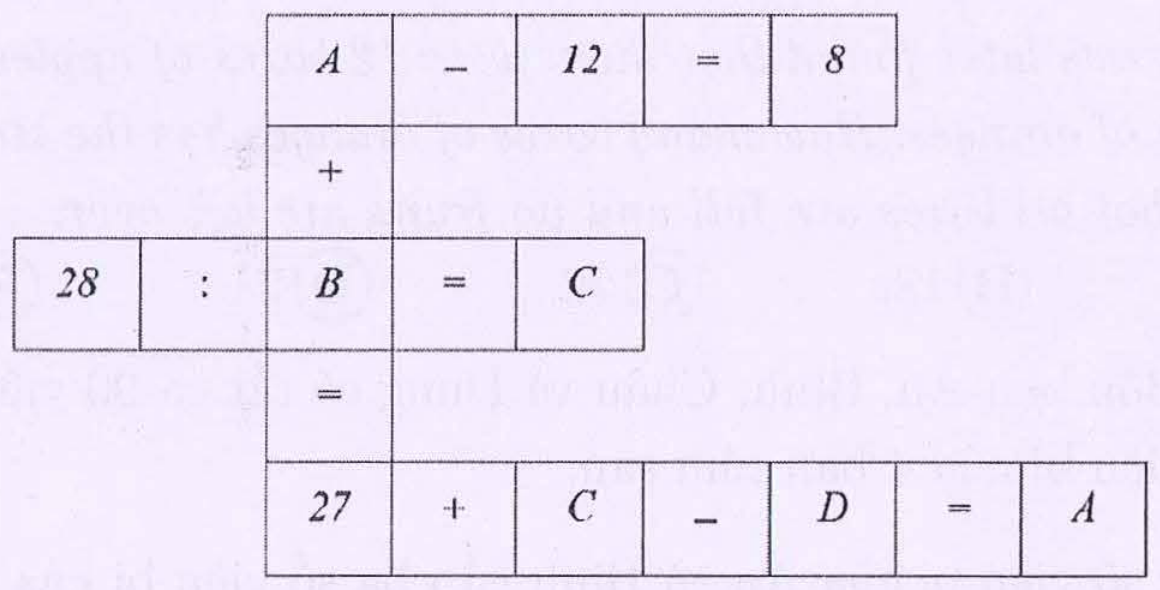
Question 18

In the diagram below, what is the value of D?

Question illustration

Question 19

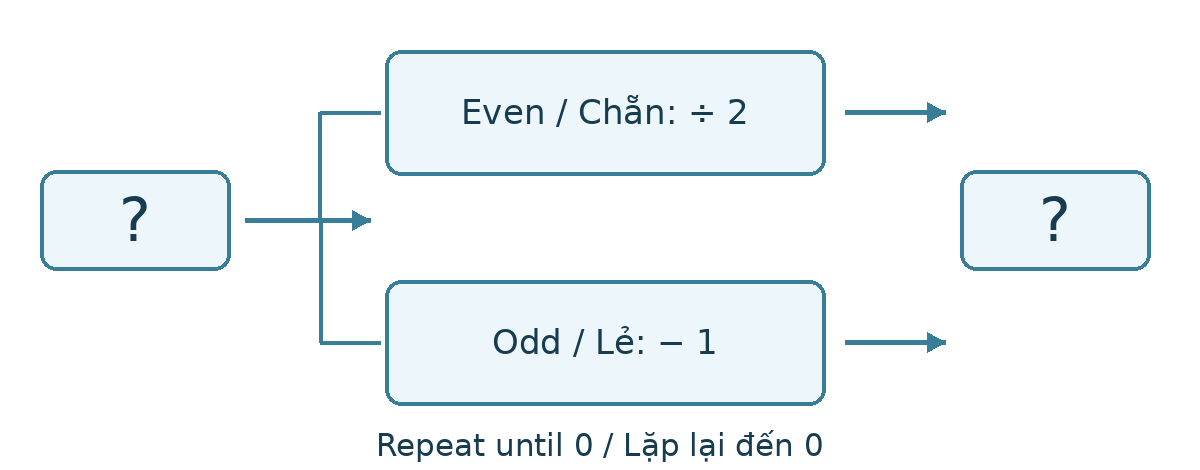
A machine processes a natural number as follows. If the number is even, it divides it by 2. If the number is odd, it subtracts 1. It repeats these steps until the result is 0, then stops. How many starting numbers reach 0 in exactly 6 steps?

For example, there are two starting numbers that take exactly 3 steps: 3 and 4.

$3→2→1→0$ (3 steps)

$4→2→1→0$ (3 steps)
Question illustration

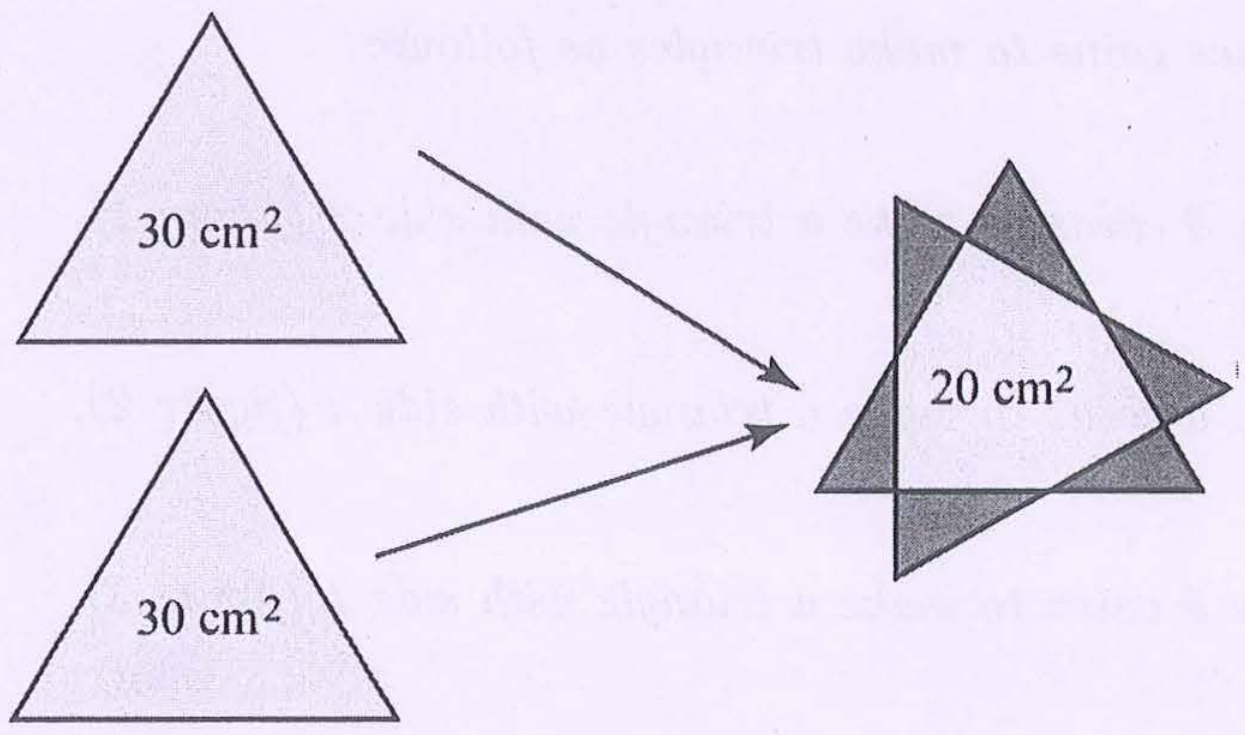
Question 20

Two triangles each have an area of 30 cm². They overlap to form the figure on the right. The unshaded middle region has an area of 20 cm². What is the total area of the shaded parts, in cm²?

Question illustration