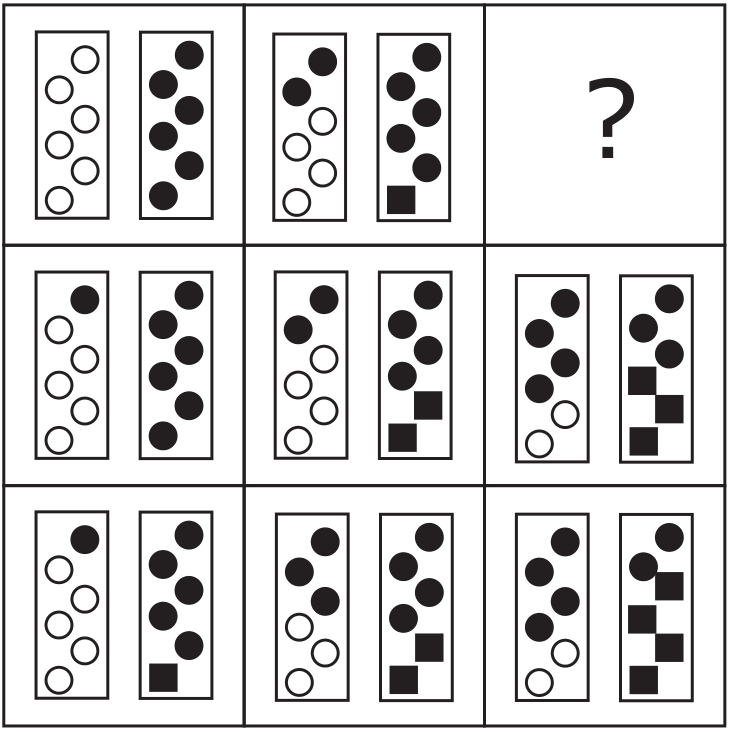
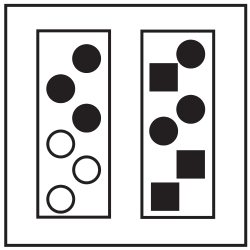
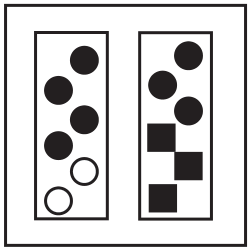
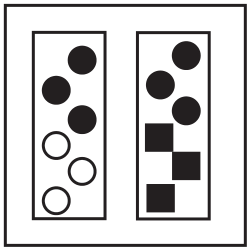
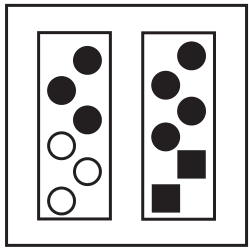
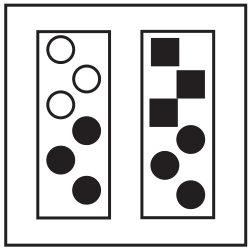
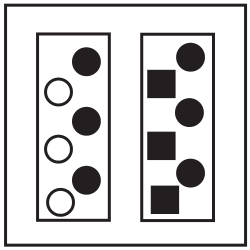
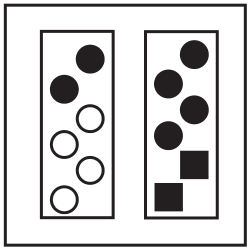
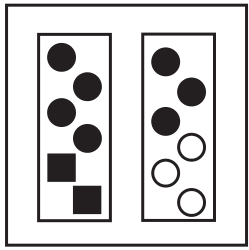
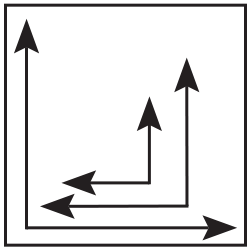
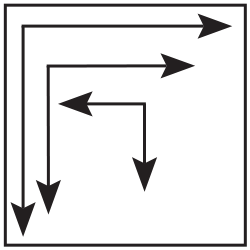
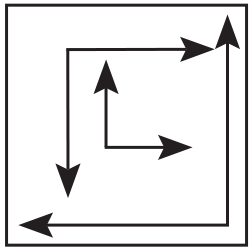
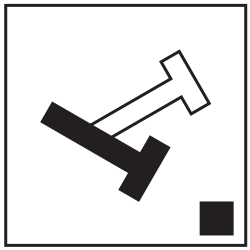
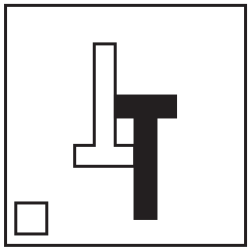
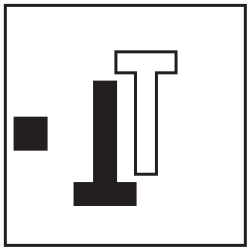
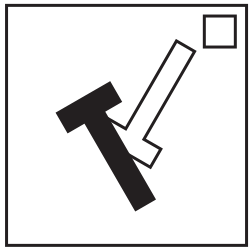
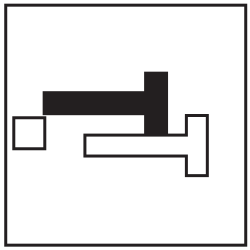
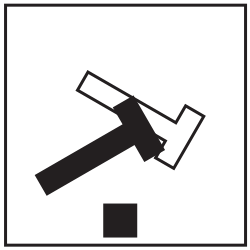
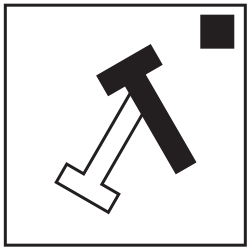
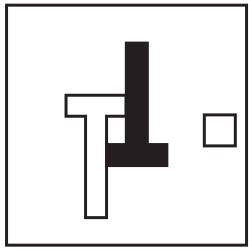
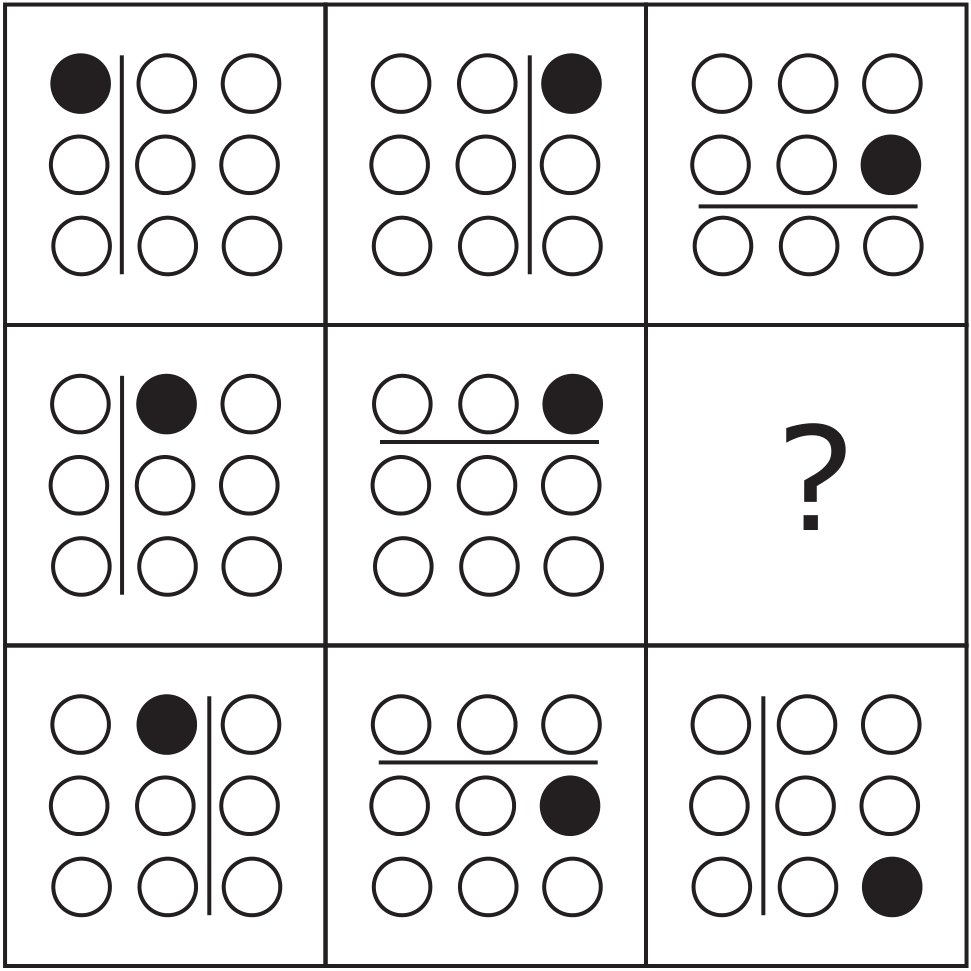
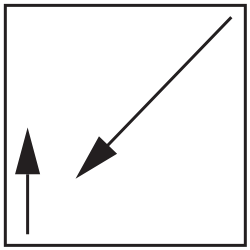
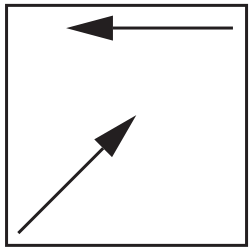
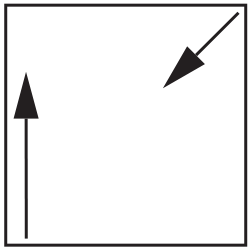
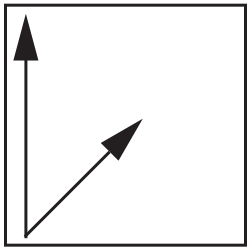
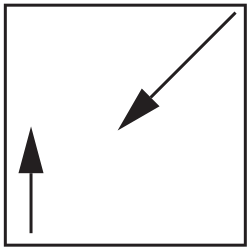
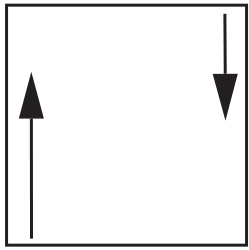
AI reconstruction: Choose the missing cell. Read down each column and then start the next. Alternate between changing one object in the left strip and changing one in the right strip.
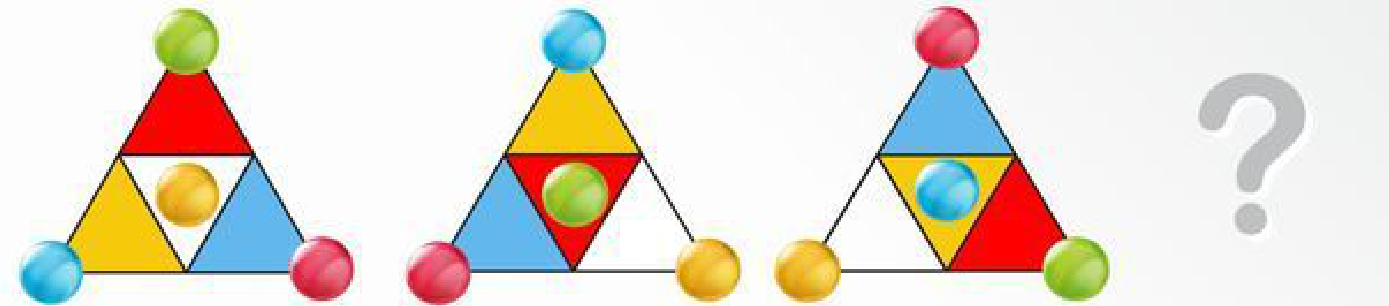
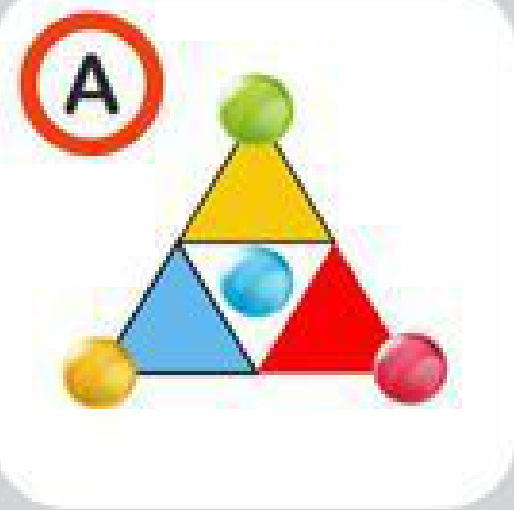
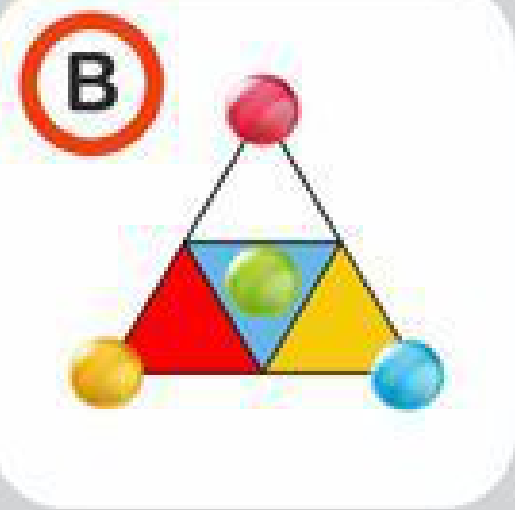
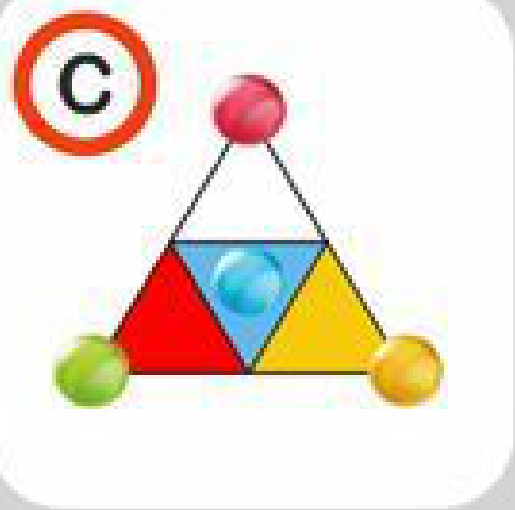
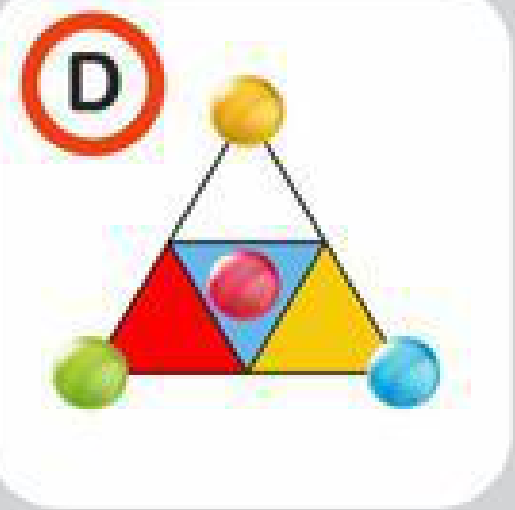
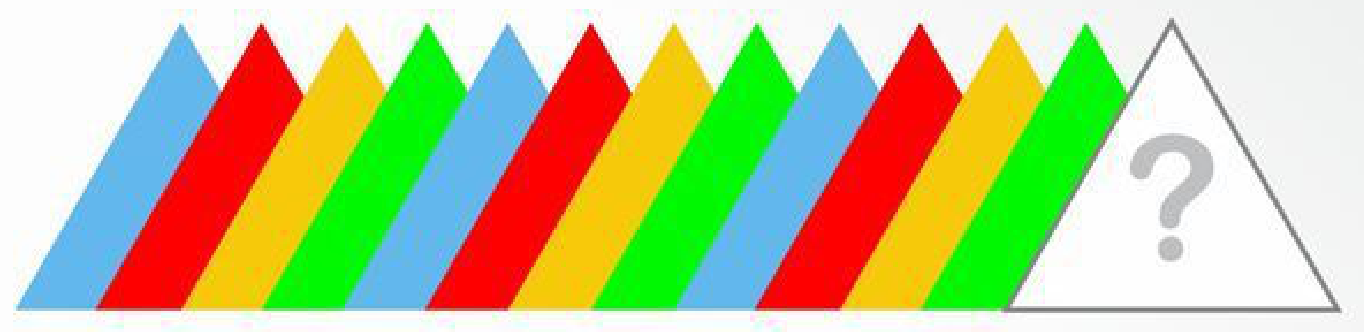
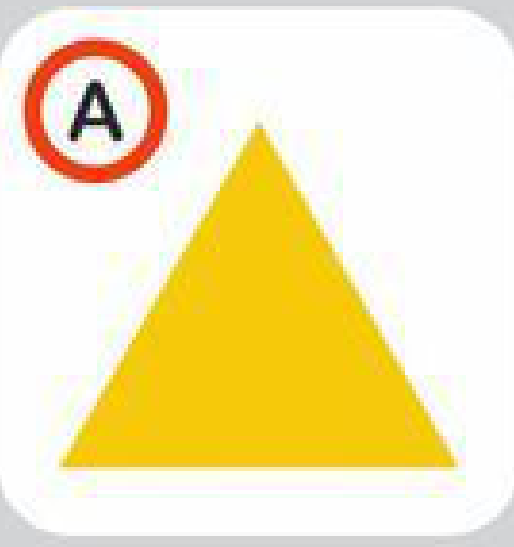
AI reconstruction. Use fixed positions. For the four balls, replace green→blue→red→yellow→green at every step. Independently, for the four triangular regions replace red→yellow→blue→white→red. Select the next diagram; do not rotate the whole triangle.
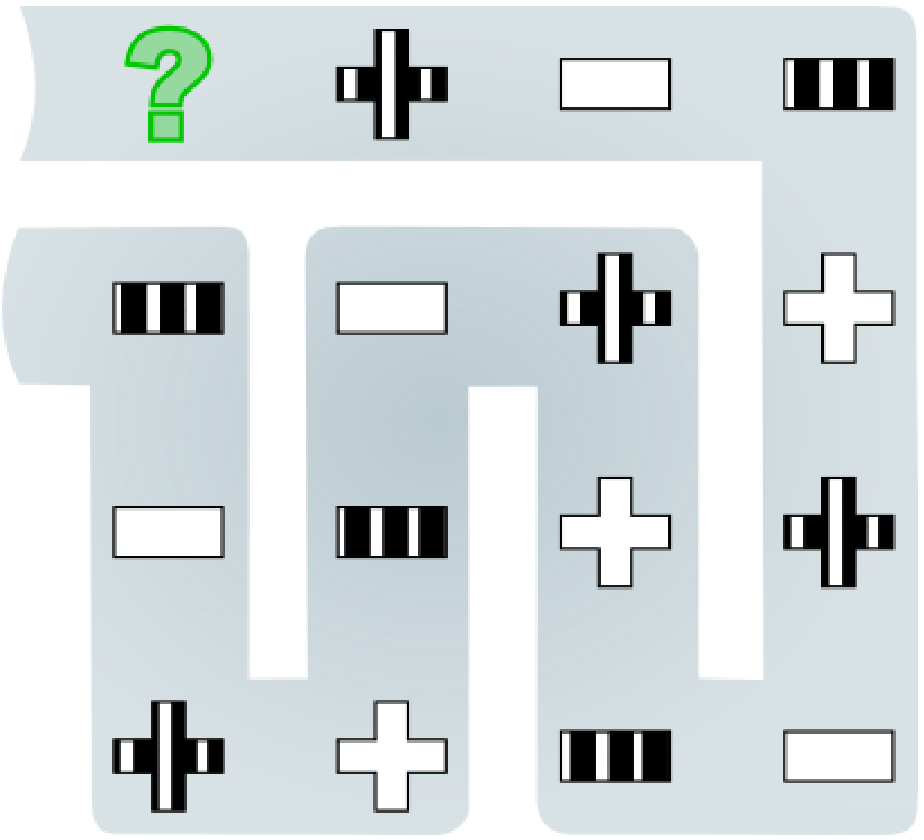
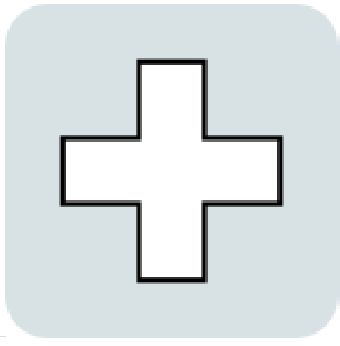
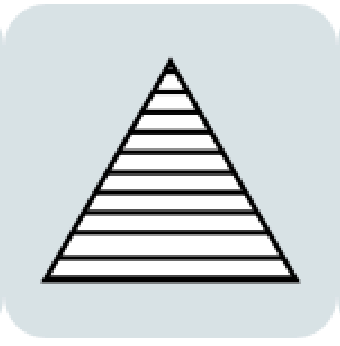
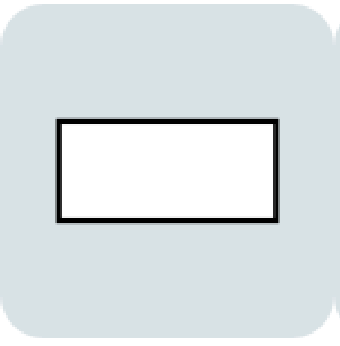
AI reconstruction: Added conditions. Start at the top-left question mark and follow the connected strip through every turn to its other end. Repeat this block: unfilled cross, vertically striped cross, unfilled rectangle, vertically striped rectangle. Fill the missing picture.
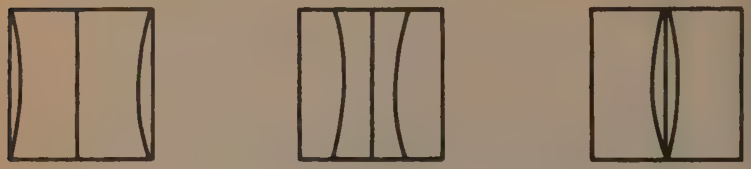
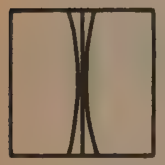
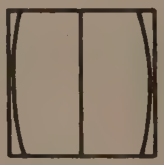
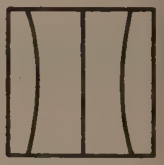
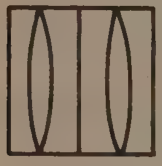
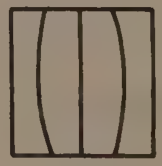
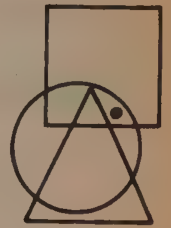
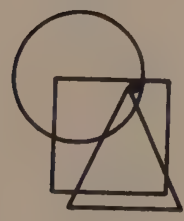
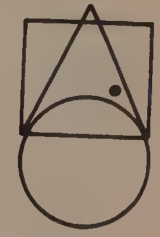
AI reconstruction (clarification): the two curved lines move horizontally in equal steps through one another. Preserve their shapes and their direction of travel; the square and the central straight line stay fixed.
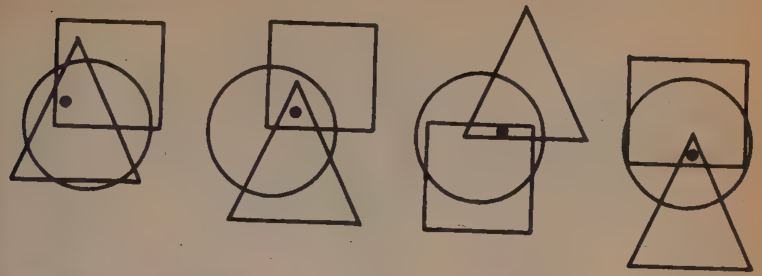
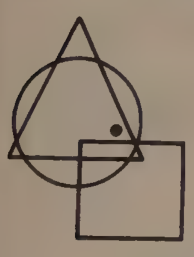
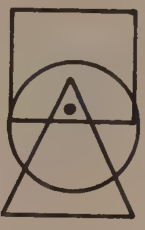
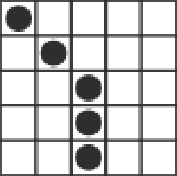
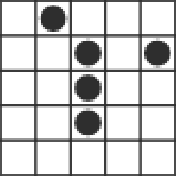
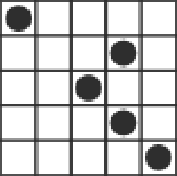
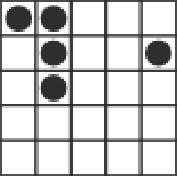
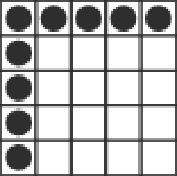
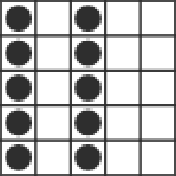
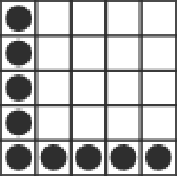
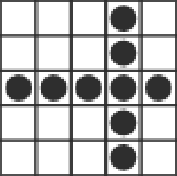
AI reconstruction: Added rule: Keep the top-left dot fixed. One dot moves right along row 2 by one cell per step. A three-dot ray starts at (row 3, column 2); its direction turns 45 degrees anticlockwise per step, using grid rows, columns and diagonals. Count overlapping dots once. Choose the next picture.
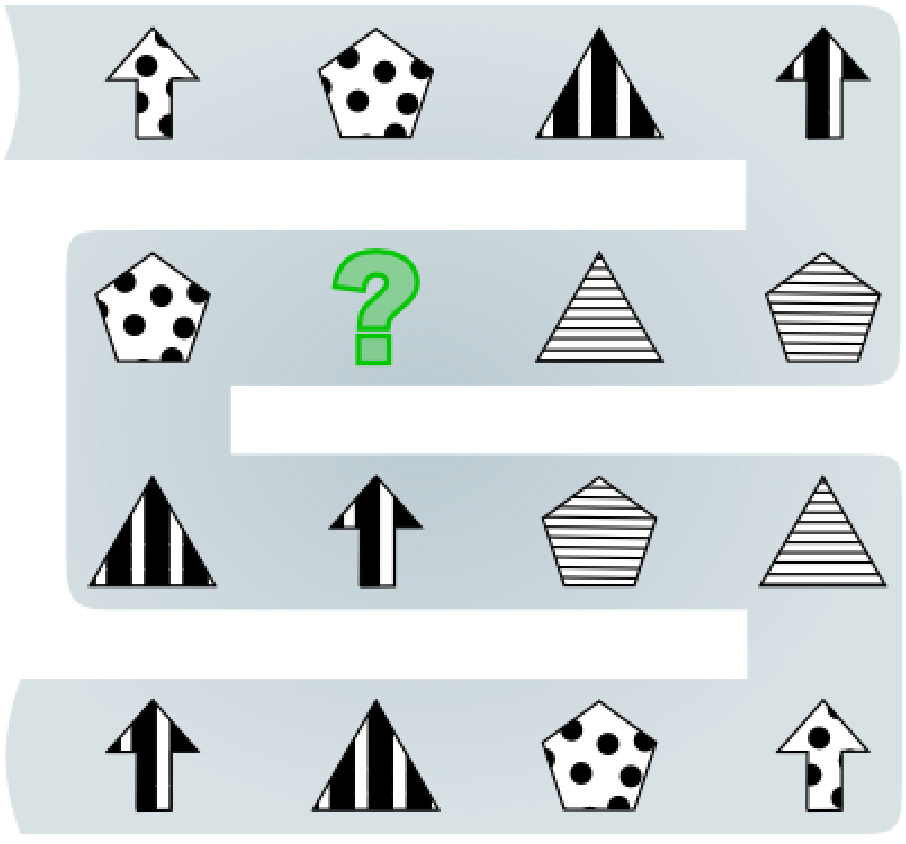
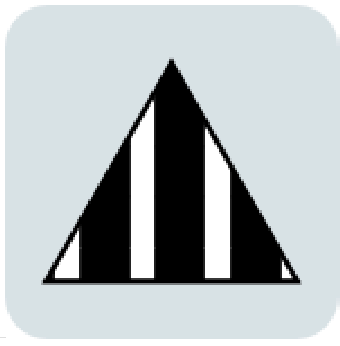
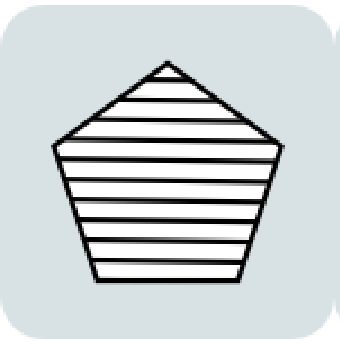
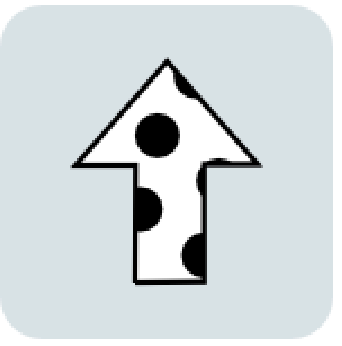
AI reconstruction: Added conditions. Follow the strip from top-left, reading successive rows left-to-right, right-to-left, left-to-right and right-to-left. Repeat the shape cycle arrow, pentagon, triangle. Independently repeat the texture cycle in pairs: two spotted, two vertically striped, two horizontally striped. Fill the missing picture.
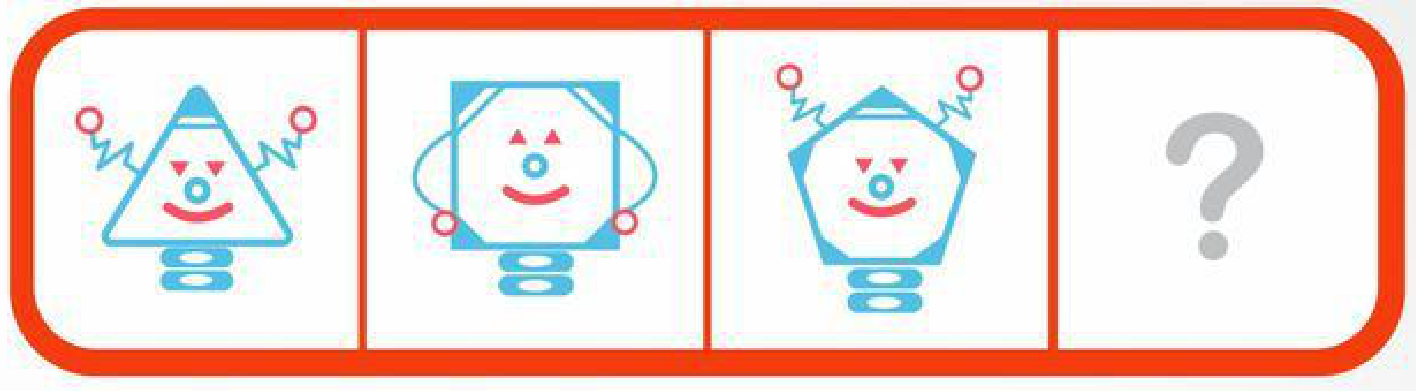
AI reconstruction. Answer with a number: how many sides should the next outer polygonal body have if the number of sides increases by one each step? Count the outer body boundary only, not the face, arms or spring. This reconstruction asks for the side count rather than selecting an entire character. The original choices are retained for comparison; their facial details are not all consistent with the displayed alternation.
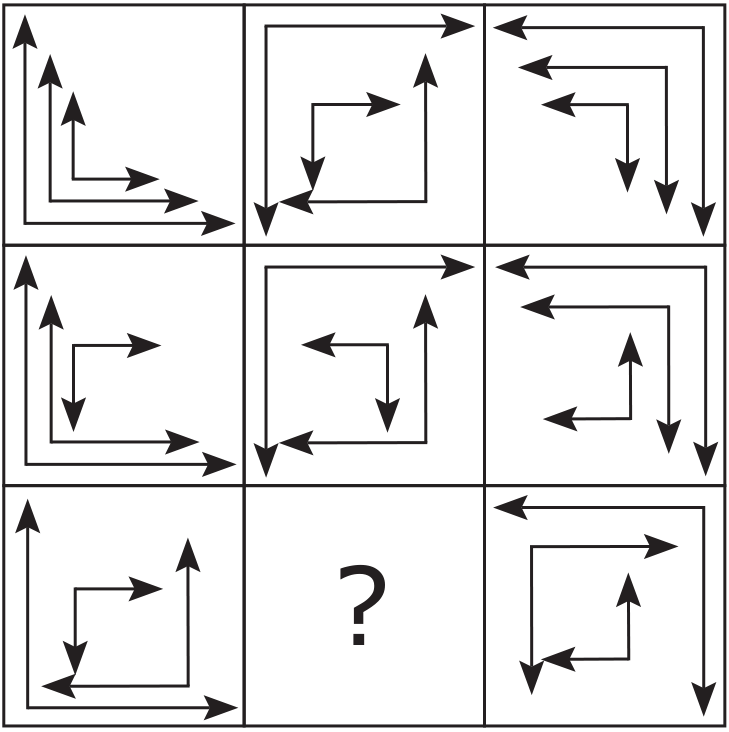
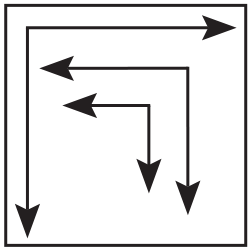
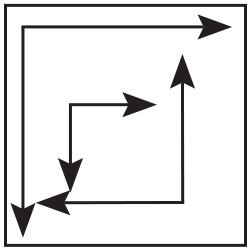
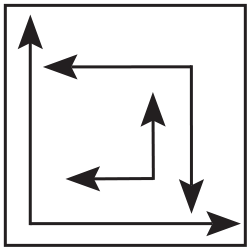
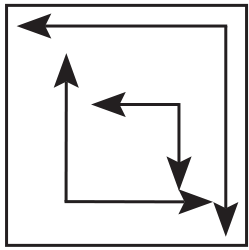
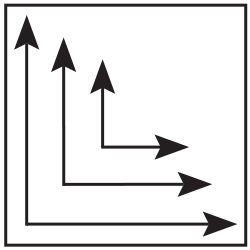
AI reconstruction: Choose the missing cell. Read down columns. Turn the small, middle and large bent arrows in that repeating order. Small and large turn 90° clockwise; middle turns 90° counterclockwise.
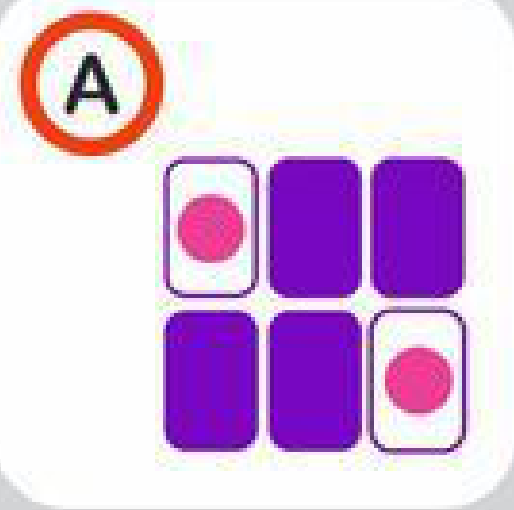
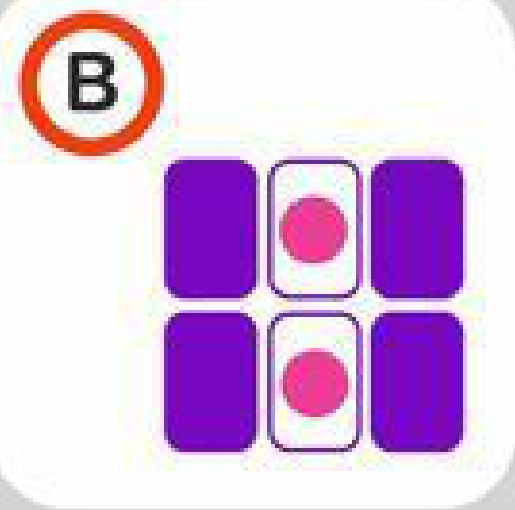
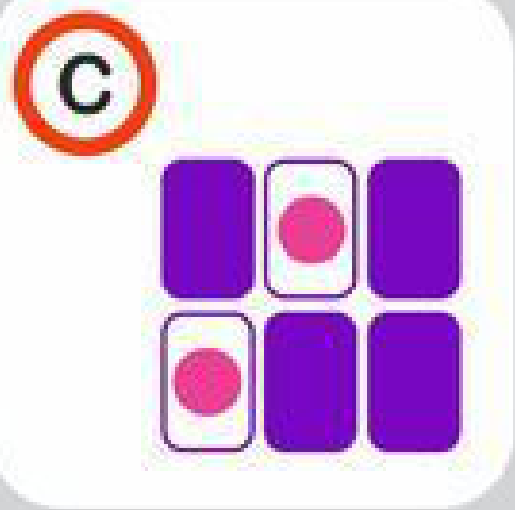
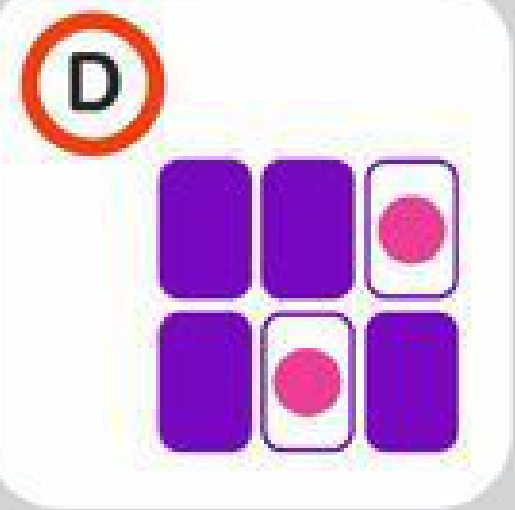
AI reconstruction. Number the three columns 1–3 from left to right. Each row has one pink dot. The top dot follows the repeating column cycle 1,2,3,2; the bottom dot follows 2,1,2,3. Continue both cycles.
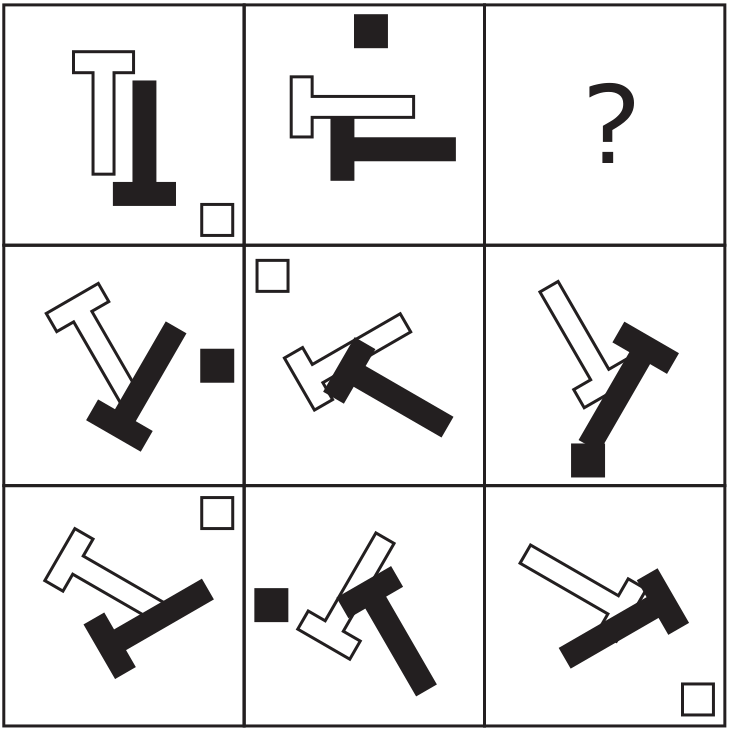
AI reconstruction: Choose the missing cell. Read down each column, then continue at the top of the next column. Follow the unfilled T, black T and small square separately.
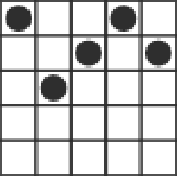
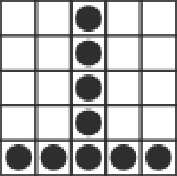
AI reconstruction: Added rule: Track a full horizontal row and a full vertical column separately. Move the row down one place and the column left one place per step; wrap from column 1 to column 5. Where the two lines meet, show one dot. Choose the next picture.
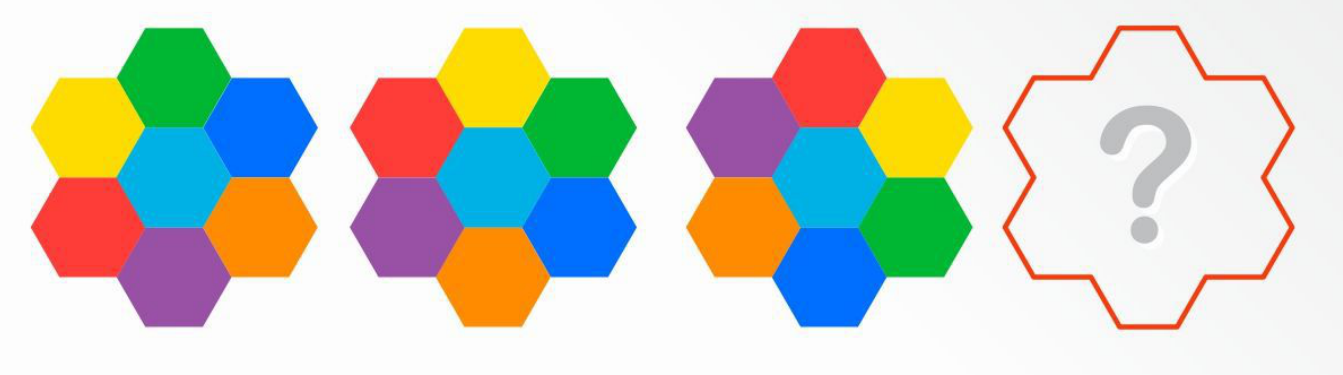
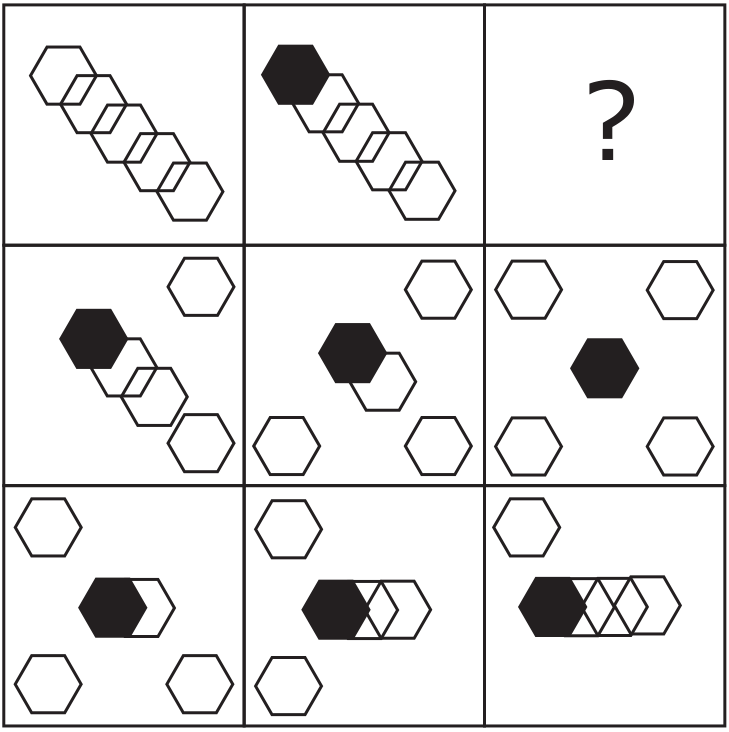
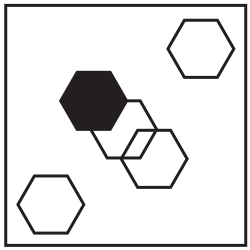
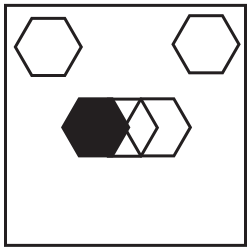
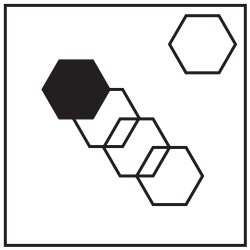
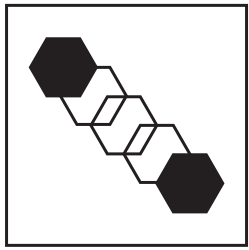
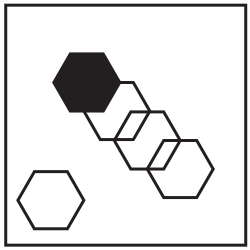
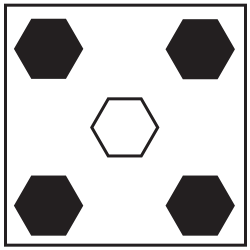
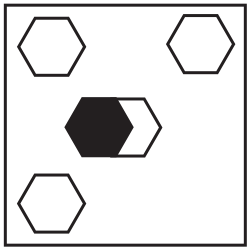
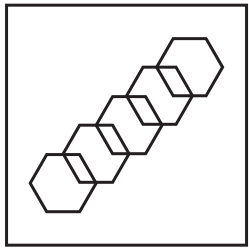
AI reconstruction: Choose the missing cell. Read from left to right, row by row. Follow how the diagonal group decreases as unfilled hexagons appear successively at the corners, before returning to a horizontal middle group.
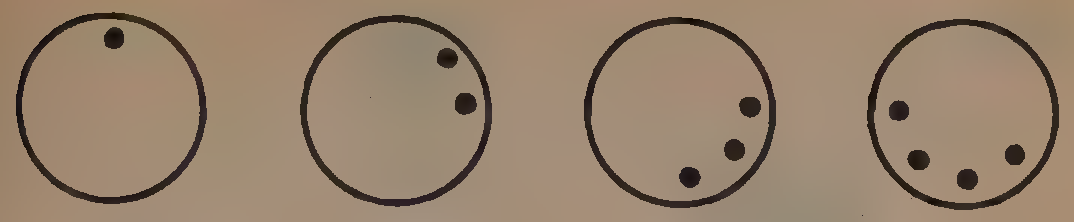
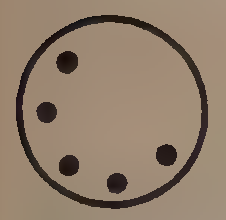
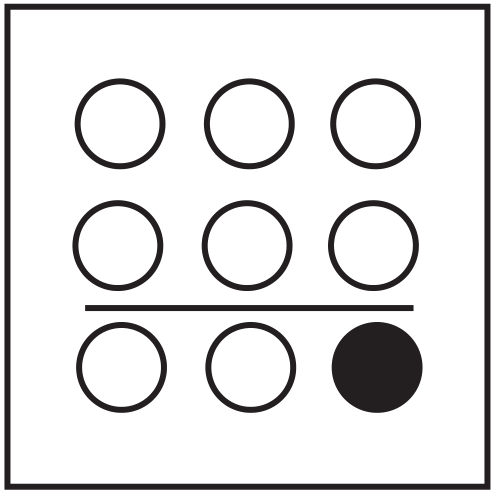
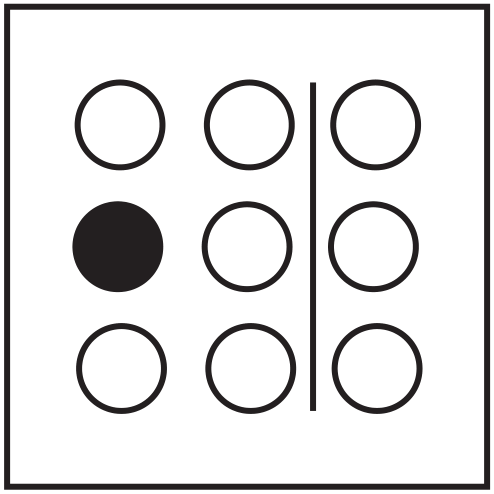
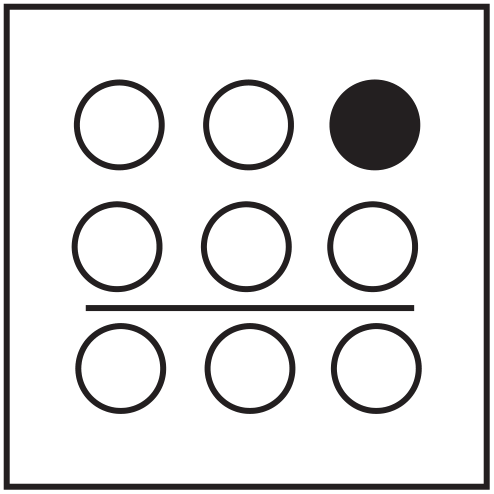
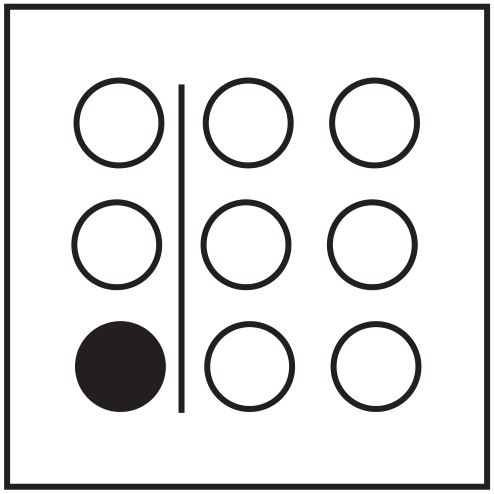
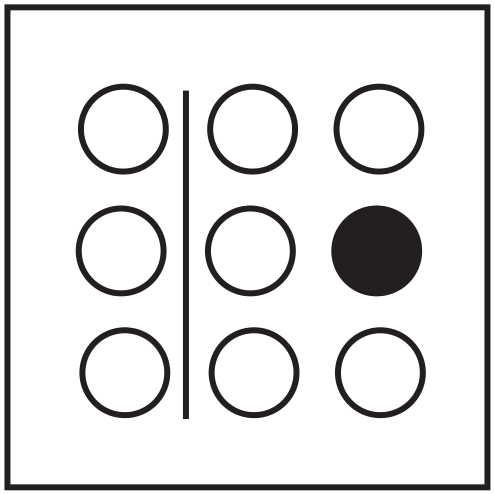
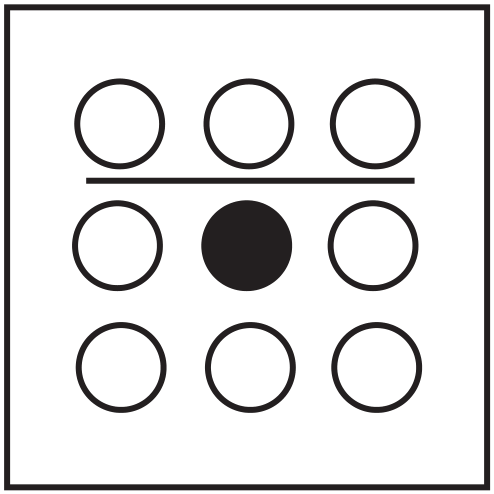
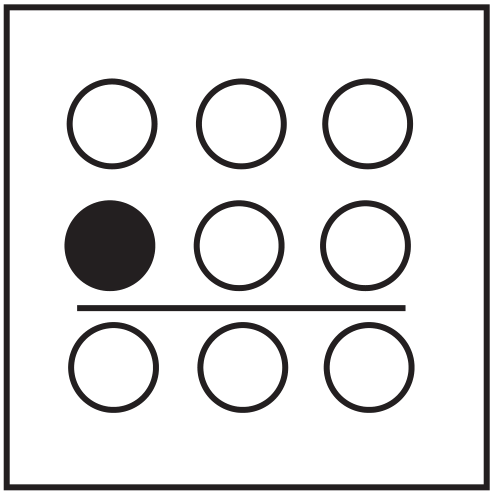
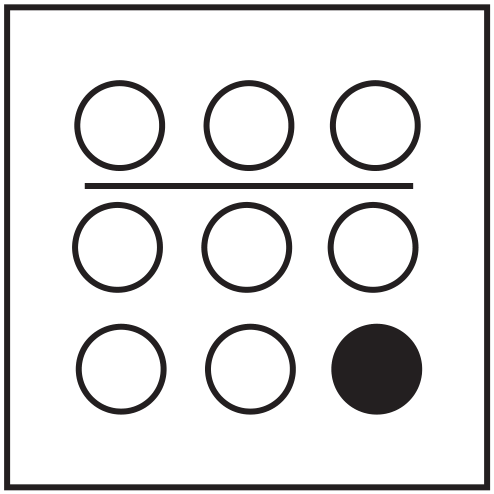
AI reconstruction: Choose the missing cell. Read down each column and then through the next column. One circle stays black; track its position separately from the dividing line.
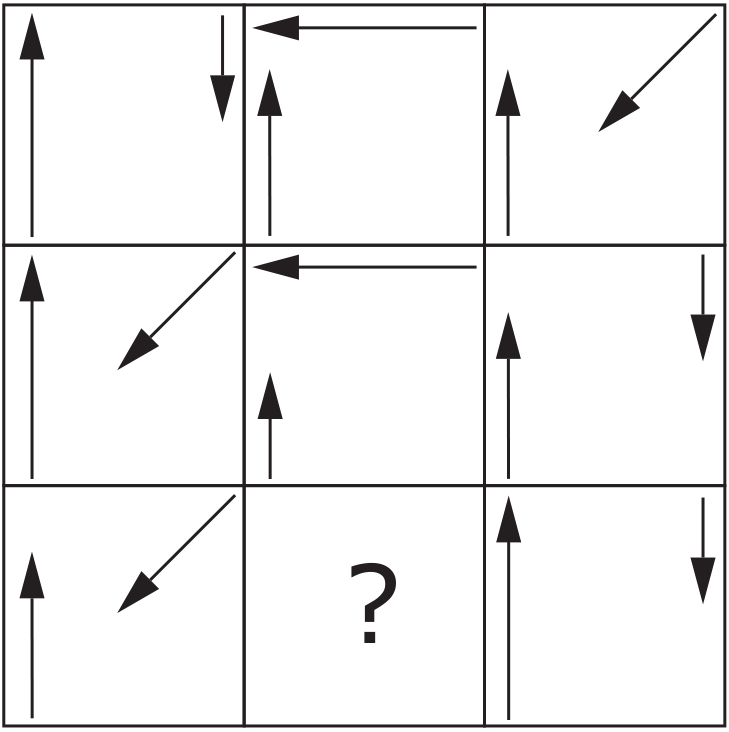
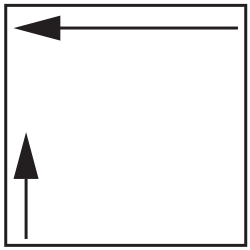
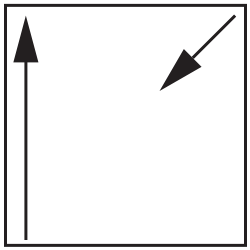
AI reconstruction: Choose the missing cell. Number cells 1–9 from left to right, row by row. Follow odd-numbered and even-numbered cells as two interleaved sequences. In each sequence the arrow lengths move back and forth through small, medium and large.
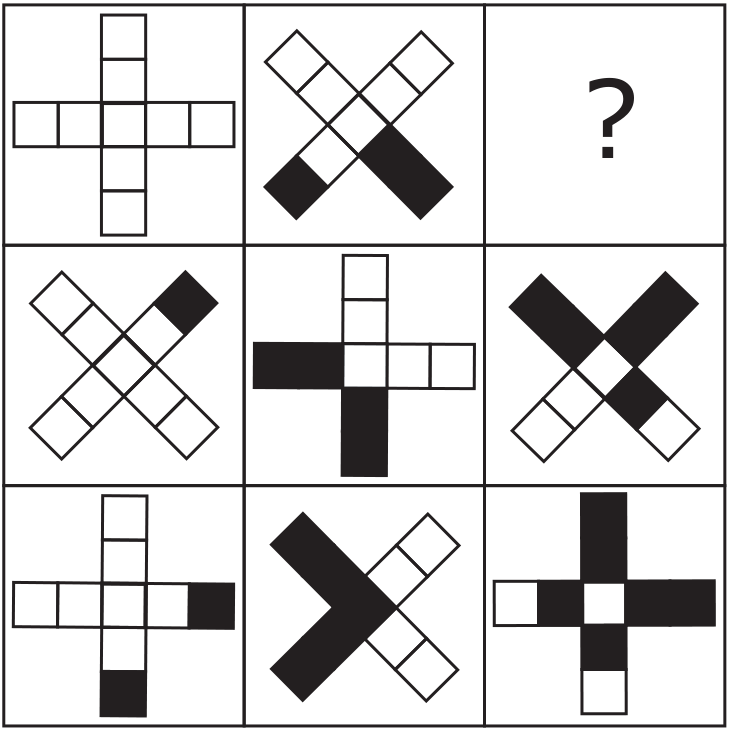
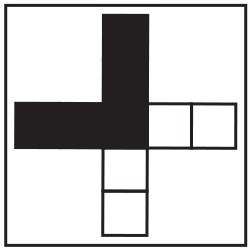
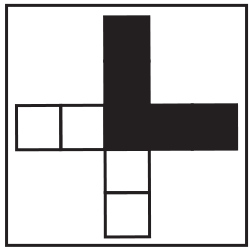
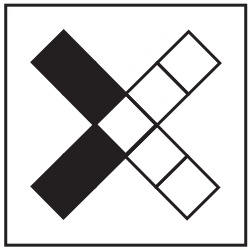
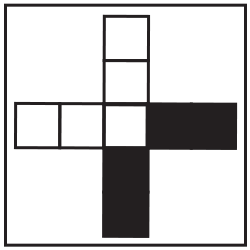
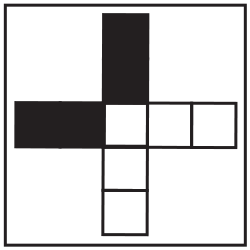
AI reconstruction: Choose the missing cell. Read down each column, then start the next. Imagine the cross before rotation as two five-square strips sharing their center. Alternately extend the shading from the top of the vertical strip and the right of the horizontal strip. A square shaded by both strips becomes white.
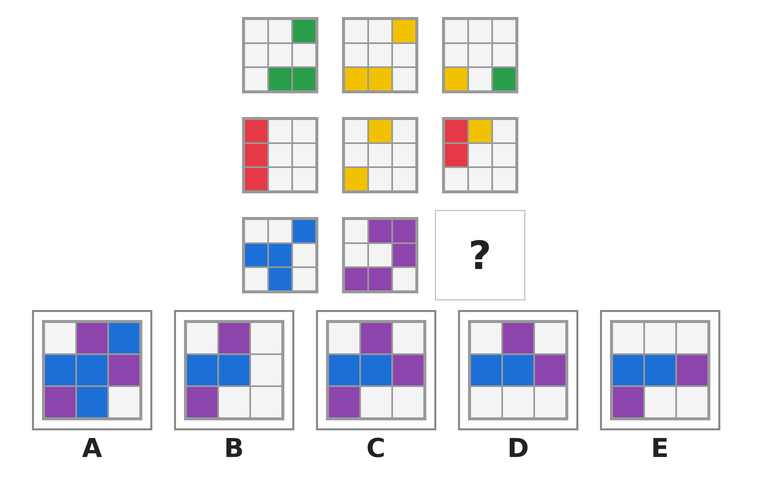
In every row, the first two grids combine to make the third grid. A square is coloured only if it is coloured in exactly one of the first two grids, and it keeps that colour. Which grid completes the last row?