Skip to content / Đến nội dung
ThichHocToan.com

Conditional logic and ordering · SET 3

Question 1

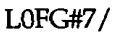
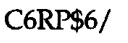
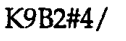
AI reconstruction: Use uppercase English A–Z, digits 0–9 and punctuation #, =, /, dollar sign and cent sign. Rules: end with /; begin with the next English letter after the first letter of the preceding printed series; the second of two adjacent uppercase letters may be replaced by a digit; 5 must not be adjacent to 5; other digits may occur at most once. Model: A1AA#2/. Enter C for correct or I for incorrect. The preceding printed series starts with I. Check the original series in the illustration. Added condition: Treat these as the complete checks: digits may occupy the displayed positions; the optional replacement rule does not impose a further fixed-position template. Punctuation may repeat; no length limit is stated.
Question illustration

Question 2

Which statement can be said of American colonists under British rule?

Question illustration
  1. All colonists wanted to be free of British rule.
  2. All colonists wanted to drink tea.
  3. Colonists were never forced to board British soldiers.
  4. Colonists who were unhappy with British rule organized to fight for freedom.
  5. Colonists were always very unhappy with British rule.

Question 3

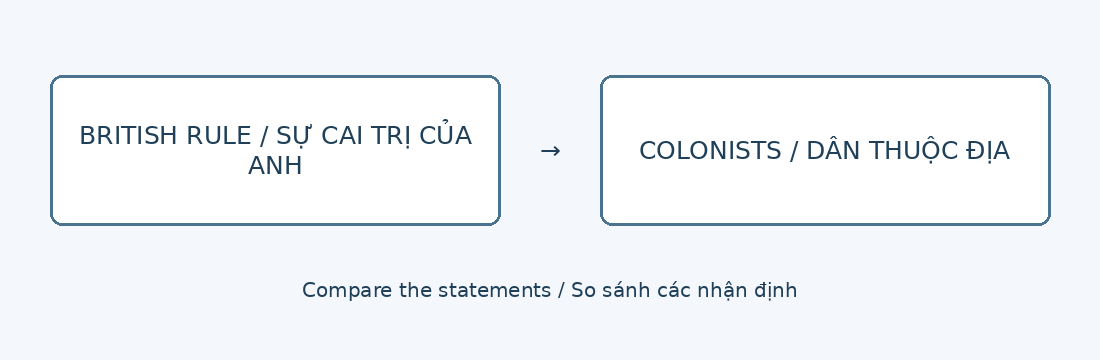
Use the flowchart for returning Jon Smith’s call. Read numbered blanks as missing steps and choose the best instruction. Labels: Start → Receive message: Call Jon Smith → Do I have his number? Yes → Check his number → Dial Jon Smith’s number. No → 1 → Locate “Smith” in the phone book → Is Jon’s number there? No → 2; Yes → Dial. After dial: Is it busy? Yes → 5 → retry; No → Is the phone answered? No → 5; Yes → Is Jon there? No → 3; Yes → 4. Both 3 and 4 lead to Hang the phone up → Stop. What is the best instruction at No. 1?
Question illustration
  1. Wait till Jon calls.
  2. Get the phone book.
  3. Try several numbers.
  4. Call someone who knows Jon’s number.

Question 4

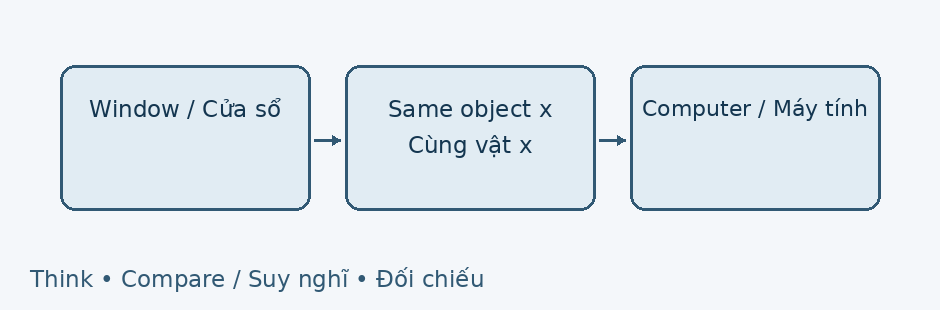
Accept these invented facts: all windows are feathered; all computers are sneezes; some mammals are fire-engines; some windows are computers. Does it follow that some sneezes are feathered?

Question illustration
  1. True: the conclusion follows
  2. False: the conclusion does not follow

Question 5

AI reconstruction: Use uppercase English A–Z, digits 0–9 and punctuation #, =, /, dollar sign and cent sign. Rules: end with /; begin with the next English letter after the first letter of the preceding printed series; the second of two adjacent uppercase letters may be replaced by a digit; 5 must not be adjacent to 5; other digits may occur at most once. Model: A1AA#2/. Enter C for correct or I for incorrect. The preceding printed series starts with K. Check the original series in the illustration. Added condition: Treat these as the complete checks: digits may occupy the displayed positions; the optional replacement rule does not impose a further fixed-position template. Punctuation may repeat; no length limit is stated.
Question illustration

Question 6

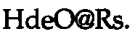
Use uppercase English A–Z, lowercase a–z and punctuation +, −, @, *, period. No digits. End with a period; at most seven characters. Keep uppercase, lowercase and punctuation positions as in AabA*A.; the two lowercase letters must be consecutive in the English alphabet. Enter C for correct or I for incorrect. Check the original series in the illustration.
Question illustration

Question 7

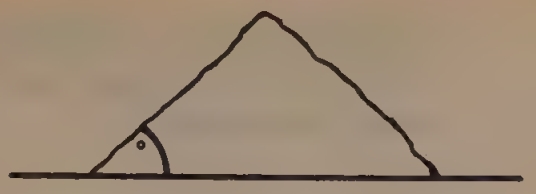
Dry sand poured freely forms an approximately conical pile. What typical angle does its sloping surface make with the horizontal? AI reconstruction: this is an approximate value for ordinary dry dune sand, using a typical range of 30°–34°, not a universal material constant. Choose the value within that range.

Question illustration
  1. 25°
  2. 33°
  3. 40°
  4. 45°
  5. 50°

Question 8

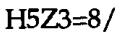
AI reconstruction: Use uppercase English A–Z, digits 0–9 and punctuation #, =, /, dollar sign and cent sign. Rules: end with /; begin with the next English letter after the first letter of the preceding printed series; the second of two adjacent uppercase letters may be replaced by a digit; 5 must not be adjacent to 5; other digits may occur at most once. Model: A1AA#2/. Enter C for correct or I for incorrect. The preceding printed series starts with G. Check the original series in the illustration. Added condition: Treat these as the complete checks: digits may occupy the displayed positions; the optional replacement rule does not impose a further fixed-position template. Punctuation may repeat; no length limit is stated.
Question illustration

Question 9

Use the flowchart for returning Jon Smith’s call. Read numbered blanks as missing steps and choose the best instruction. Labels: Start → Receive message: Call Jon Smith → Do I have his number? Yes → Check his number → Dial Jon Smith’s number. No → 1 → Locate “Smith” in the phone book → Is Jon’s number there? No → 2; Yes → Dial. After dial: Is it busy? Yes → 5 → retry; No → Is the phone answered? No → 5; Yes → Is Jon there? No → 3; Yes → 4. Both 3 and 4 lead to Hang the phone up → Stop. What is the best instruction at No. 5?
Question illustration
  1. Call the operator.
  2. Wait till Jon calls.
  3. Try another number.
  4. Wait 15 minutes and call again.

Question 10

Use uppercase English A–Z, lowercase a–z and punctuation +, −, @, *, period. No digits. End with a period; at most seven characters. Keep uppercase, lowercase and punctuation positions as in AabA*A.; the two lowercase letters must be consecutive in the English alphabet. Enter C for correct or I for incorrect. Check the original series in the illustration.
Question illustration

Question 11

Who is best to ask whether a statement is true or false? For this logic puzzle, assume the person knows the answer and must answer only true or false; “never truthful” means always giving the opposite of the true answer.

Question illustration
  1. Someone occasionally truthful.
  2. Someone often truthful.
  3. Someone never truthful.

Question 12

AI reconstruction: Language: uppercase English A–Z, digits 0–9; punctuation hash (#), equals (=), slash (/), dollar sign and cent sign (¢). Rules: (1) end with /; (2) start with the next English letter after the preceding printed series; (3) the second of two adjacent uppercase letters may be replaced by a digit; (4) 5 may not be adjacent to another 5; (5) every other digit may occur at most once. Model: A1AA#2/. Enter C if correct or I if incorrect. The preceding printed series starts with B. Check the series shown below. Added condition: Treat these as the complete checks: digits may occupy the displayed positions; rule 3 permits replacement but does not impose an additional fixed-position template. Punctuation may repeat, with no length limit stated.
Question illustration

Question 13

Use the flowchart for returning Jon Smith’s call. Read numbered blanks as missing steps and choose the best instruction. Labels: Start → Receive message: Call Jon Smith → Do I have his number? Yes → Check his number → Dial Jon Smith’s number. No → 1 → Locate “Smith” in the phone book → Is Jon’s number there? No → 2; Yes → Dial. After dial: Is it busy? Yes → 5 → retry; No → Is the phone answered? No → 5; Yes → Is Jon there? No → 3; Yes → 4. Both 3 and 4 lead to Hang the phone up → Stop. What is the best instruction at No. 2?
Question illustration
  1. Wait till Jon calls.
  2. Get the phone book.
  3. Call operator to find if he has a new listing.
  4. Locate his mailing address.

Question 14

Use uppercase English A–Z, lowercase a–z and punctuation +, −, @, *, period. No digits. End with a period; at most seven characters. Keep uppercase, lowercase and punctuation positions as in AabA*A.; the two lowercase letters must be consecutive in the English alphabet. Enter C for correct or I for incorrect. Check the original series in the illustration.
Question illustration

Question 15

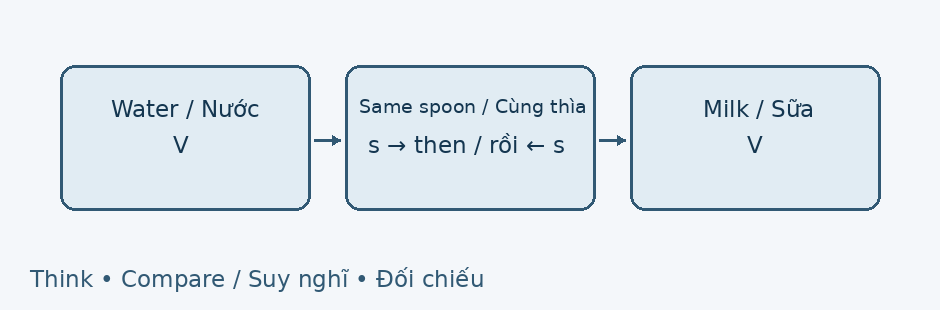
Two cups initially contain equal volumes, one milk and one water. Transfer one spoonful of water into the milk and mix thoroughly; transfer an equal spoonful of that mixture back into the water. Assume no spilling and additive volumes. Which is true?

Question illustration
  1. More water in the milk
  2. More milk in the water
  3. Equal amounts of the other liquid

Question 16

Use uppercase English A–Z, lowercase a–z and punctuation +, −, @, *, period. No digits. End with a period; at most seven characters. Keep uppercase, lowercase and punctuation positions as in AabA*A.; the two lowercase letters must be consecutive in the English alphabet. Enter C for correct or I for incorrect. Check the original series in the illustration.
Question illustration

Question 17

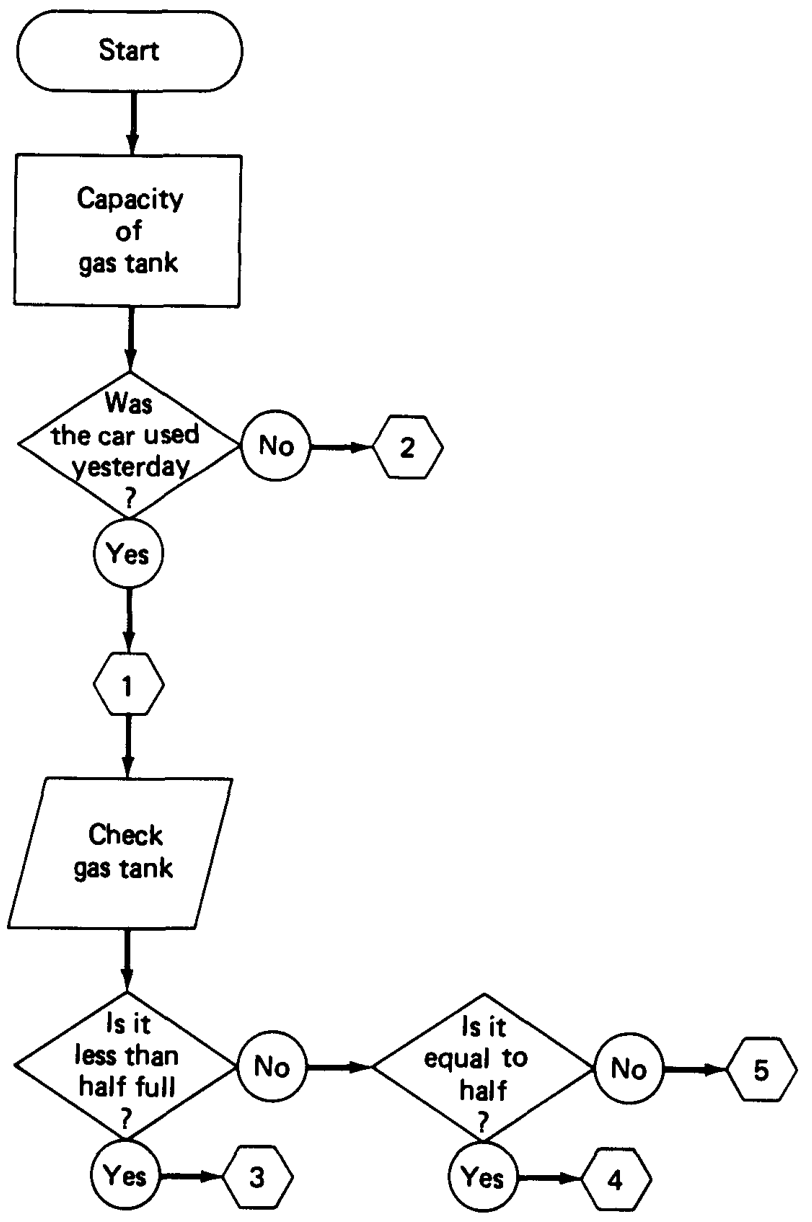
You will use the car today and maintain its gas tank at least half full. Use the original decision chart; choose the best interpretation of the numbered position. Labels: Start → Capacity of gas tank → Was the car used yesterday? No → 2; Yes → 1 → Check gas tank → Is it less than half full? Yes → 3; No → Is it equal to half? Yes → 4; No → 5. What does No. 2 mean?
Question illustration
  1. The tank is probably not empty.
  2. The oil should be checked.
  3. You should not use your car.
  4. Your car needs to be tuned.

Question 18

You will use the car today and maintain its gas tank at least half full. Use the original decision chart; choose the best interpretation of the numbered position. Labels: Start → Capacity of gas tank → Was the car used yesterday? No → 2; Yes → 1 → Check gas tank → Is it less than half full? Yes → 3; No → Is it equal to half? Yes → 4; No → 5. What does No. 5 mean?
Question illustration
  1. The tank is over half full.
  2. The tank is empty.
  3. Definitely fill the tank.
  4. You need to add dry gas.

Question 19

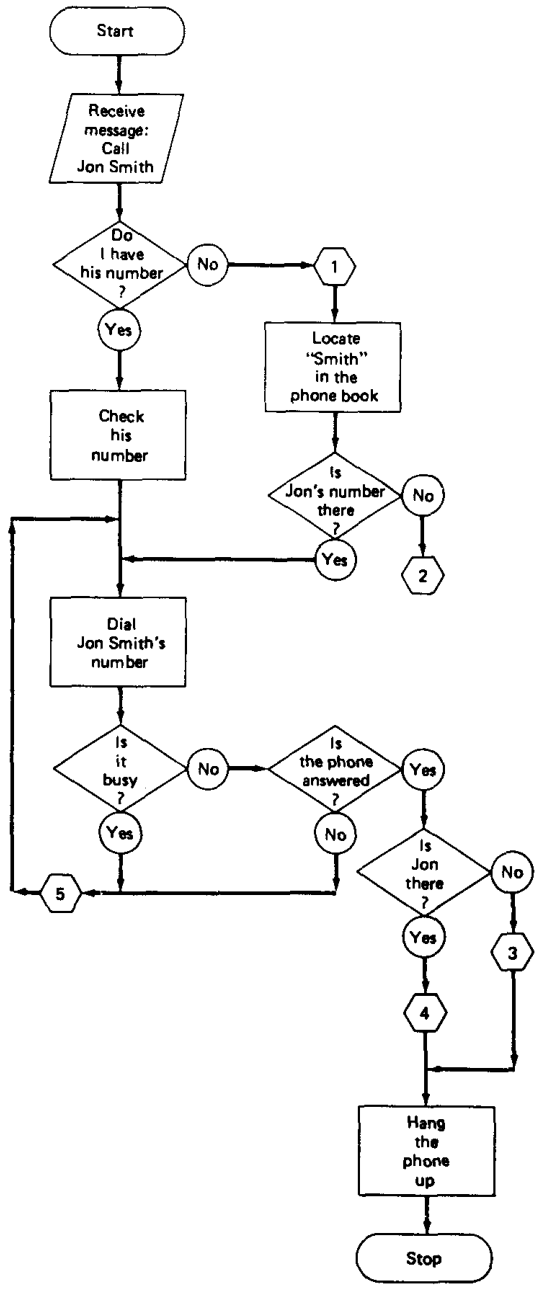
AI reconstruction: Use uppercase English A–Z, digits 0–9 and punctuation #, =, /, dollar sign and cent sign. Rules: end with /; begin with the next English letter after the first letter of the preceding printed series; the second of two adjacent uppercase letters may be replaced by a digit; 5 must not be adjacent to 5; other digits may occur at most once. Model: A1AA#2/. Enter C for correct or I for incorrect. The preceding printed series starts with J. Check the original series in the illustration. Added condition: Treat these as the complete checks: digits may occupy the displayed positions; the optional replacement rule does not impose a further fixed-position template. Punctuation may repeat; no length limit is stated.
Question illustration

Question 20

You will use the car today and maintain its gas tank at least half full. Use the original decision chart; choose the best interpretation of the numbered position. Labels: Start → Capacity of gas tank → Was the car used yesterday? No → 2; Yes → 1 → Check gas tank → Is it less than half full? Yes → 3; No → Is it equal to half? Yes → 4; No → 5. What does No. 3 mean?
Question illustration
  1. The tank is empty.
  2. The car does not need gas.
  3. Definitely fill the tank.
  4. The tires need to be inflated.