SEAMO self-study edition 2027; not an official 2027 paper. Original source years are retained. 25 questions, 90 minutes; Q1–10: 3 points, Q11–20: 4 points, Q21–25: 6 points, total 100. Original response types and all subparts are preserved. Verified is an editorial convention; source defects, necessary assumptions and unresolved mathematical uncertainty are disclosed.
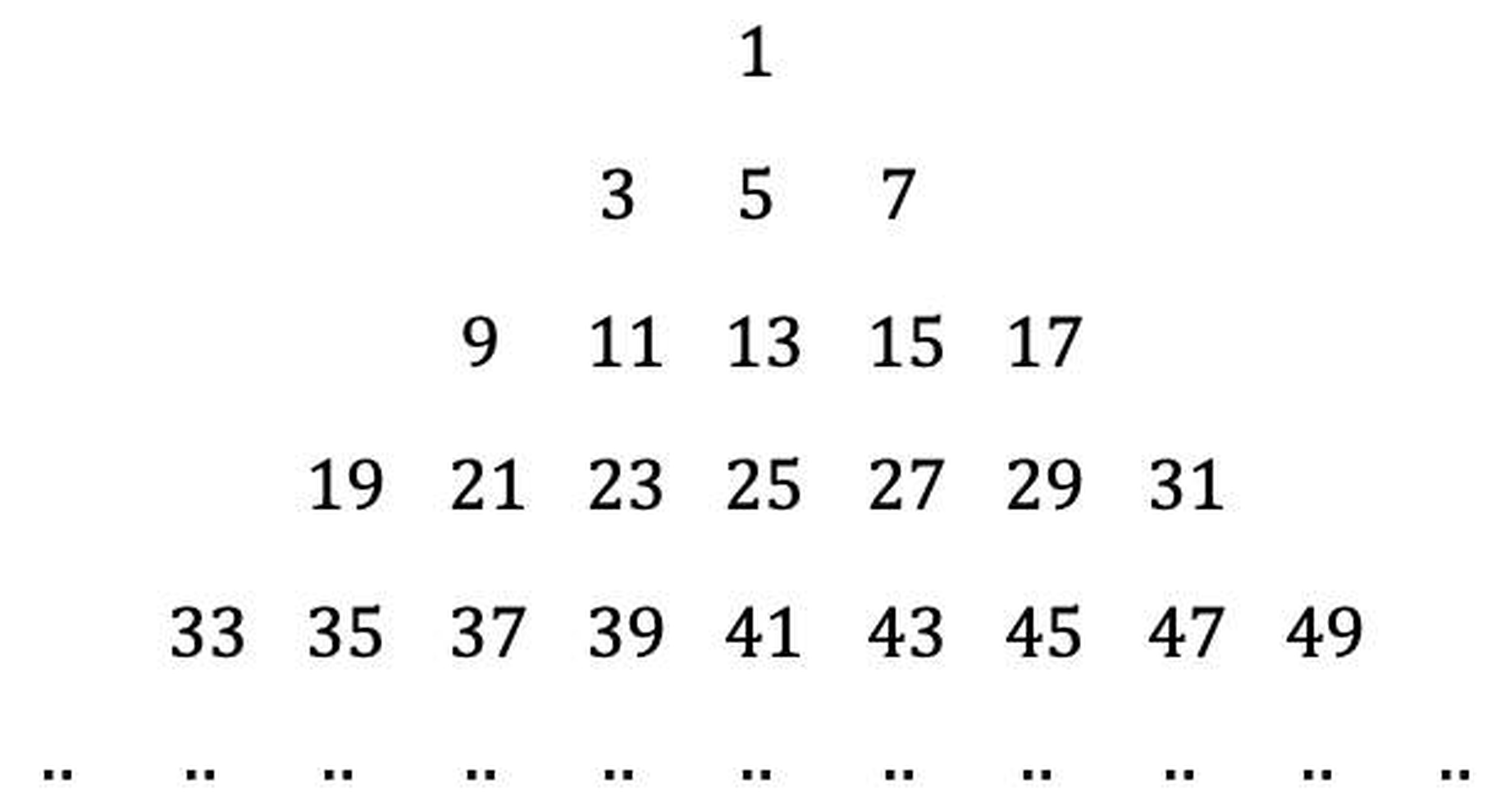
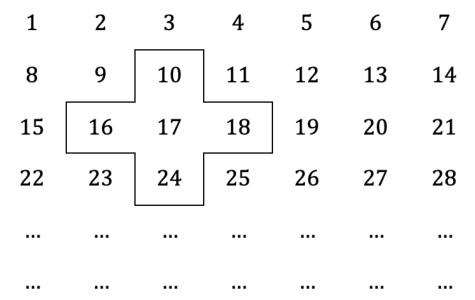
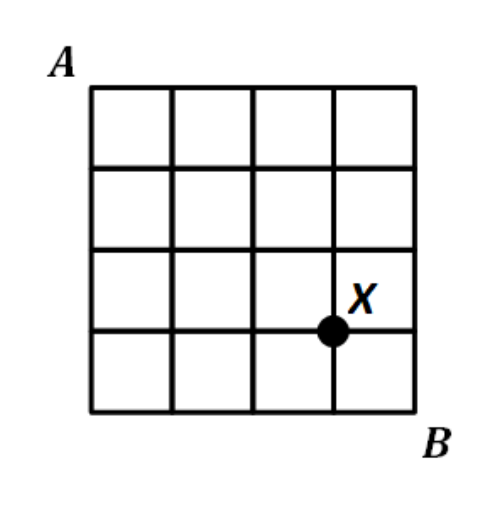
What is the first number in the 10th row of the array shown?
Continue the consecutive positive odd numbers, with row lengths 1, 3, 5, 7, … as displayed.
There are 30 questions in a mathematical competition. All questions must be answered. A correct answer earns 5 marks and a wrong answer loses 2 marks. If Alan scores 122 marks, how many questions does he answer correctly?
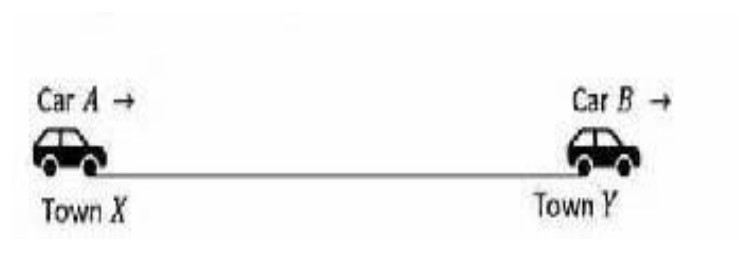
Car A leaves Town X one hour before Car B leaves Town Y. Car A travels at 96 km/h and Car B at 80 km/h. Five hours after Car A starts, it catches up with Car B. What is the distance between Town X and Town Y, in kilometres?
As shown in the original diagram, both cars travel in the same direction along the same straight road, with Y ahead of X; they maintain the stated speeds until meeting.
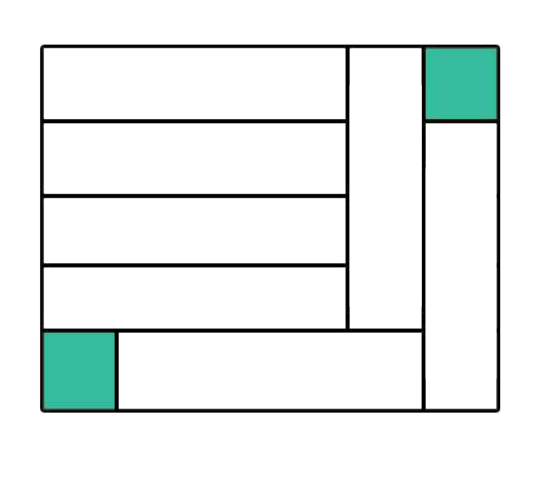
The diagram shows a rectangle of length 36 cm. It contains two shaded regions and 7 identical small rectangles. Find the area of one small rectangle, in square centimetres.
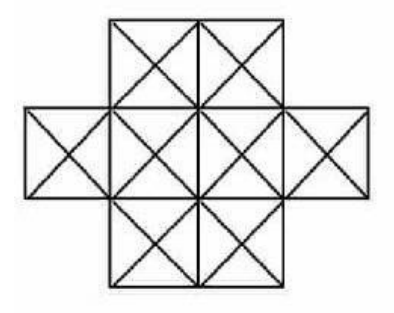
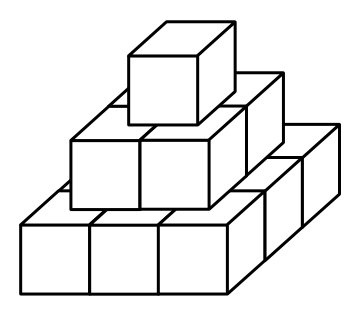
The figure consists of 3 layers of cubes, each \(2\times2\times2\) cm. Find the total area of the visible surfaces from the top and sides, in square centimetres.
Count all exposed top and vertical side surfaces, including sides hidden behind the drawing, but exclude the underside. The layers are complete 3-by-3, 2-by-2 and 1-by-1 square layers as intended by the source figure.