SEAMO self-study edition 2027; not an official 2027 paper. Original source years are retained. 25 questions, 90 minutes; Q1–10: 3 points, Q11–20: 4 points, Q21–25: 6 points, total 100. Original response types and all subparts are preserved. Verified is an editorial convention; source defects, necessary assumptions and unresolved mathematical uncertainty are disclosed.
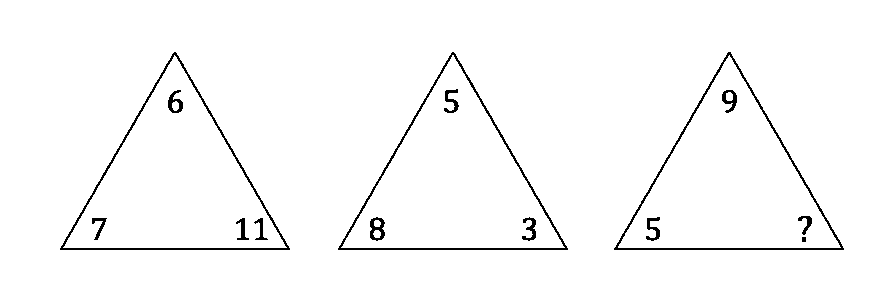
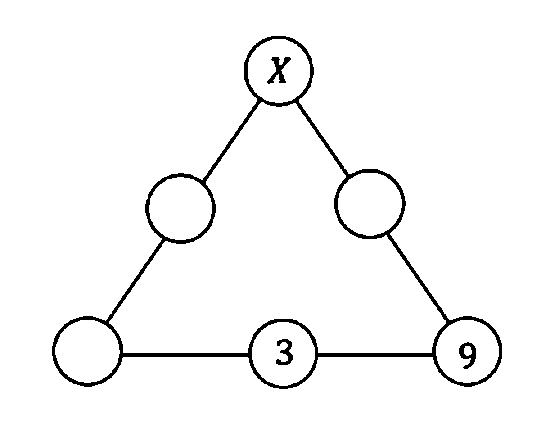
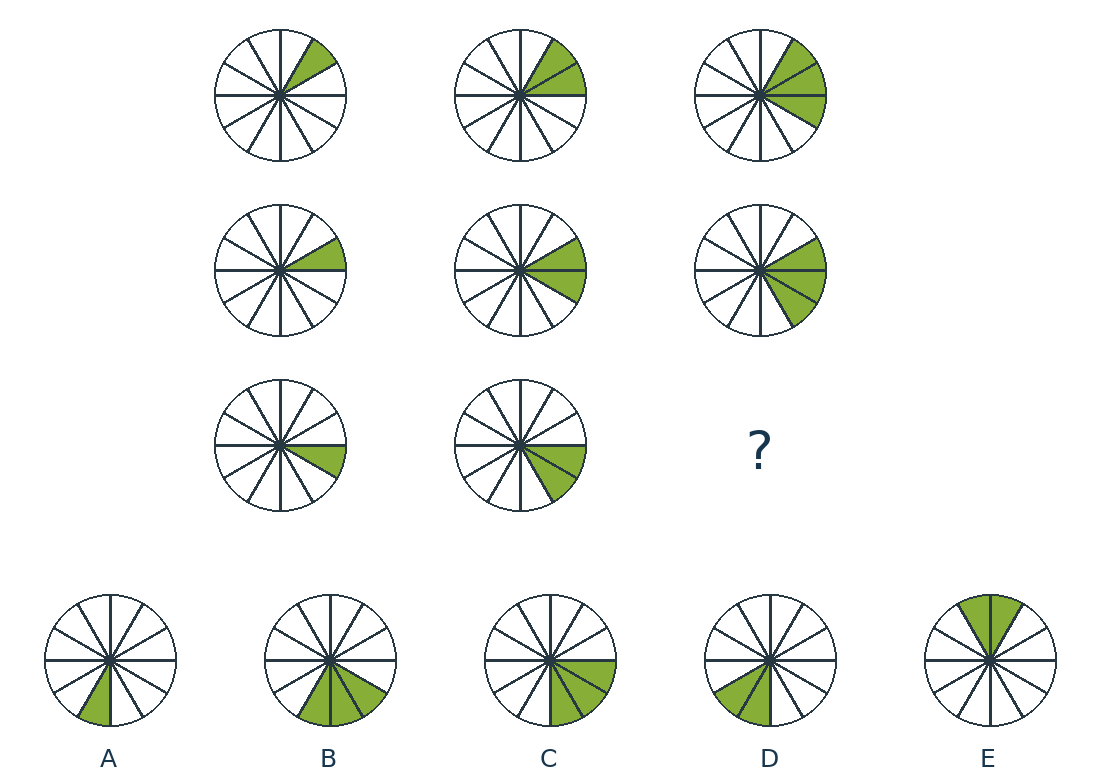
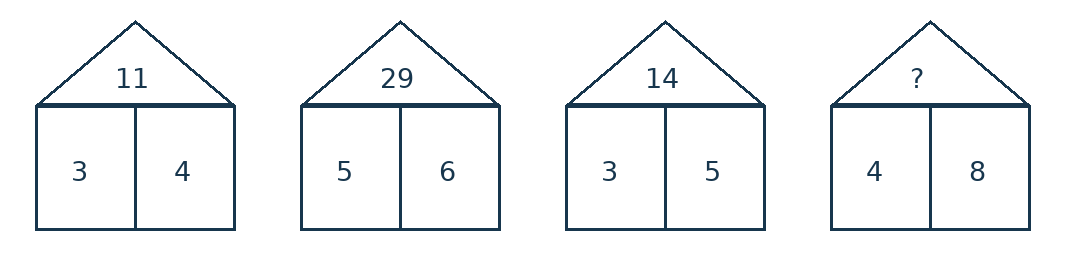
Find the missing number in the number puzzle below.
The source does not state the rule or provide an answer key. Use a simple pattern comparing corresponding positions across the three triangles; the proposed answer is conditional on that interpretation.
The digits 2, 5 and 8 can form 6 different two-digit numbers, such as 25, 28, … . What is the difference between the largest and smallest numbers that can be formed?
Use two different digits in each number, as implied by the source’s six numbers.
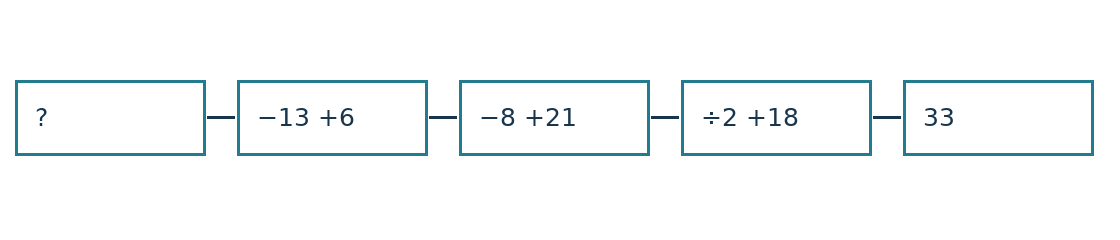
A bus leaves the terminal with some passengers. At the next stop, 13 alight and 6 board. Then 8 alight and 21 board. Finally, half the passengers alight and 18 board. There are 33 passengers at the end. How many were there at the beginning?
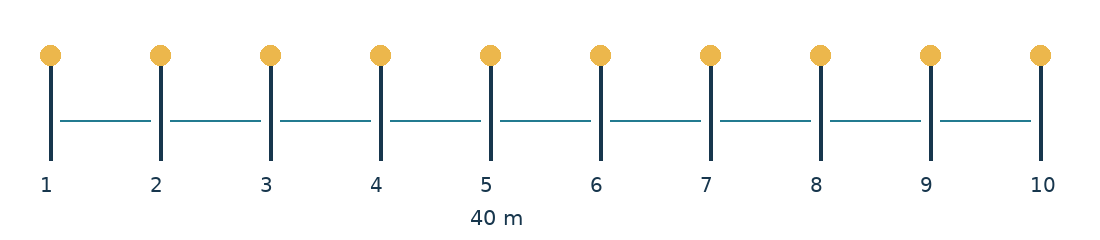
10 lampposts are equally spaced along a straight line. Consecutive lampposts are 40 m apart. What is the distance from the first to the last lamppost, in metres?