SEAMO self-study edition 2027; not an official 2027 paper. Original source years are retained. 25 questions, 90 minutes; Q1–10: 3 points, Q11–20: 4 points, Q21–25: 6 points, total 100. Original response types and all subparts are preserved. Verified is an editorial convention; source defects, necessary assumptions and unresolved mathematical uncertainty are disclosed.
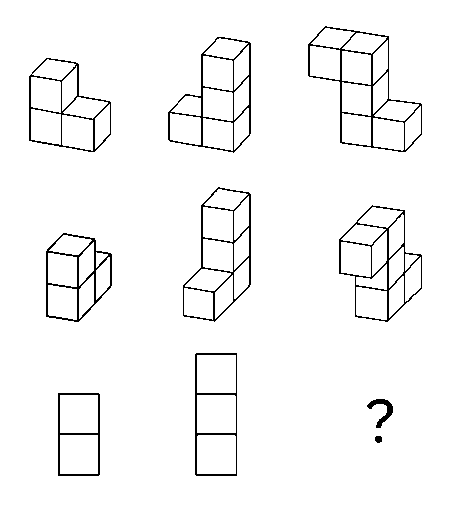
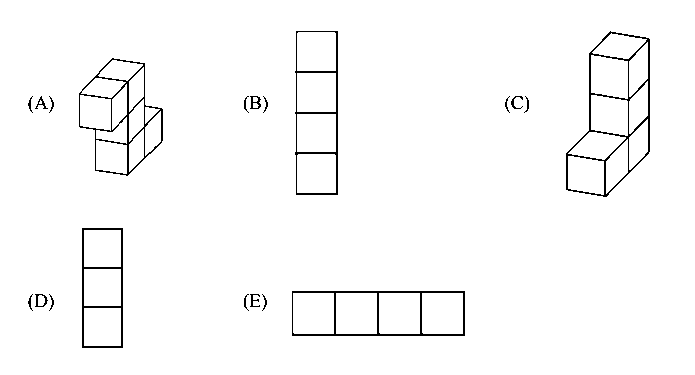
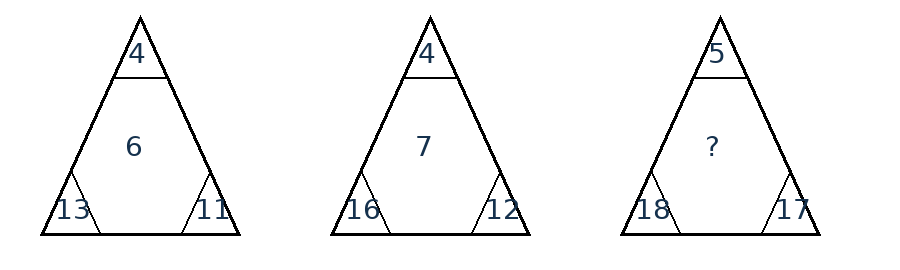
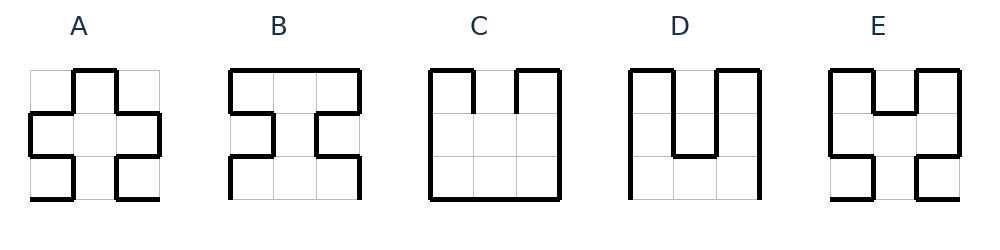
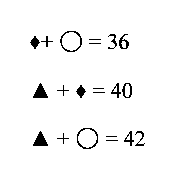
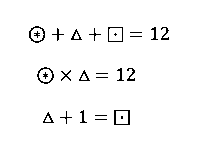
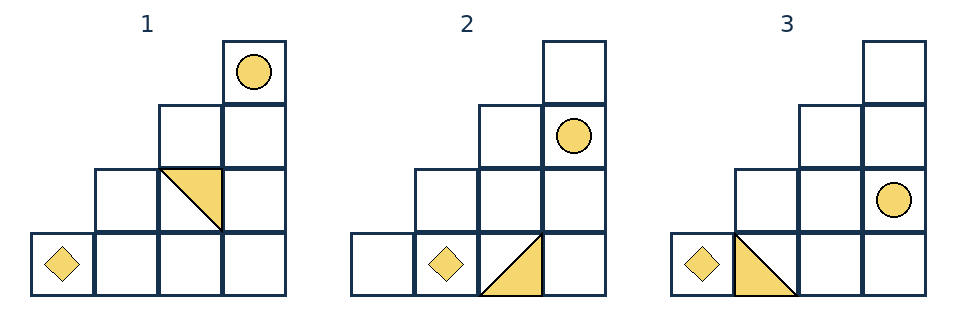
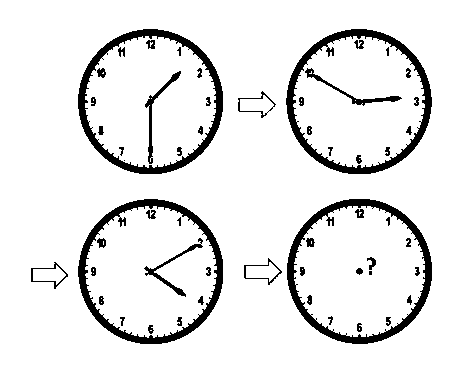
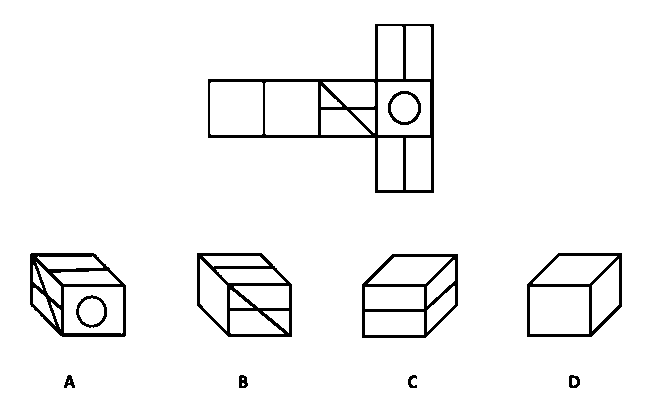
Find the missing figure. Choose from the five figures A–E.
Pattern task: use a simple rule consistent with all the displayed examples. Finite examples alone do not formally specify every possible continuation.
An empty bus has 78 seats. One passenger boards at the 1st stop, 2 at the 2nd stop, 3 at the 3rd stop, and so on. At which stop will the bus have 12 seats left? Give the stop number.
Interpretation: every passenger takes one seat and nobody leaves the bus before the stop being considered.
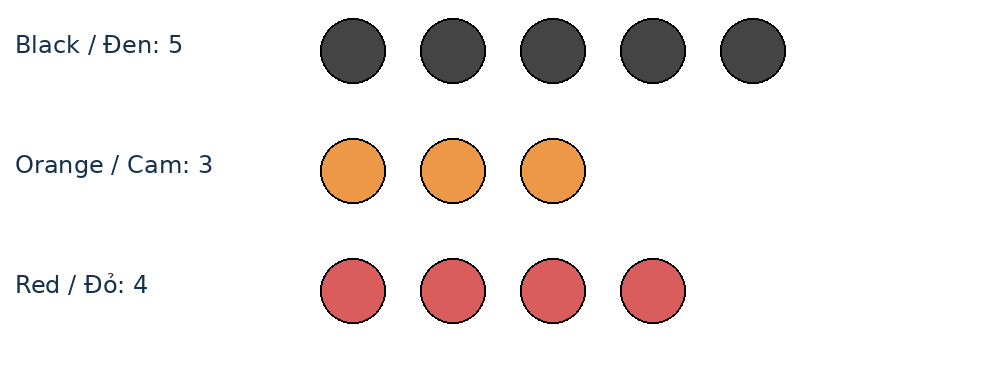
There are 5 black, 3 orange and 4 red balls in a bag. Without looking into the bag, how many balls must Shawn take to guarantee at least one ball of each colour?
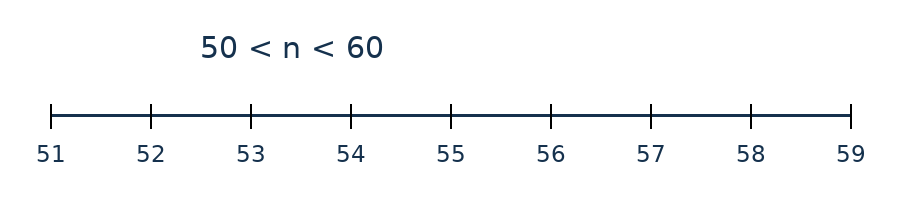
When n is divided by 5, the remainder is 4. When n is divided by 3, the remainder is 2. When n is divided by 2, the remainder is 1. Given 60 > n > 50, find n.
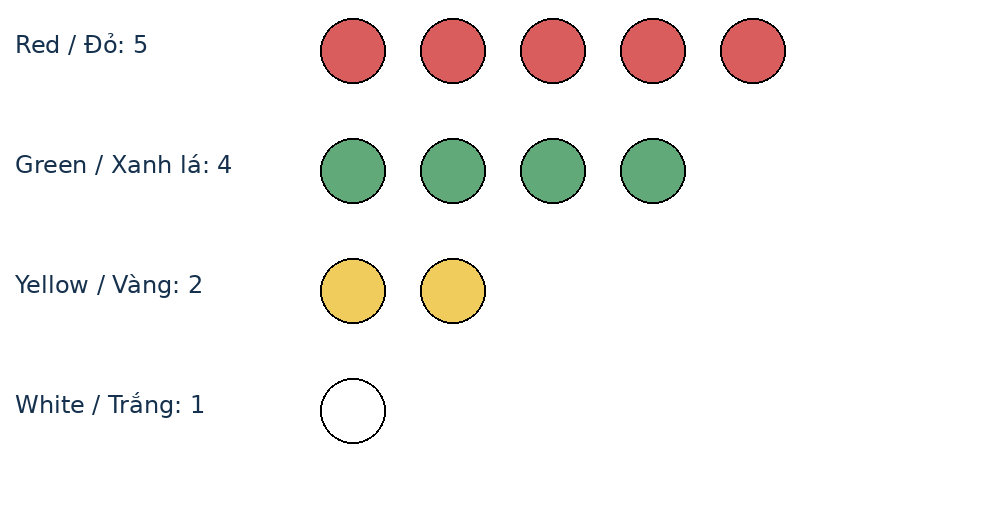
There are 5 red, 4 green, 2 yellow and 1 white balls in a bag. Jane is blindfolded. At least how many balls must she remove to guarantee that she has drawn 3 balls of the same colour?
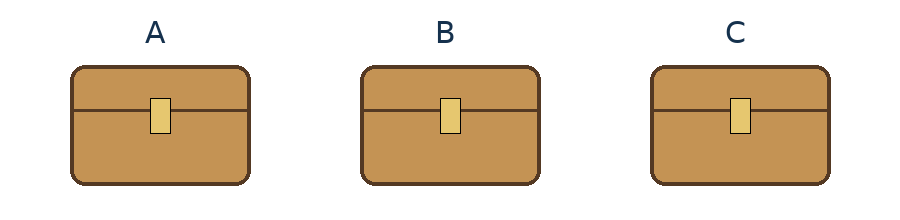
There are three chests A, B and C. Exactly one contains treasure and the other two are empty.
A’s label: “This chest is empty.”
B’s label: “This chest contains the treasure.”
C’s label: “Chest B is empty.”
Only one label is correct. Which chest contains the treasure?
A bus service runs at intervals of 25 minutes. The 1st bus left the terminal at 10:05 am. Peter stood at the terminal and saw 6 buses in total. At what time did he see the 6th bus?
Interpretation: Peter sees the first bus at 10:05 am and all five following buses, without missing a bus.