SEAMO self-study edition 2027; not an official 2027 paper. Original source years are retained. 25 questions, 90 minutes; Q1–10: 3 points, Q11–20: 4 points, Q21–25: 6 points, total 100. Original response types and all subparts are preserved. Verified is an editorial convention; source defects, necessary assumptions and unresolved mathematical uncertainty are disclosed.
The teacher writes a 4-digit number on the whiteboard. The hundreds digit is the sum of the tens and ones digits. The thousands digit is the sum of the other three. Given that the sum of all four digits is 12 and no digit is repeated, what is the smallest possible number?
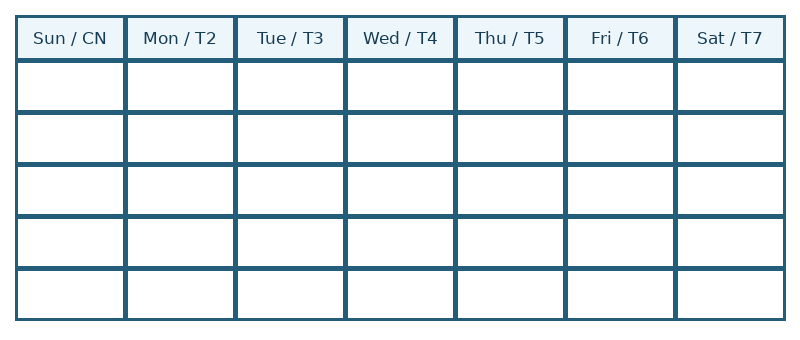
The 1st of February fell on a Tuesday some years ago. On which day of the week was the 1st of March in that same year? February had 28 days that year. You may use the calendar table to help.
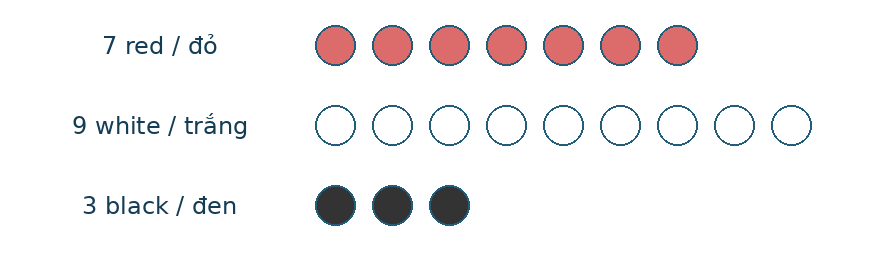
There are 7 red, 9 white and 3 black balls in a box. What is the minimum number of balls you have to take out to ensure you have at least 1 white ball?
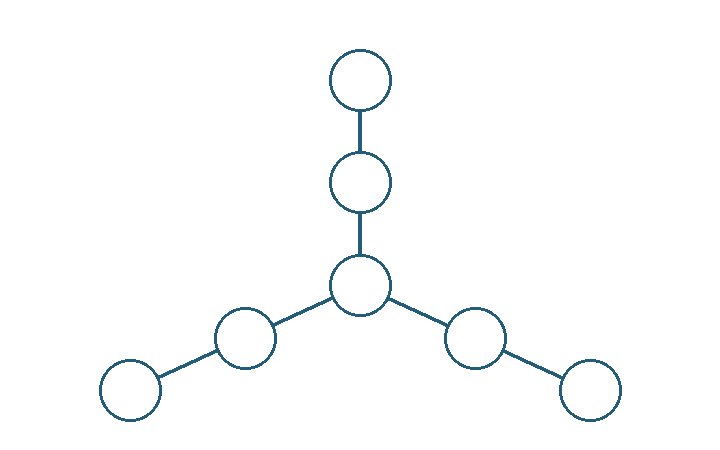
Fill the seven circles with the numbers 1 to 7 so that the sum along each of the three branches is 12. Use each number once. Each branch consists of the centre circle and its two outer circles. Give a complete arrangement, as in the original answer-sheet task.
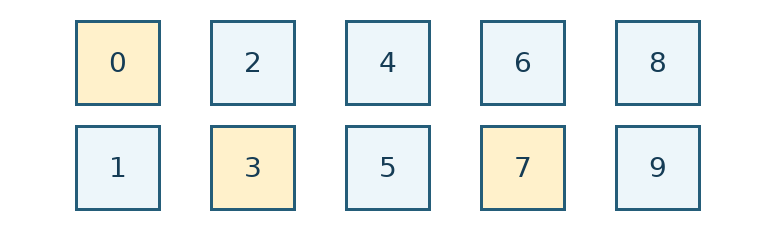
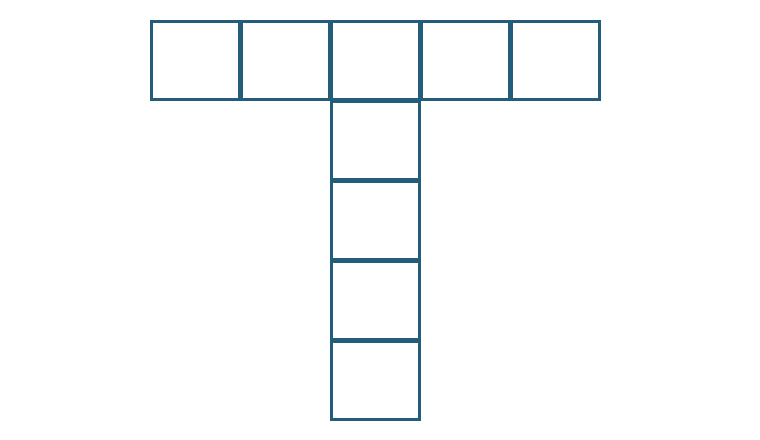
Put one of 1, 2, 3, 4, …, 8 or 9 in each square so that the sum of the numbers in the horizontal row equals the sum of the numbers in the vertical column. Give a complete arrangement.
The source does not explicitly state whether repetition is allowed. In this practice edition, use each of the numbers 1 to 9 exactly once. The task requires all nine entries and is marked manually.