Editorial self-study SET for 2027; not an official SASMO 2027 examination. Known source years remain in individual attributions. Time: 90 minutes. Platform scoring starts at 0: Q1–15 are worth 2 points each; Q16–25 are worth 4 points each; wrong and blank answers score 0; maximum 70. Official SASMO scoring instead starts at 15, deducts 1 for an incorrect Section A answer and has a maximum of 85. Verified means editorially checked; assumptions, source errors and mathematical uncertainty are disclosed where relevant.
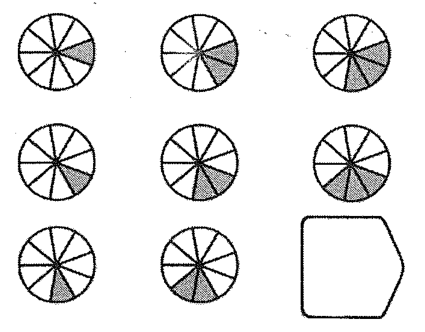
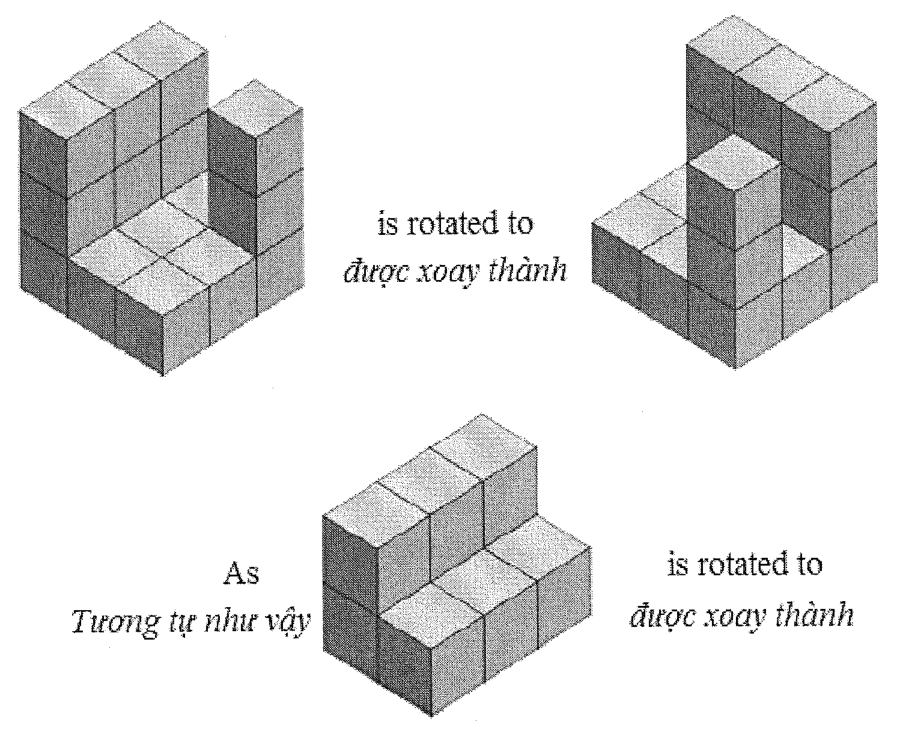
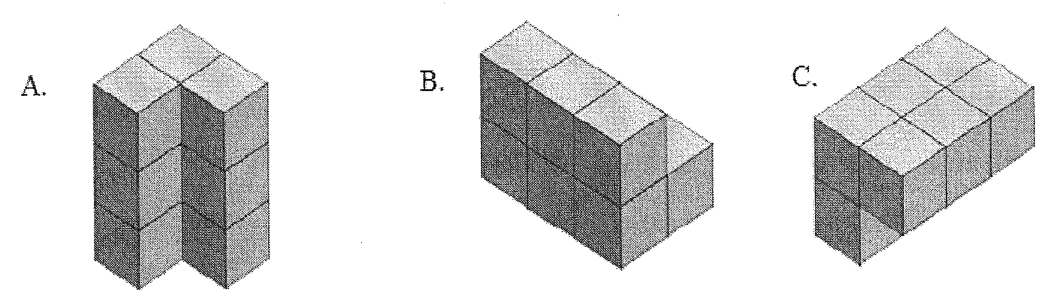
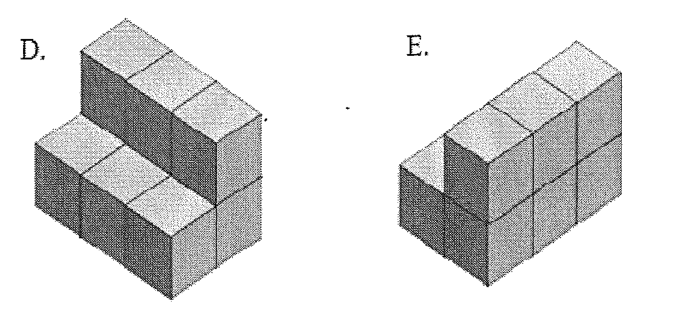
The shapes form a pattern. Observe carefully and draw the two missing shapes, or select the option showing them in the correct order. All original options A–E are pictured below.
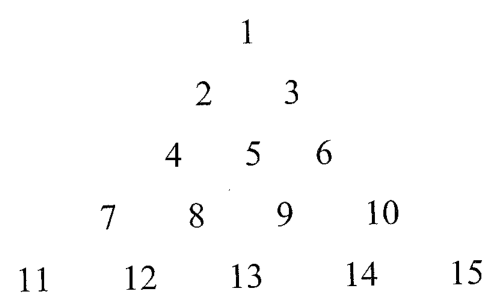
Look at the number triangle. The top row is row 1, each next row has one more number, and the positive integers continue in order. In which row is 2019?
Minh shares 7 whole bones equally between 2 dogs. How many bones does each dog get, and how many are left over? Another source calls the person Jenny; it asks the same two questions. Enter “bones per dog, bones left over”.
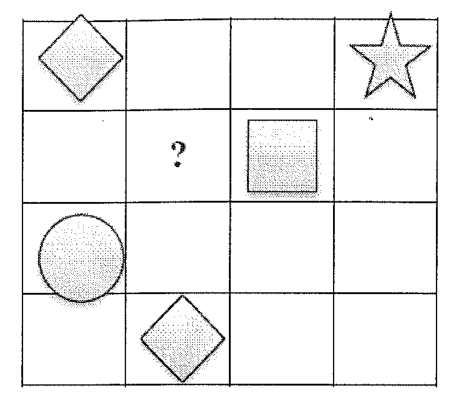
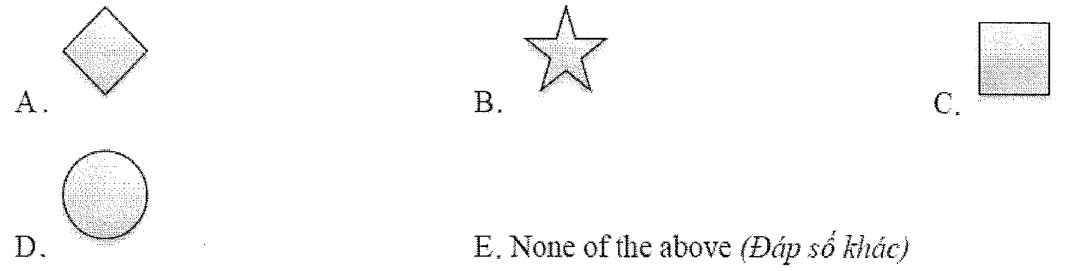
Fill the 4×4 grid using exactly four kinds of shapes: star, square, circle and diamond. No shape may repeat in any row or column. Which shape belongs at the question mark? The original paper offers A diamond, B star, C square, D circle, E other; the second source asks the same question without choices.
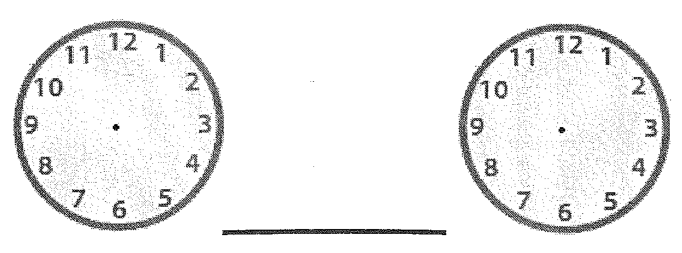
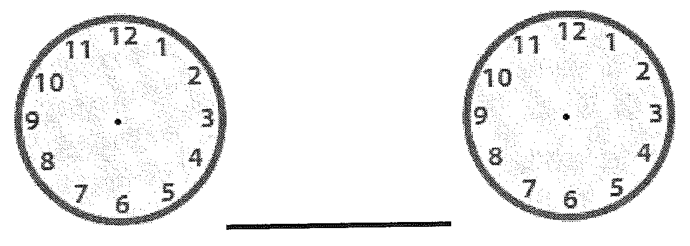
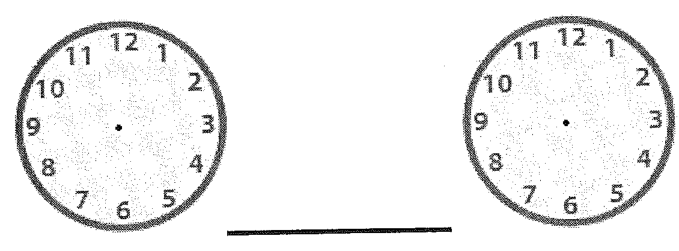
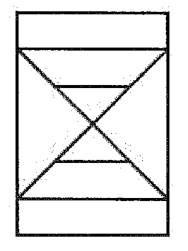
For each part, draw the starting and ending hands on the two blank clocks, then answer the question. You may describe the exact hand positions if drawing is unavailable. (a) Nancy takes part in the 12-mile Hunger Walk, starting at 3:00 p.m. and finishing at 5:20 p.m. How long is the walk? (b) A bicycle race starts at 3:10 p.m. and lasts 1 hour 40 minutes. When does it end? (c) A train leaves Ha Noi at 5:30 a.m. and arrives in Ho Chi Minh City at 4:10 p.m. How long is the trip? Give all three answers and all six clock positions. The three blank clock pairs below belong to(a),(b),(c), in that order.
For part(c), assume departure and arrival occur on the same day; the source does not specify a later arrival date.
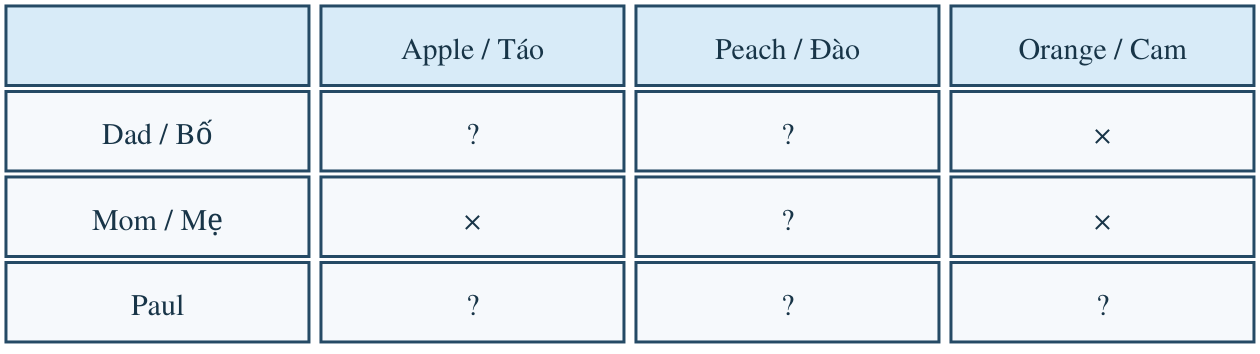
There are apples, peaches and oranges on the kitchen table. Each family member likes only one kind. Daddy does not like oranges. Mommy likes neither oranges nor apples. What is Paul’s favourite fruit? Enter the fruit name.
To make the source’s intended answer unique, assume the three people are Daddy, Mommy and Paul, and each prefers a different one of the three fruits. The original wording does not explicitly state that their favourite fruits are different.
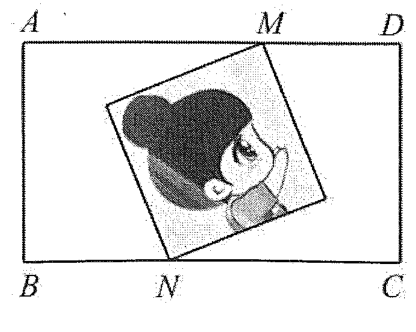
An 8 cm by 8 cm photograph is loose inside an 18 cm by 10 cm frame ABCD. The point M remains on AD and the point N remains on BC, as shown. The source asks: “What is the area, in square centimetres, of the region inside the frame which is never covered by the photograph?” Explain the wording issue and calculate the uncovered area at any one fixed position, assuming the whole photograph is inside the frame.
Wording caution: “never covered” during motion and “uncovered at one fixed position” are different questions. The source key does not resolve that distinction. This response is manually reviewed; explain the distinction as well as the fixed-position calculation.
Arrange 18 squares in a row and colour them black or white following the shown repeating pattern. How many more black squares than white squares are there?
Write the next three terms of each sequence: (a)0,77,7,71,14,65,21,59,28,…; (b)1,2,3,5,5,8,7,11,9,…; (c)0,20,3,18,6,16,9,… . Enter three comma-separated groups in order, separated by semicolons.
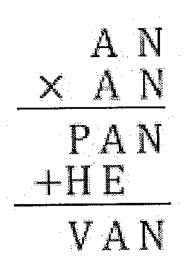
In the long multiplication shown, different letters represent different digits and a leading digit cannot be 0. Find the three-digit number VAN. Both occurrences show AN×AN, with partial products PAN and HE; HE is shifted one place left as in ordinary long multiplication.
The printed condition says all different letters have different digits, but the intended source calculation requires H and N to represent the same digit. For this exercise allow that single exception H=N; all other different letters remain different. Under the literal no-exception condition there is no solution.