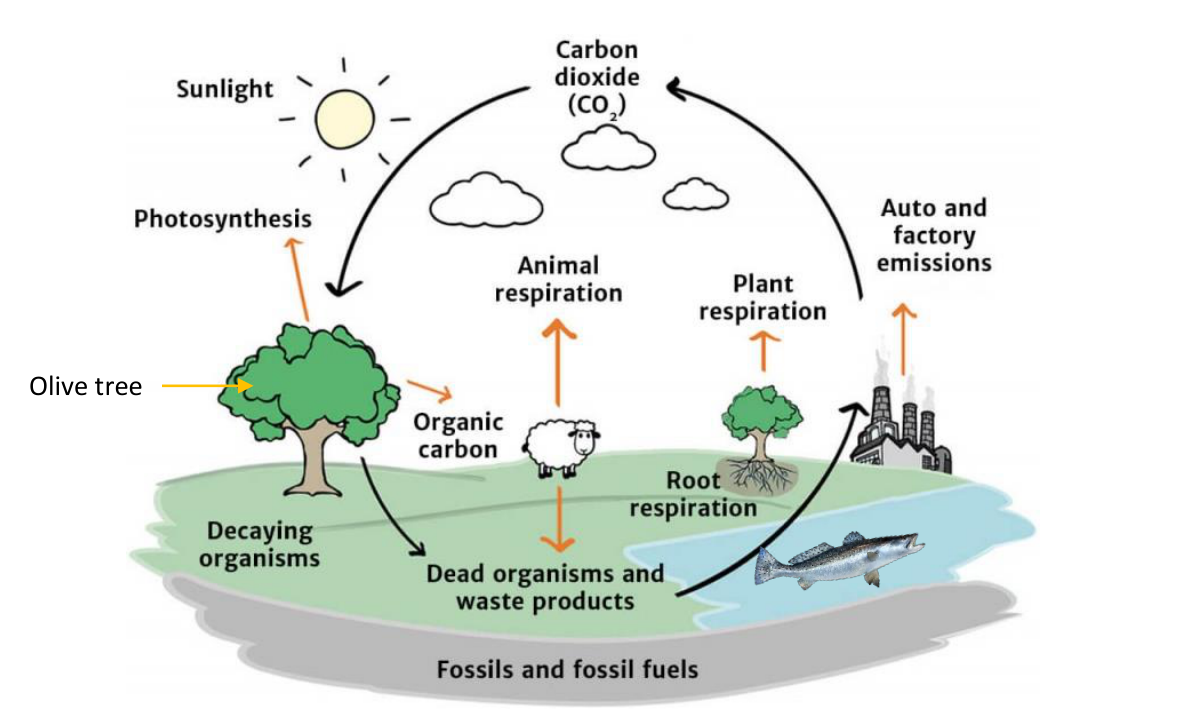
IMSO 2019 Science International - Theory I Next → Use the figure showing an element cycle in nature. The figure represents the cycle of which element?
Carbon
Hydrogen
Nitrogen
Water
Use the same cycle figure. Which organism can absorb solar energy and transfer it into the ecosystem?
Animals
Fish and olive tree
Human
Plants
Use the cycle figure. Which gas do olive trees use for making food and growing new plant parts?
CO₂ — carbon dioxide
N₂ — nitrogen
O₂ — oxygen
SO₂ — sulfur dioxide
Use the cycle figure. Which factor provides gasoline for most vehicles in the world?
Dead organisms and waste products
Fossils
Fossil fuels
Sunlight
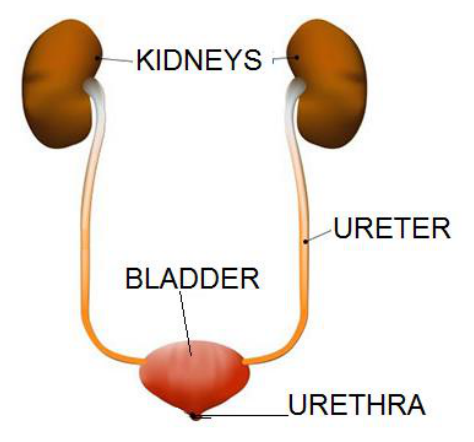
The human urinary system consists of kidneys, ureters, urinary bladder and urethra. It filters blood and eliminates waste in urine. Which structure stores urine until it is excreted?
Bladder
Kidneys
Ureter
Urethra
Which food is mostly chemically digested in the stomach?
Butter
Chicken meat
Fruits
Rice
A person holds a book in their hand for 20 minutes. Which muscle tissue contracts and generates the force needed to hold the book?
Cardiac muscle tissue
Skeletal muscle tissue
Smooth muscle tissue
None of the above
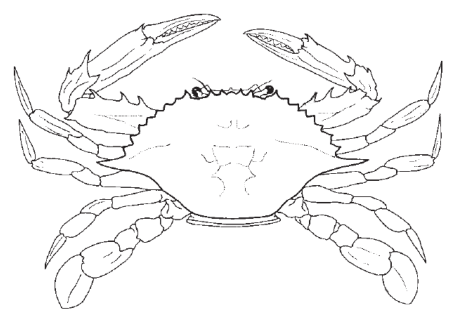
Marine swimming crabs breathe underwater using gills, yet may survive out of water for hours or a few days. How do they stay alive out of water?
They breathe through their gills by keeping them moist
They breathe through lungs
They hold their breath until returning to water
They use oxygen stored in the blood
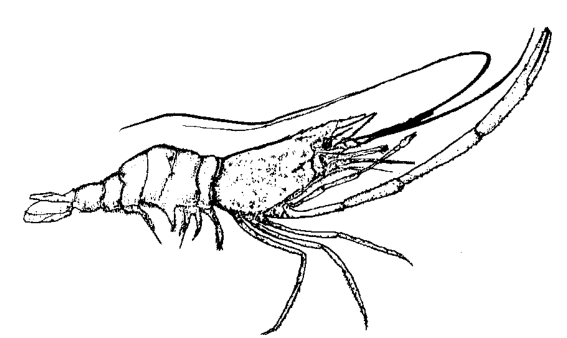
A freshwater prawn of genus Macrobrachium has five pairs of pereiopods (thoracic legs). The first two pairs form chelipeds; the other three walking-leg pairs have seven segments. How many segments does a cheliped have?
3 segments
5 segments
7 segments
8 segments
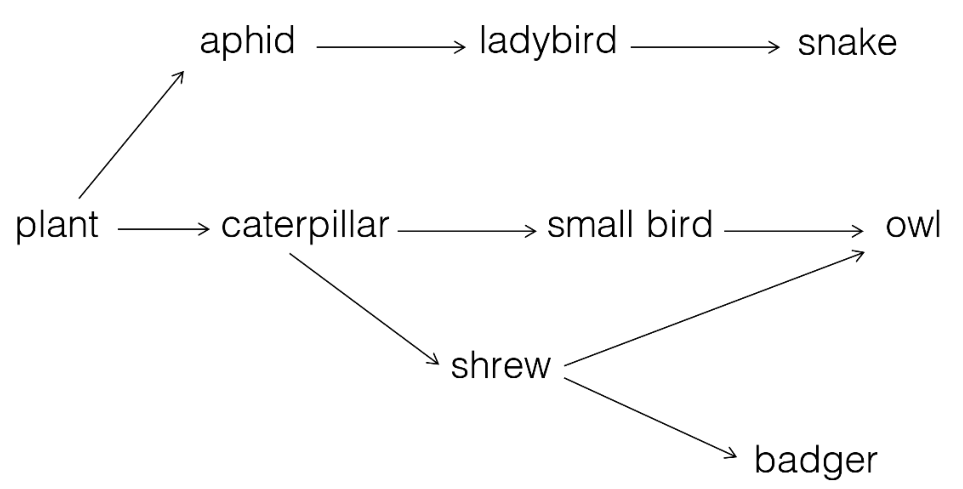
The diagram shows a forest food web. How many secondary consumers are there? Arrows run from food to consumer.
2
3
4
5
A residential area discharges untreated sewage into a lake. The pollution causes which change?
Decrease in carbon dioxide concentration
Decrease in dissolved nitrate concentration
Decrease in number of bacteria
Decrease in oxygen concentration
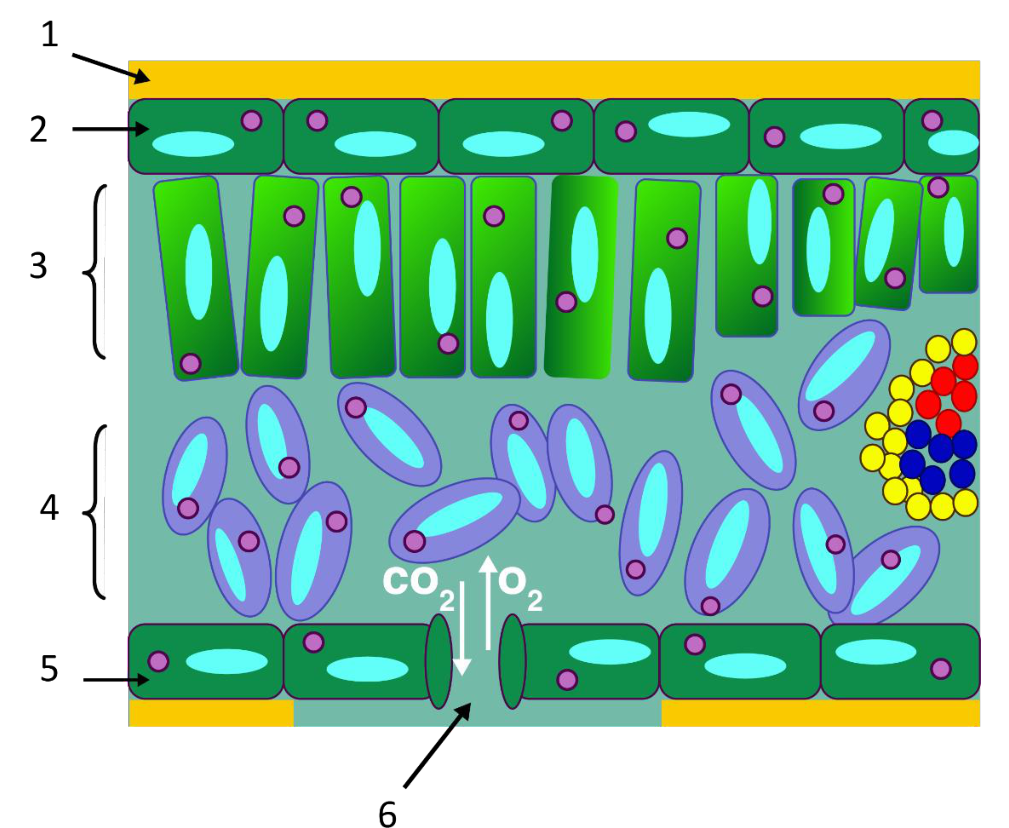
The diagram shows a typical leaf cross-section. Which group of labelled structures contains chloroplasts?
A. 1, 2 & 3
B. 2, 3 & 4
C. 3, 4 & 5
D. 4, 5 & 6
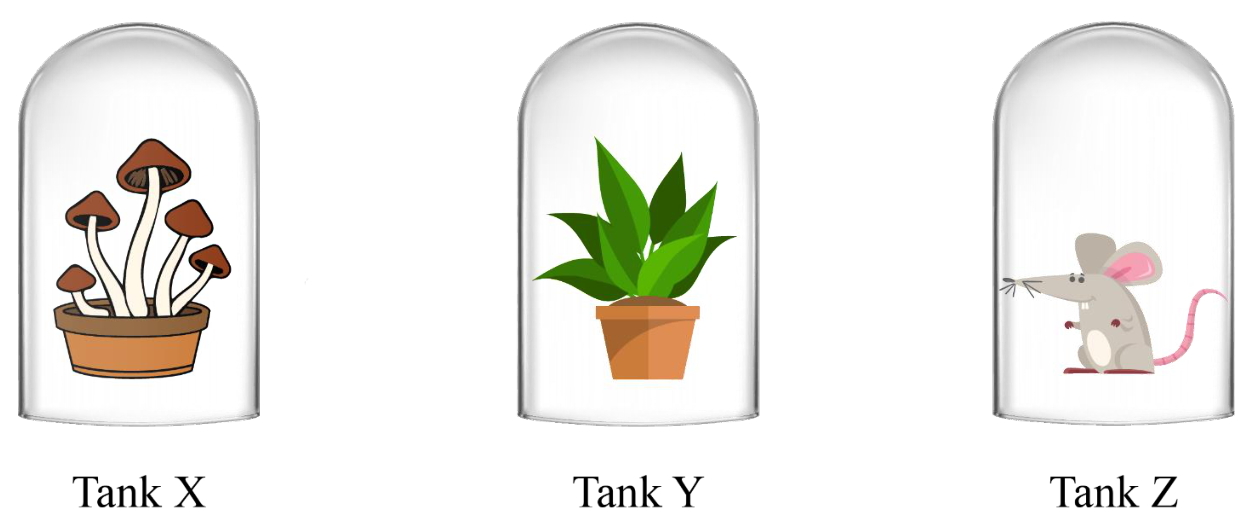
Three sealed glass tanks stand outside on a sunny day for twelve hours: X contains mushrooms, Y a green plant, Z a mouse. Which option correctly describes changes in carbon dioxide and oxygen?
X: CO₂ ↑, O₂ ↓; Y: CO₂ ↓, O₂ ↑; Z: CO₂ ↑, O₂ ↓
X: CO₂ ↑, O₂ ↑; Y: CO₂ ↓, O₂ ↓; Z: CO₂ ↓, O₂ ↓
X: CO₂ ↓, O₂ ↑; Y: CO₂ ↓, O₂ ↑; Z: CO₂ ↑, O₂ ↓
X: CO₂ ↓, O₂ ↓; Y: CO₂ ↓, O₂ ↑; Z: CO₂ ↑, O₂ ↓
Which organ system in the human body has the highest ratio of dry mass?
In dengue infection, fever can occur. Which is NOT a response occurring while the body is raising its temperature?
Constriction of blood vessels under skin
Increased metabolic rate
Shivering
Sweating
A person moves from a delta to a mountain above 2000 m. After several weeks, which blood index increases most noticeably?
Plasma volume
Number of platelets
Number of red blood cells
Number of white blood cells
Food contains sugars such as glucose, fructose, sucrose, maltose, lactose, galactose and saccharose. Which set contains sugar in all its components?
Which sentence best describes the components of human blood?
Red blood cells, white blood cells, green blood cells and plasma
Only red blood cells, white blood cells and platelets
Red blood cells, white blood cells, platelets and serum
Red blood cells, white blood cells, platelets and plasma
Which molecule is modified to generate a genetically modified organism (GMO)?
Carbohydrate
Deoxyribonucleic acid
Lipid
Protein
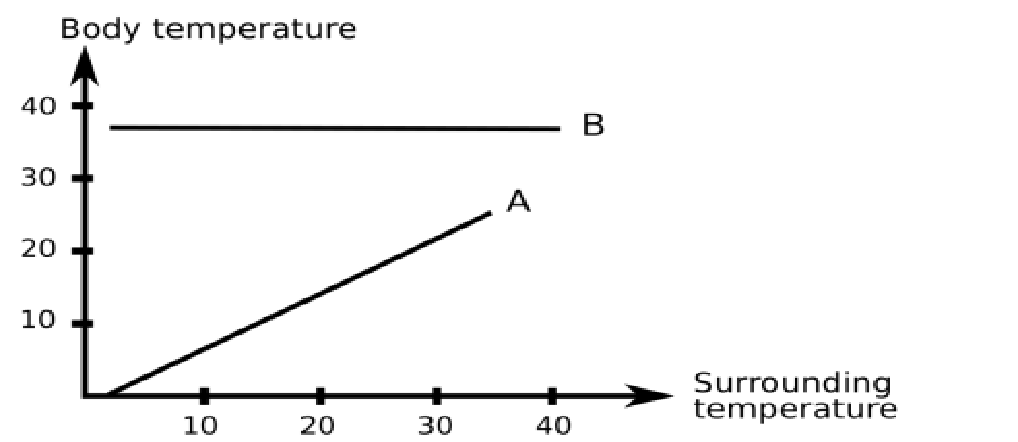
The graph relates animal body temperature to surrounding temperature. What are animals A and B, respectively?
A. Panda, salamander
B. Shark, rat
C. Snake, crane
D. Turtle, chameleon
Next →