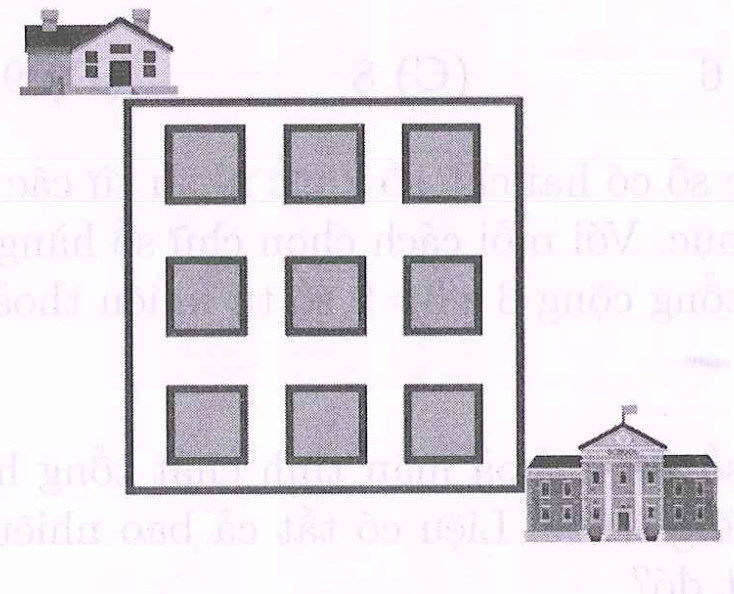
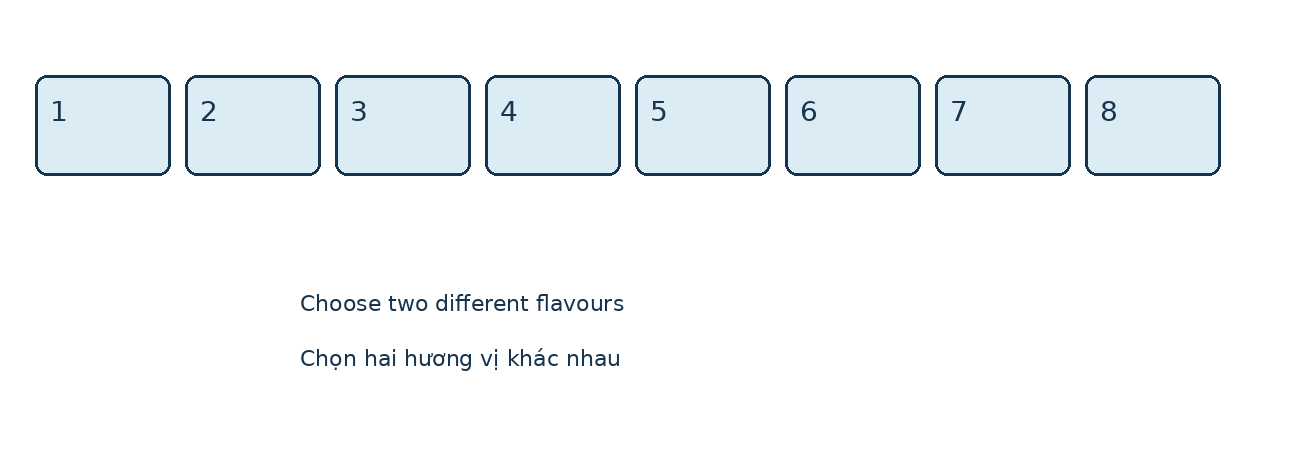
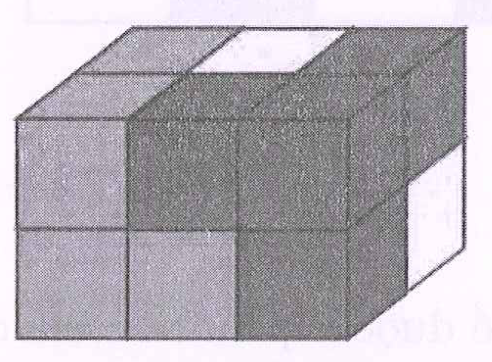
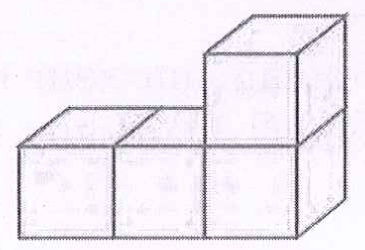
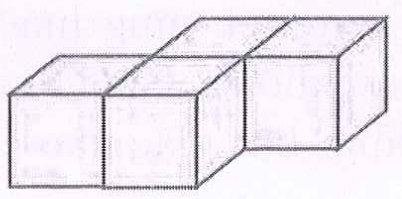
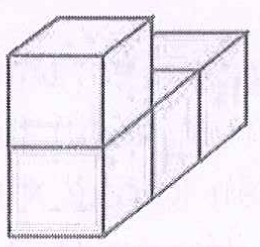
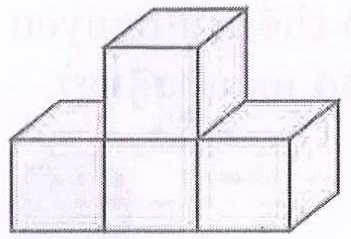
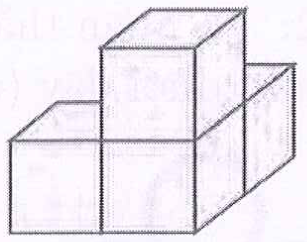
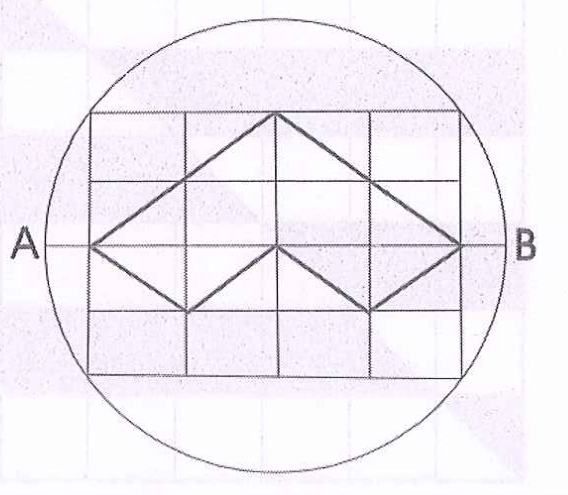
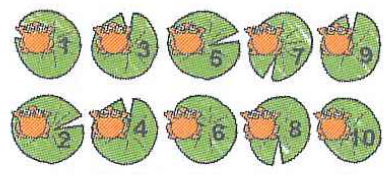
A pond contains clusters of lily pads, with one frog on each pad. Pads in the same cluster may or may not be adjacent. In Figure 1, pads 2, 4, 6, 8 are adjacent to pad 5. At a thunderclap, each frog jumps to one adjacent pad in its own cluster; for example frog 5 can jump only to 2, 4, 6 or 8. Several frogs may land on one pad. First examine the four-pad cluster in Figure 2 and find the greatest number of empty pads.
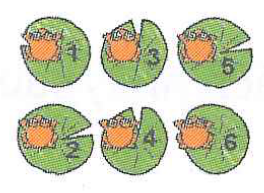
1. For the six-pad cluster shown, find the least number of occupied pads and hence the greatest number of empty pads.
2. For the ten-pad cluster, find the greatest number of empty pads.
3. For the fifteen-pad cluster, find the greatest number of empty pads.
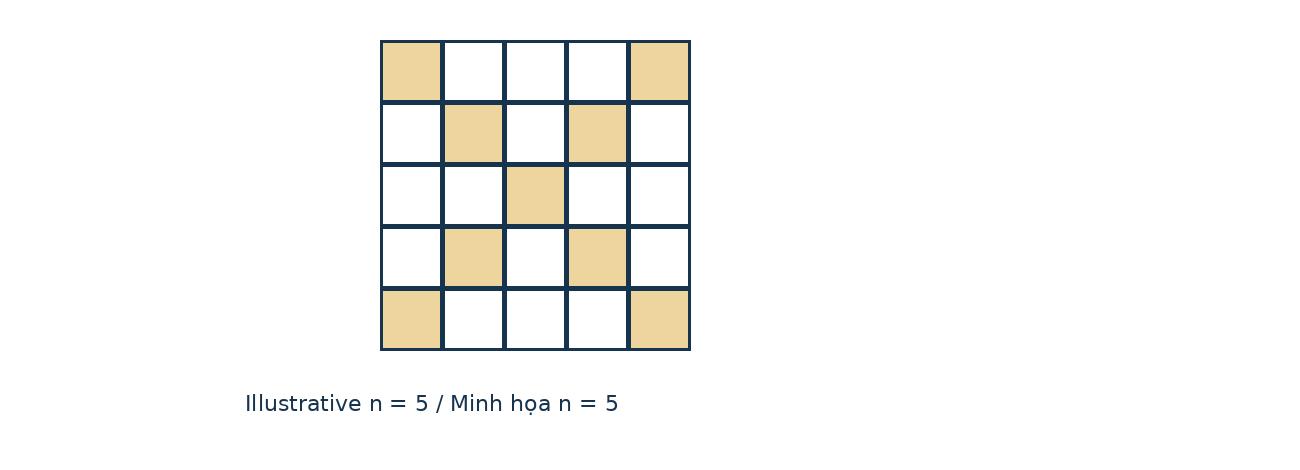
4. For the twenty-five-pad cluster, find the greatest number of empty pads.
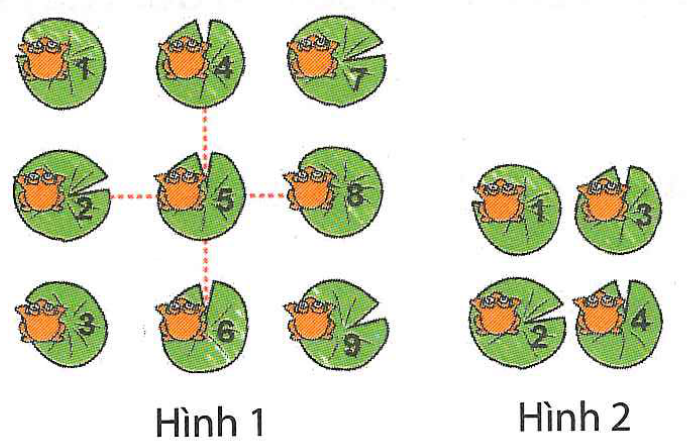
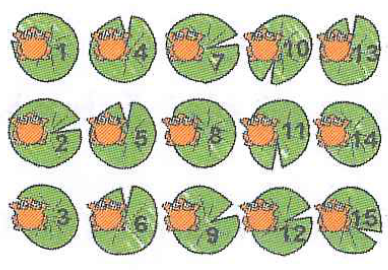
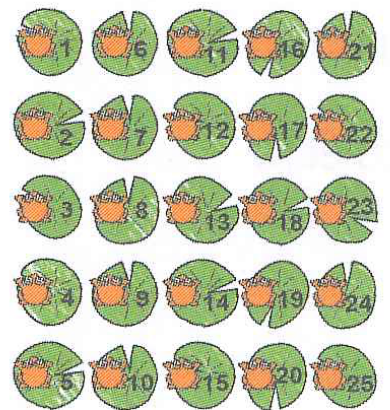
Neighbour convention: only immediately horizontal or vertical pads are adjacent, matching Figure 1; diagonal jumps and staying in place are excluded.