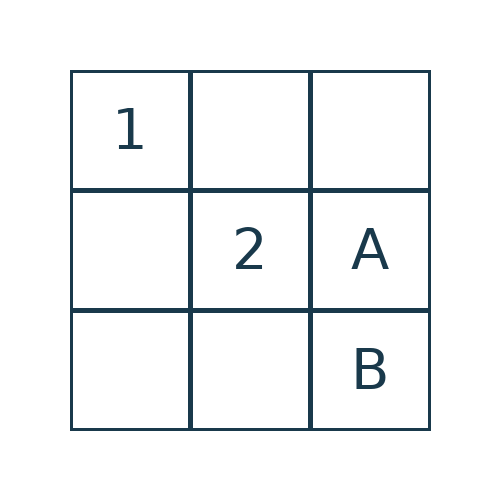
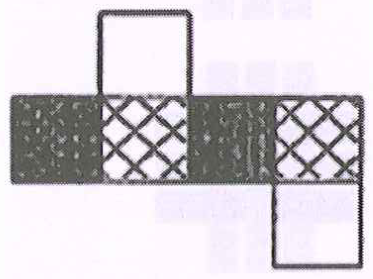
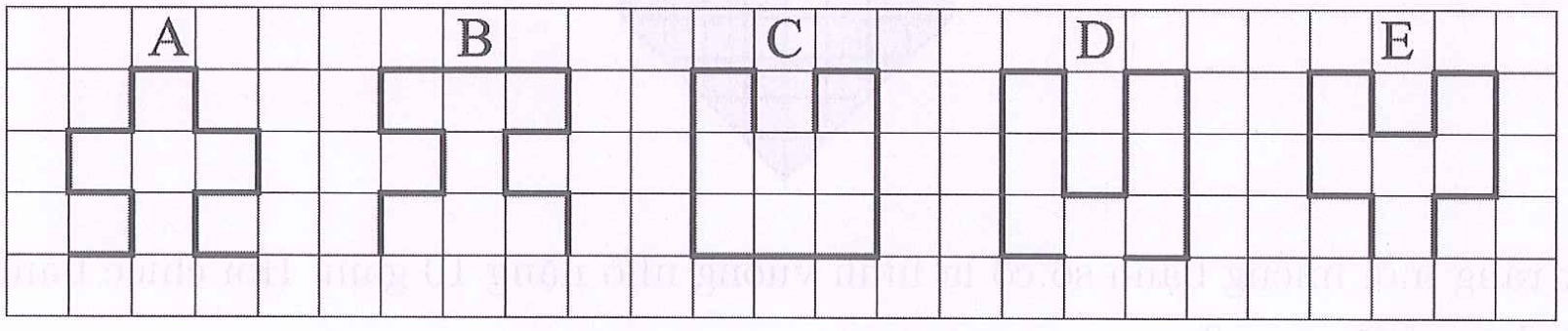
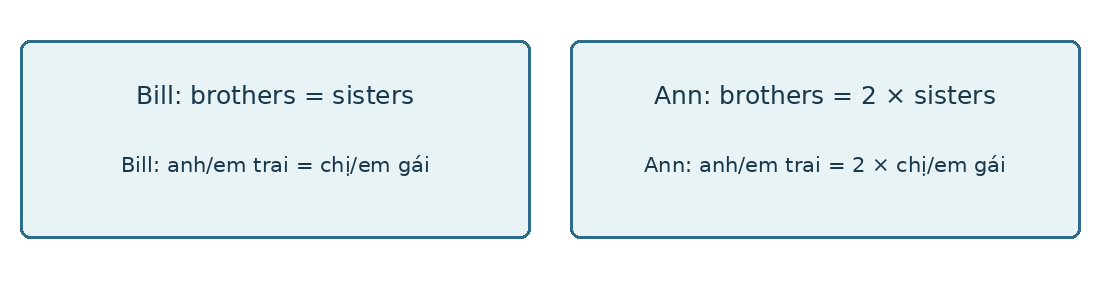
Loes fills the numbers 1, 2 and 3 into the 3 × 3 grid shown so that each row and each column contains all three numbers. What is the sum of the numbers in cells A and B?
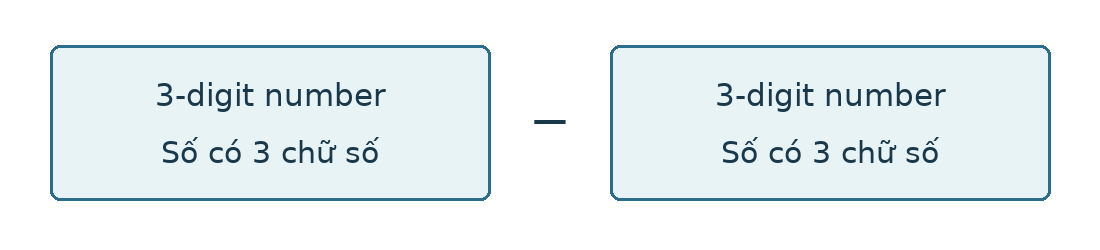
Steven writes each of the digits 2, 0, 1 and 9 into one of the four boxes below. He wants the resulting sum to be as large as possible. Which digit can go in the box with the question mark?
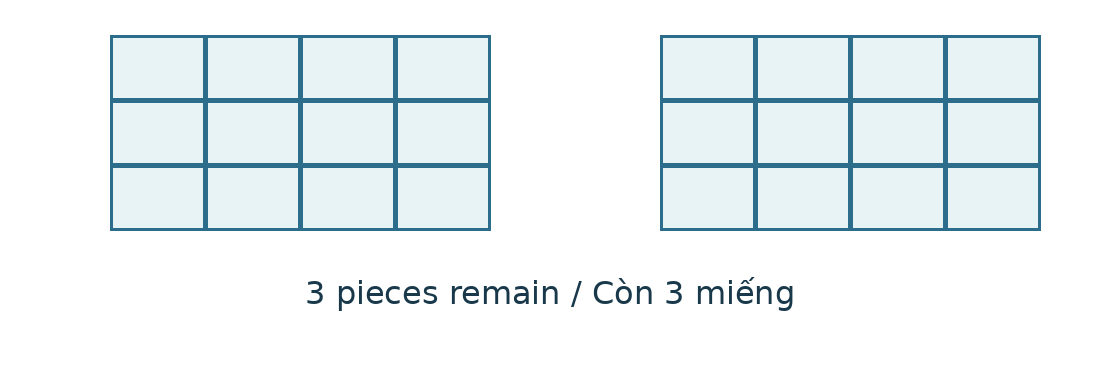
There are two cakes at a party. Each cake is cut into four equal parts, and each of those parts is cut into three equal pieces. If every guest eats one piece, three pieces remain. How many guests are at the party?
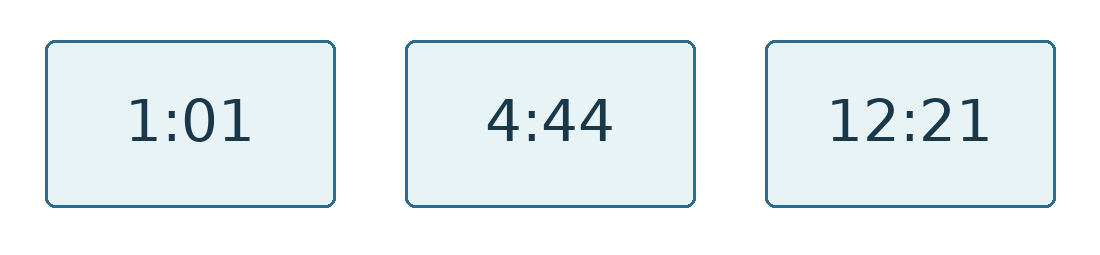
A palindrome is a natural number that reads the same from left to right and from right to left. A digital clock shows some times whose digits form a palindrome, for example 1:01, 4:44 and 12:21. How many such times does the clock show during a day?
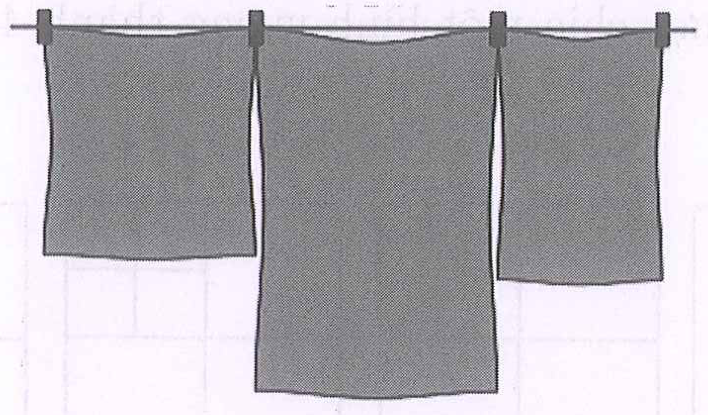
Ann hangs towels on a washing line as shown, using as few pegs as possible. In the example, four pegs hold three towels. How many pegs does she need for nine towels hung in the same way?
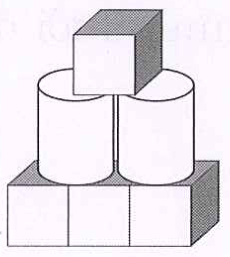
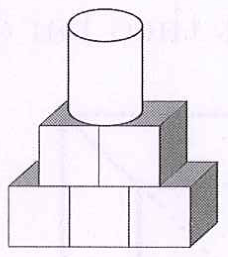
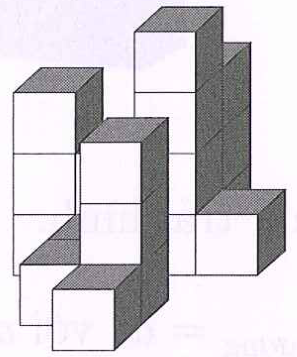
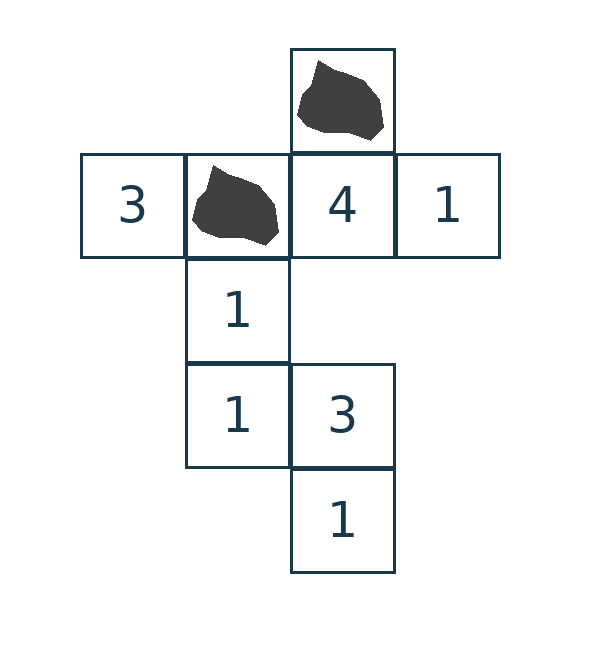
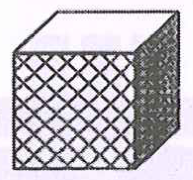
A group of cubes is stacked as shown. The grid on the right gives the number of cubes in each column, but ink covers some entries. What is the sum of the digits hidden by the ink?
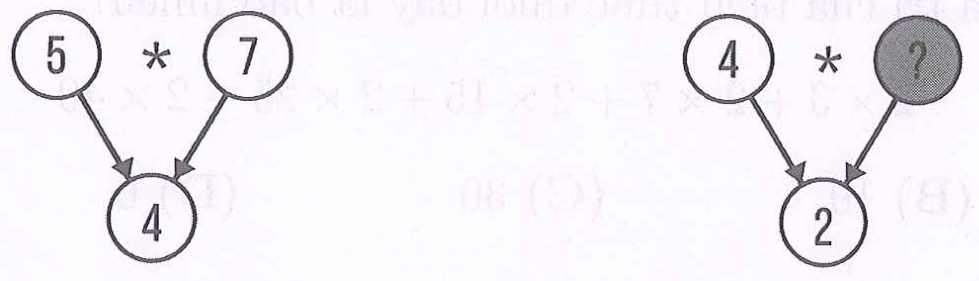
The symbol ∗ means “add the two numbers, then divide by 3”. For example, 5 ∗ 7 = (5 + 7) ÷ 3 = 4, as shown on the left. Which number belongs in the grey circle on the right?
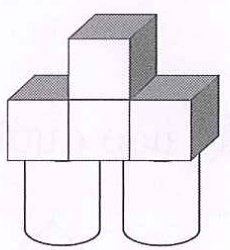
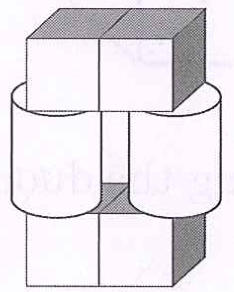
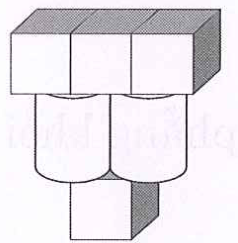
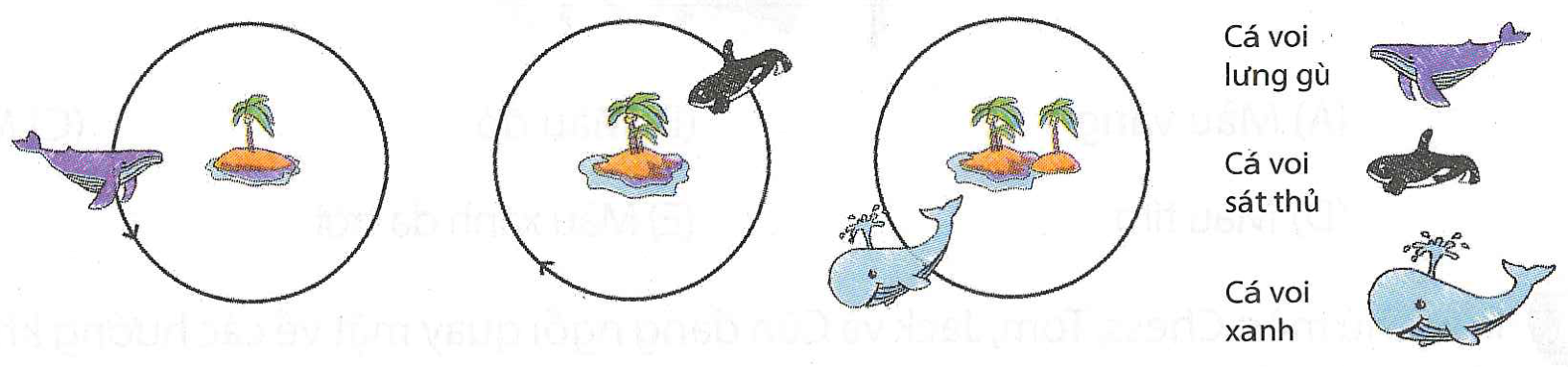
Three whales swim around three islands as shown. Each swims in a circle around one island, always facing either towards its centre or outwards. Which whales can see all three islands?
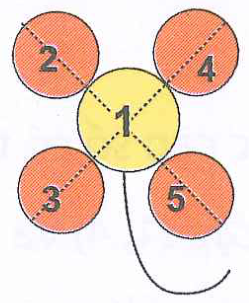
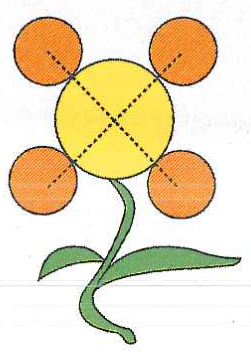
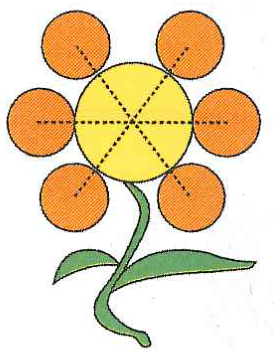
Peter Pan takes the three siblings Wendy, John and Michael to Neverland. There are flowers with different numbers of petals: four, six, and so on. Strangely, the orange petals and yellow centre are all circles. Each circle contains a secret number, and every straight line through two petals and the centre has the same total. The pictured four-petal flower is an example: each line totals 8, since 2 + 1 + 5 = 8 and 3 + 1 + 4 = 8.
The numbers appear only when Peter touches them, so the siblings do not yet know the secret numbers. Peter promises to teach them to fly if they can find the numbers at the flower centres. They eagerly answer his hints.
1. Peter points to a four-petal flower that will contain 1, 2, 3, 4 and 8. Wendy answers these questions:
– Which pairs among these numbers have equal sums?
– Which number is absent from those pairs? Hence, which number can be in the centre?
2. Michael and John choose a six-petal flower containing 1, 2, 3, 4, 5, 6 and 7. Which numbers can be at its centre?
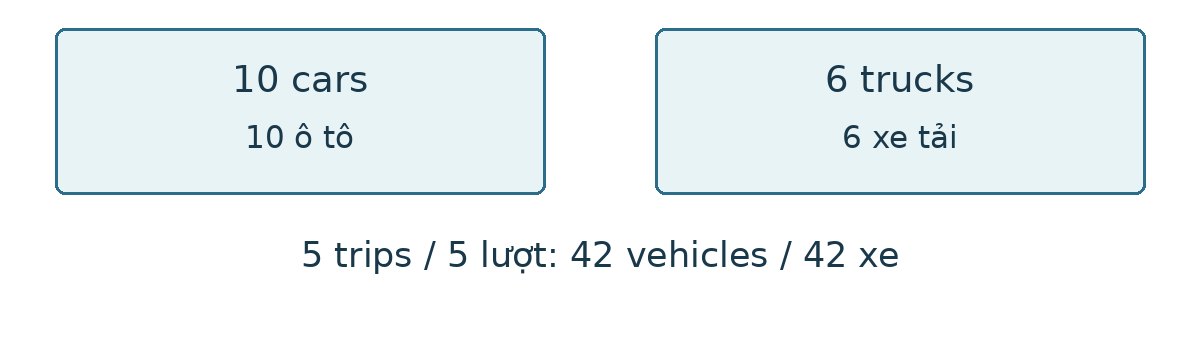
A ferry can carry ten cars or six trucks across the river on each trip. On Wednesday it crosses five times and transports 42 vehicles in total. How many cars does it transport?
Editorial task: find the intended result under full, single-type loads, then determine whether the original wording forces it. Give a counterexample if it does not.
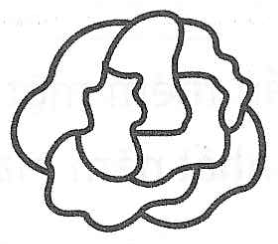
Lika draws the cabbage shown. She colours its leaves so that no two neighbouring leaves have the same colour. What is the smallest number of colours she needs?
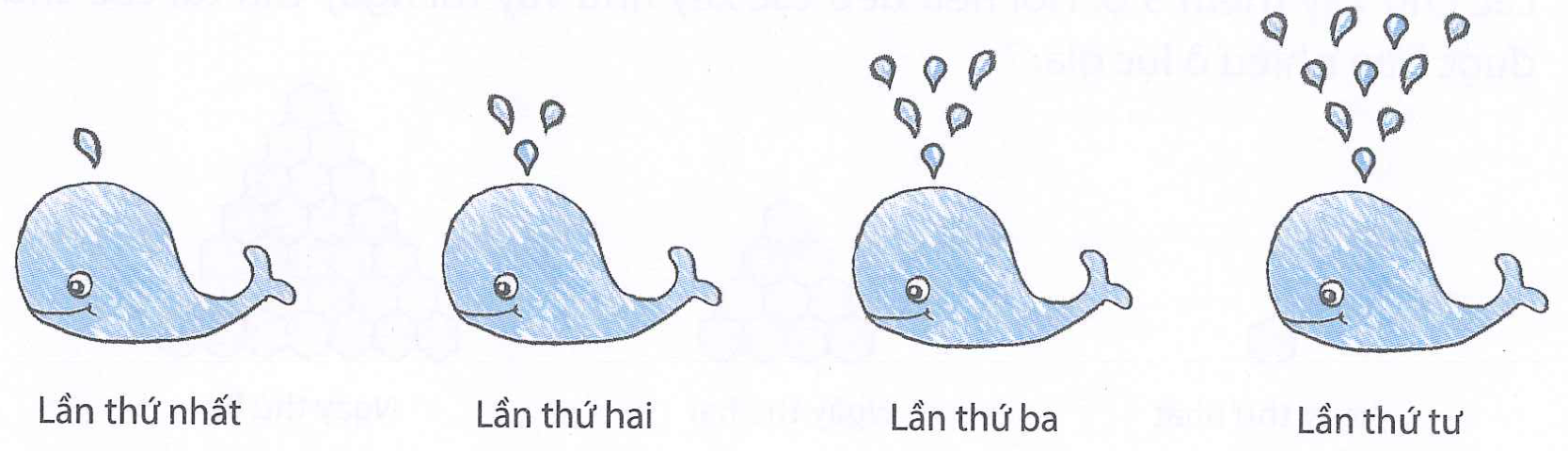
Playful Whaley sprays drops of water into the air as shown. The number changes according to a rule. How many drops does he spray on the seventh occasion?