Skip to content / Đến nội dung
ThichHocToan.com

PIMSO 2023 - Science - Primary 6 - National Round

Question 1

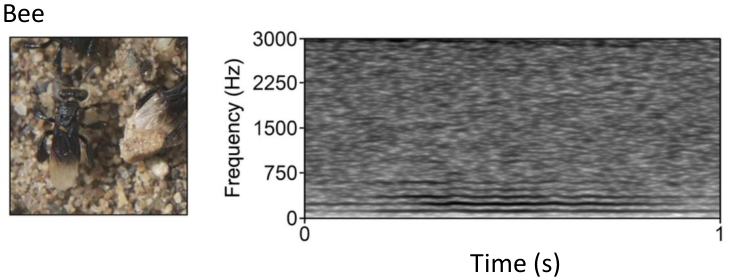
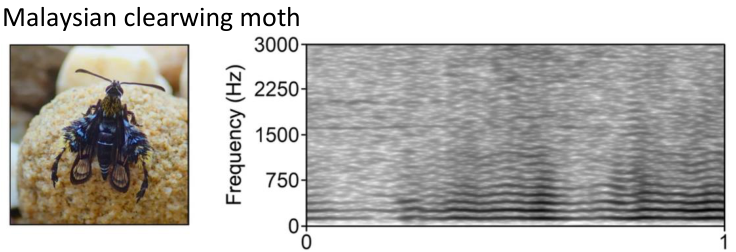
It was discovered that the Malaysian clearwing moth, which is a harmless moth, produces a similar buzz or sound to the bees located in the same location. What kind of adaptation is observed in the Malaysian clearwing moth?

Question illustration

Question illustration
  1. Batesian mimicry
  2. Müllerian mimicry
  3. Camouflage
  4. Parasitism
  5. Competition

Question 2

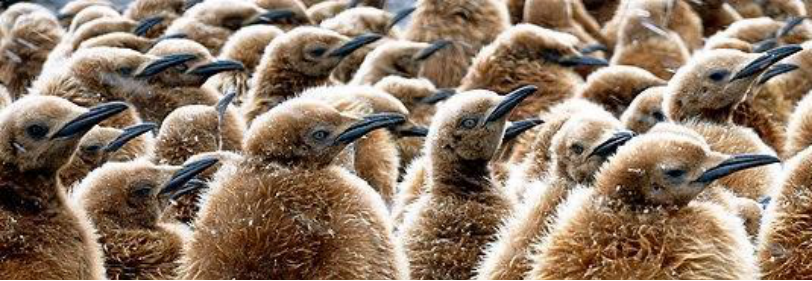
The following image shows which level of biological organization?

Question illustration
  1. Community
  2. Ecosystem
  3. Organism
  4. Biosphere
  5. Population

Question 3

What causes stroke?

Editorial note: Identify a cause of ischemic stroke; the stem is not an exhaustive account of all strokes.
  1. Suffocation or lack of oxygen supply
  2. Abnormal increase in blood flow towards the brain
  3. Blood clot in the arteries supplying the brain
  4. Inflammation in the brain
  5. Traumatic injury in the brain

Question 4

Which of the following hormones is necessary for water regulation?
  1. Statin
  2. Renin
  3. Ghrelin
  4. Melatonin
  5. Erythropoietin

Question 5

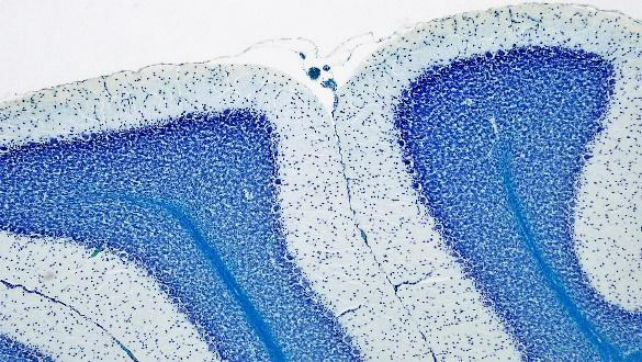
A doctor observes a tissue sample taken from the patient under the microscope. Which body organ would the tissue be obtained from?

Question illustration
  1. Skin
  2. Small intestine
  3. Kidney
  4. Brain
  5. Bone

Question 6

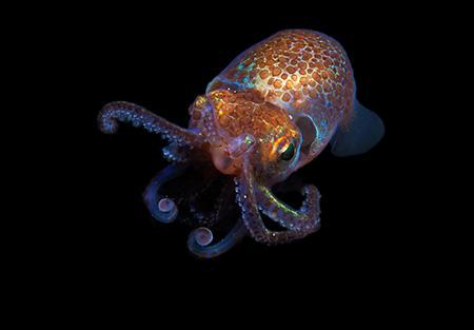
The Hawaiian bobtail squid glows in the dark due to a phenomenon called “bioluminescence”. However, this is not caused by the squid itself, but by microorganisms growing inside the squid. What kind of microorganism causes this bioluminescence?

Question illustration
  1. Algae
  2. Bacteria
  3. Viruses
  4. Fungi
  5. Protozoan

Question 7

A 5.0 g cork was found to float in an unknown liquid. The liquid has volume 50 mL. In the same liquid, a piece of stone weighing 20.0 g sinks. Arrange the three objects according to increasing density:
  1. cork < liquid < stone
  2. cork < stone < liquid
  3. stone < liquid < cork
  4. liquid < stone < cork
  5. liquid < cork < stone

Question 8

Some rubbing alcohols that you use on your hand to kill bacteria contain ethanol. Ethanol is made up of carbon, oxygen, and hydrogen. In an experiment, a chemist determined that 160 g of ethanol contains 83 g of carbon and 56 g of oxygen. How much hydrogen is in the sample of ethanol?

Editorial note: Use the supplied mass-balance data, which are rounded rather than exact pure-ethanol composition.
  1. 83 g
  2. 56 g
  3. 160 g
  4. 21 g
  5. cannot be determined from the given information

Question 9

Distillation separates mixtures according to differences in what property of its components?
  1. boiling point
  2. density
  3. particle size
  4. volume
  5. none of the above

Question 10

Temperature may affect the volume occupied by matter. Which phase/s of matter would increase its volume when heated?

Editorial note: Assume ordinary thermal expansion with freedom to expand; exceptions are discussed in the explanation.
  1. solid
  2. liquid
  3. gas
  4. liquid and gas
  5. solid, liquid, and gas

Question 11

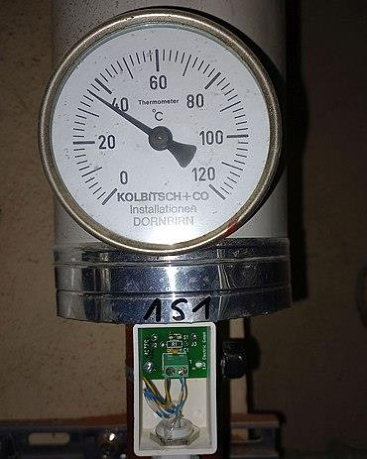
The device below measures what property?

Question illustration
  1. hotness or coldness of matter
  2. space occupied by matter
  3. amount of matter
  4. color
  5. texture

Question 12

In the early 20th century, Marie and Pierre Curie were working on radioactivity of pitchblende, known by then to contain the element uranium. However, they found anomalous trace quantities of another material that were much more radioactive than uranium. After labouring for several months, exhausting all physical and chemical processes to extract and purify the material, they were able to make measurements of its physical properties. This was a sign that they discovered a new:
  1. element
  2. compound
  3. phenomenon
  4. property
  5. state of matter

Question 13

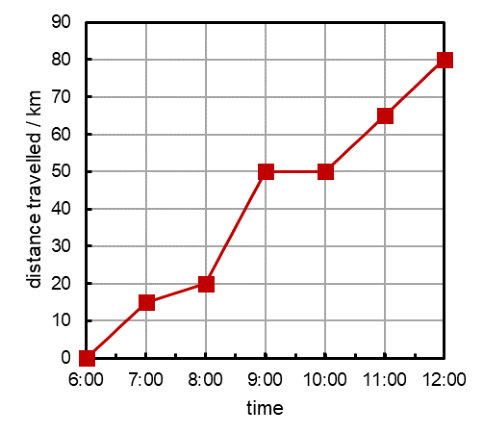
A ship leaves Manila bay at 6:00. Shown below is the distance travelled by the ship over time.

When is the ship travelling the SLOWEST?

Question illustration

Editorial note: For the retained key, “travelling” excludes the interval when the ship is stopped.
  1. From 7:00 to 8:00
  2. From 8:00 to 9:00
  3. From 9:00 to 10:00
  4. From 10:00 to 11:00
  5. From 11:00 to 12:00

Question 14

Refer to the previous question. What is the average speed of the ship over the recorded duration of the trip?

Question illustration
  1. 15 km/hr
  2. 16 km/hr
  3. 80 km/hr
  4. 50 km/hr
  5. None of the above

Question 15

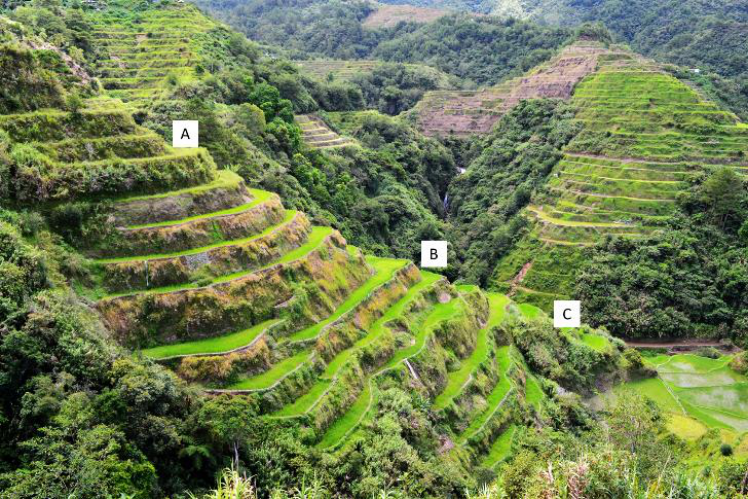
The Banaue Rice Terraces is a famous Philippine landmark. Built over a thousand years ago, the terraces allowed to grow rice even on mountains. On which part of the rice terraces would you have the highest kinetic energy?

Question illustration

Original choices:
A. A
B. B
C. C

Editorial review: explain whether the source supports one unique answer.

Question 16

You hear sound because of vibrations in air detected by your ears and sent to your brain as electrical signals. Because of this, sound is not an entirely different form of energy. Sound is actually what kind of energy?
  1. potential energy
  2. mechanical energy
  3. chemical energy
  4. electrical energy
  5. heat

Question 17

Which property of material refers to their capacity to absorb thermal energy?
  1. heat capacity
  2. thermal conductivity
  3. heat storage
  4. storage capacity
  5. none of the above

Question 18

Which of the following is NOT accelerating?

Editorial note: Use the intended model: the cruising plane moves in a straight line at constant speed; the raindrop has not reached terminal speed.
  1. an airplane flying at its maximum speed 900 km/hr
  2. an airplane starting to lift off
  3. a drop of rain falling
  4. a jeepney stopping for passengers
  5. none of the above

Question 19

Which of the following statements accurately describes the solstices?

Editorial note: Interpret the highest/lowest point as an annual seasonal extreme, not a daily noon maximum; the wording is simplified.
  1. The solstices occur when the Earth is closest to the Sun.
  2. The solstices mark the beginning of spring and autumn.
  3. During the solstices, the length of daylight is the same everywhere on Earth.
  4. The solstices occur when the Sun is at its highest or lowest point in the sky.
  5. None of the above

Question 20

At which location on Earth do objects not cast any shadow at noon on a specific day?

Original choices:
A. Equator
B. North Pole
C. Tropic of Cancer
D. Arctic Circle
E. None of the above

Editorial review: explain whether the source supports one unique answer.