Which of the following phenomena is an example of divergent evolution?
Editorial review: assess whether any choice demonstrates divergence rather than merely shared ancestry.
Original choices:
A. Egg-laying between birds and platypus
B. Echolocation between bats and dolphins
C. Patagium between flying lemurs and flying squirrels
D. Fins between fishes and whales
E. Bioluminescence between jellyfishes and squids
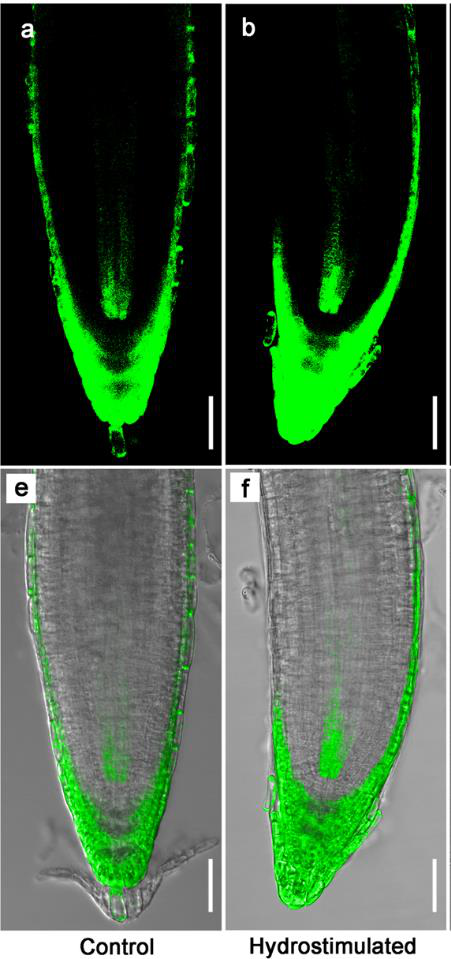
Hydrotropism is the phenomenon in which the plant root tip moves towards a higher water gradient. It was then discovered that a certain hormone, labeled by green fluorescence, distributes opposite from the water stimulus in the plant root tip of Arabidopsis thaliana, hence playing a significant role in hydrotropism. Which hormone is it? Reference: Chang J, Li X, Fu W, Wang J, Yong Y, Shi H, Ding Z, Kui H, Gou X, He K, Li J. Cell research. 2019 Dec;29(12):984-93.
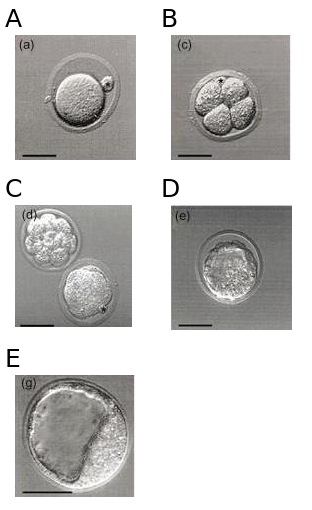
Gastrulation is the stage in embryogenesis wherein the blastula reorganizes and transforms into three-layered gastrula. The three germ layers then become the progenitors of the different organs of the body. Which of the following organs is not derived from the endoderm layer?
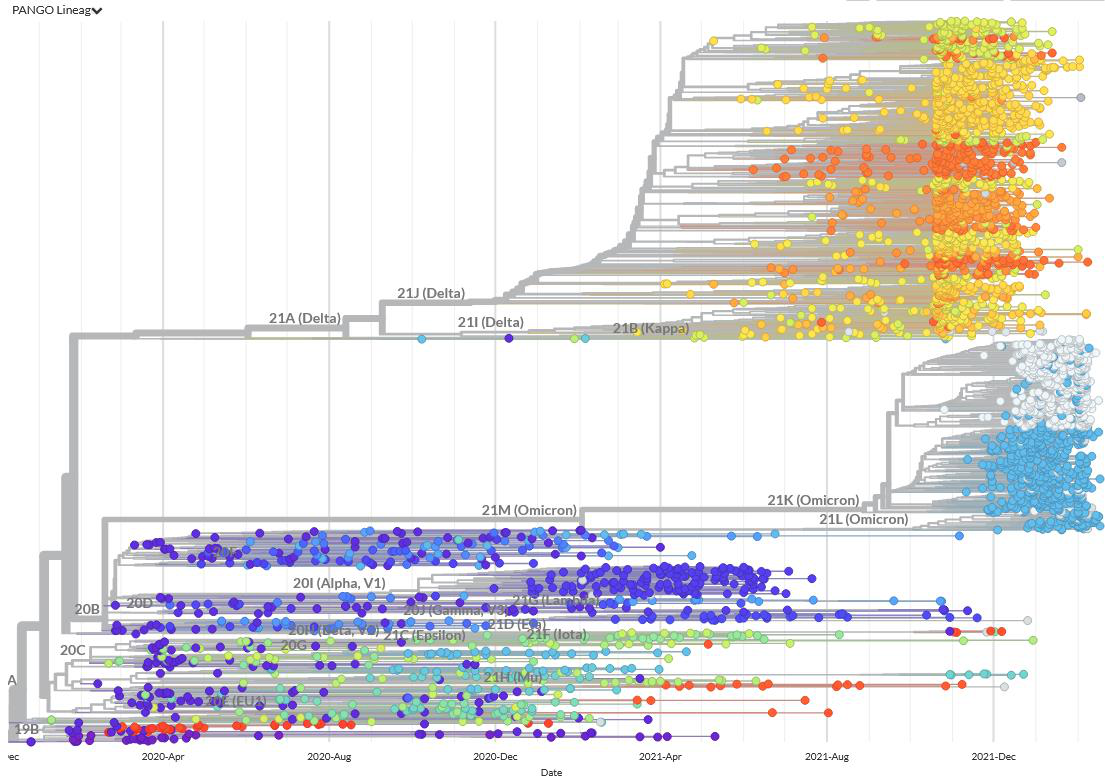
The following graph shows the phylogenetic tree of representative genomic sequences of SARS-CoV-2 variants worldwide. Which of the following statements is not true regarding the variants, as demonstrated by the tree? Reference: Hadfield J, Megill C, Bell SM, Huddleston J, Potter B, Callender C, Sagulenko P, Bedford T, Neher RA. Nextstrain: real-time tracking of pathogen evolution. Bioinformatics. 2018 Dec 1;34(23):4121-3.
Historical scope: use the ancestry shown in this source snapshot. Its sampling is not a complete global prevalence survey.
The Omicron variant evolved from the Delta variant.
The Omicron variant has currently two subvariants.
The Omicron variant is currently the prevalent strain worldwide.
The Delta variant was the most prevalent strain during 2021.
The Delta variant still exists among the population.
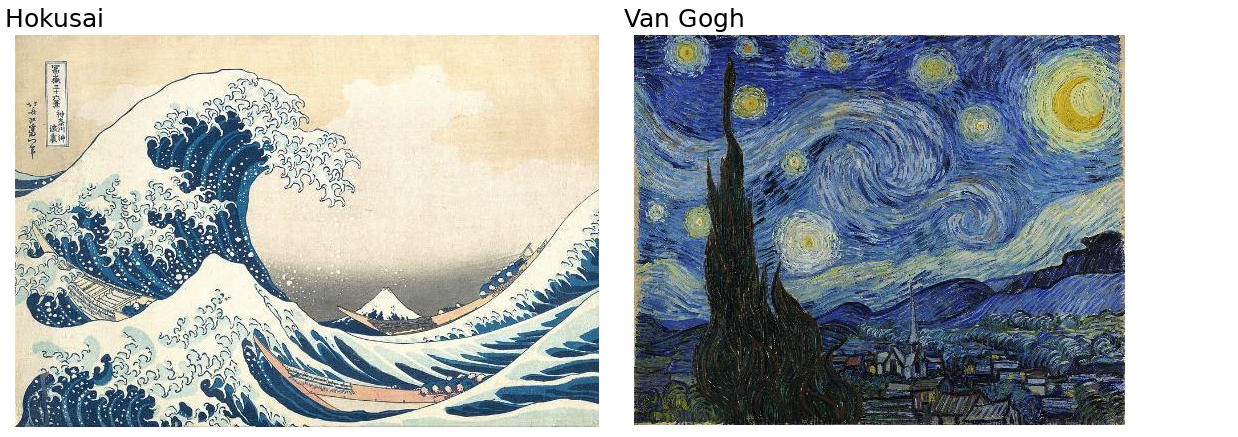
Blue dyes was known to be expensive, necessitating extraction of pigments from rare minerals or organisms, so that painters reserved the blue color only for important subjects until the Renaissance. This was the case until 1703, when a Swiss chemist Johann Diesbach discovered how to make the dye Prussian blue, ushering a paintings with lively blue colors such as the Great Wave Off Kanagawa by Hokusai and Starry Night by van Gogh:
An insoluble form of Prussian blue is synthesized from the reaction of a ferric salt and ferrocyanide complex:
2 Fe₂(SO₄)₃ (aq) + 3 K₄Fe(CN)₆ (aq) → Fe₄[Fe(CN)₆]₃ (s) + 6 K₂SO₄ (aq)
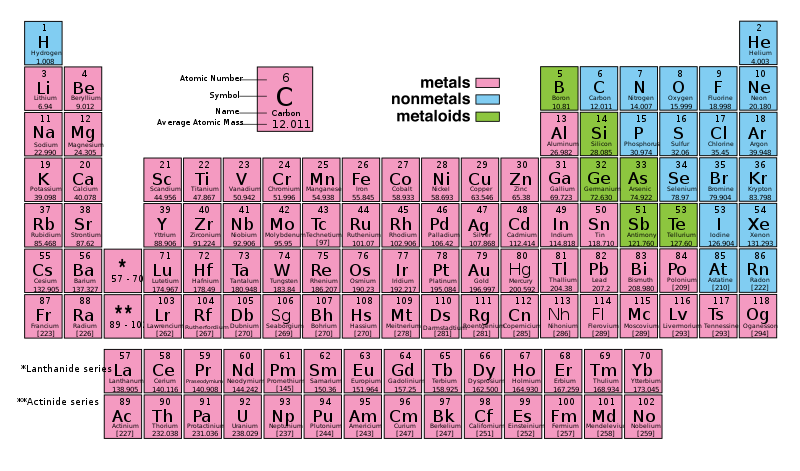
In this synthesis said reaction, which species is the Lewis acid?
Hint: In this reaction, the potassium cation and sulfate anions may be considered as spectator ions so that the overall reaction is:
4 Fe³⁺ (aq) + 3 [Fe(CN)₆]⁴⁻ (aq) → Fe₄[Fe(CN)₆]₃ (s)
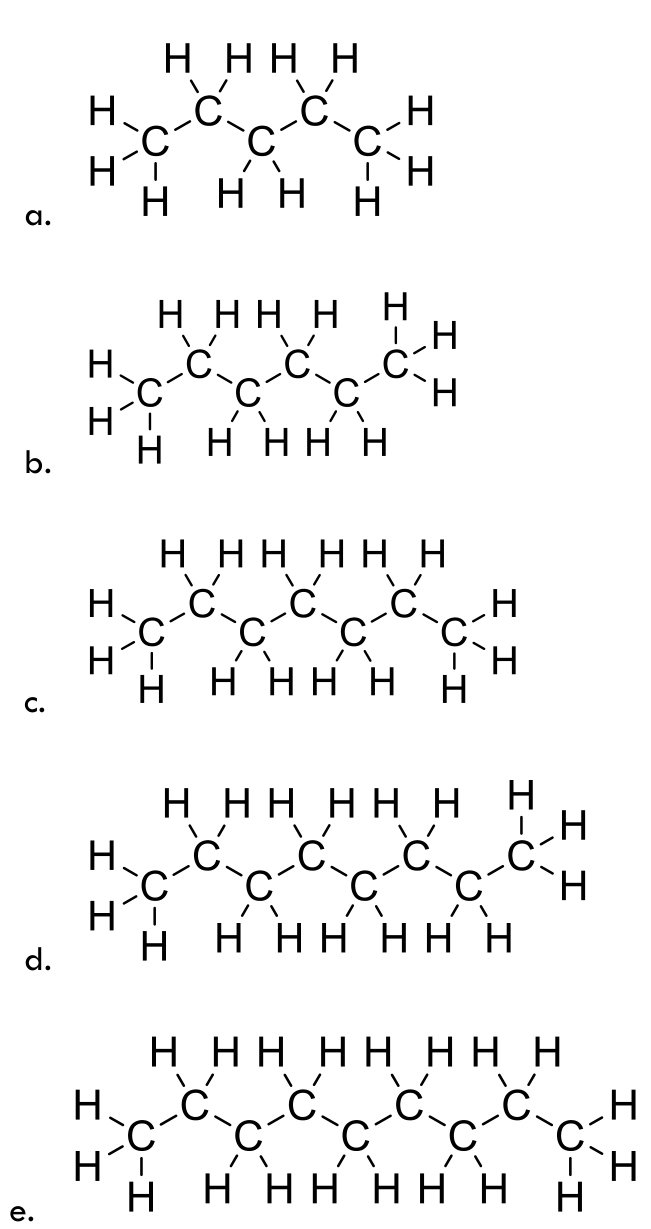
Shown below are Lewis structures of some hydrocarbons. Which of the following would you expect to have the highest vapor pressure at ambient room and temperature?
A 0.135 g piece of aluminum foil (Al) is added with enough sulfuric acid (H₂SO₄) until all of it dissolved. The resulting solution contains aluminum sulfate Al₂(SO₄)₃ and produces hydrogen gas H₂. What volume, at ambient temperature and pressure, of hydrogen gas is produced?
Use the following atomic weights: H=1, Al=27, S=32, O=16.
Calculation convention: use an ambient molar gas volume of approximately 24 L/mol.
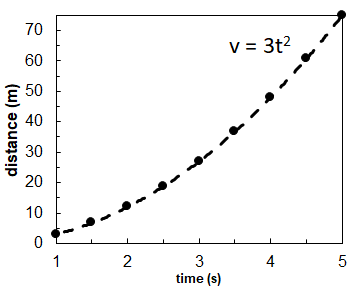
A container ship left Manila Bay at 5:00 am. The following graph shows the distance it travelled during the first five seconds of the trip. The data was graphed and was found to follow the trend d=3t² where v is the distance and t is the time. Which of the following best describes its acceleration?
Editorial correction: d is distance; the source’s later v is a symbol typo. Use metres and seconds.
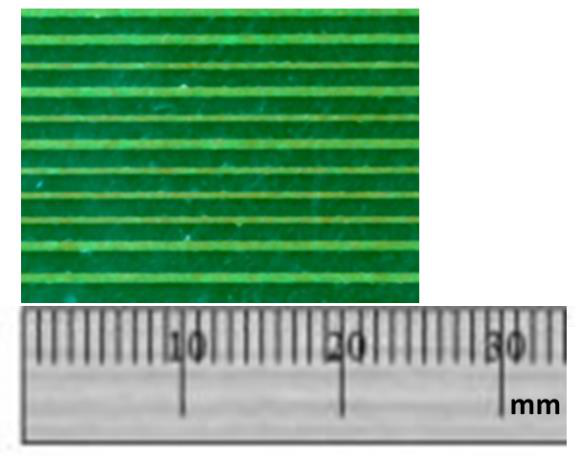
Glow-in-the-dark stickers come in different shapes and sizes. When exposed to light, these stickers tend to glow long after the light is turned off, thus the name. Which of the following terms most precisely describes this material?
A mass of ice at -50 °C is heated slowly until it melts, becomes liquid, and ultimately steam, at 140 °C. Assuming no mass loss during heating, at what stage of the process is the system requiring the most amount of heat?
Assume that the heat capacities of ice, water, and steam are constant in the given temperature ranges: c_ice=2.108 kJ/kgK, c_water=4.187 kJ/kgK, c_steam=1.99 kJ/kgK. Other relevant constants: ΔH_fus=334 kJ/kg, ΔH_fus=334 kJ/kg, ΔH_vap=2260 J/g.
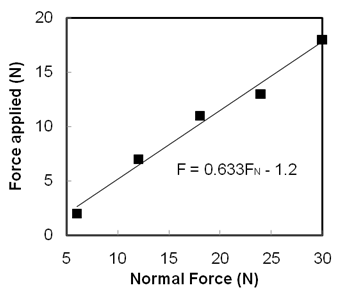
An engineer is attempting to have an idea of the roughness of a piece of wood by measuring its coefficient of friction. The table and the accompanying graph below show his measurements of the minimum force needed to push objects of different weights.
Normal (N): 6, 12, 18, 24, 30. Force applied (N): 2, 7, 11, 13, 18.
Given the data, what is the coefficient of friction that the engineer should report?
A physicist is trying to measure the mass of an electron by placing through a uniform electric field of 1.00 × 10⁴ N/C. This resulted in the electron accelerating at 1.7 × 10¹⁵ m/s². What is the % error of this measurement if the accepted value for the mass of an electron is 9.1 × 10⁻³¹ kg and its charge=1.6 × 10⁻¹⁹ C?
The earth’s axial tilt or obliquity continuously changes within a 40,000-year cycle, varying between 22.1 and 24.5 degrees. As the tilt becomes smaller, what effect does it have in our seasons?
Summers become warmer and winters become less cold
Summers become less warm and winters become colder
Summers become warmer and winters become colder
Summers become less warm and winters become less cold
Summers become less frequent while winters occur more