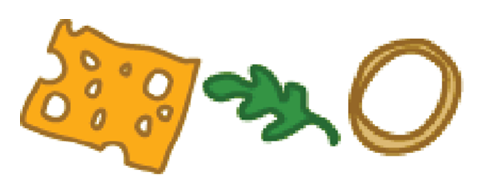
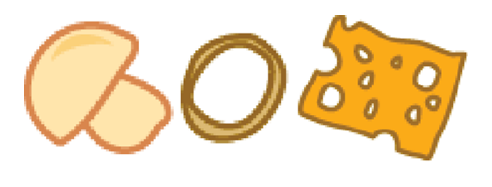
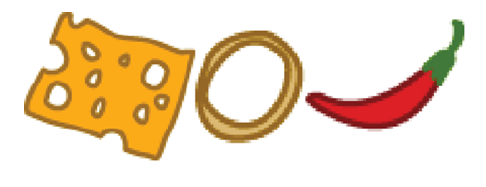
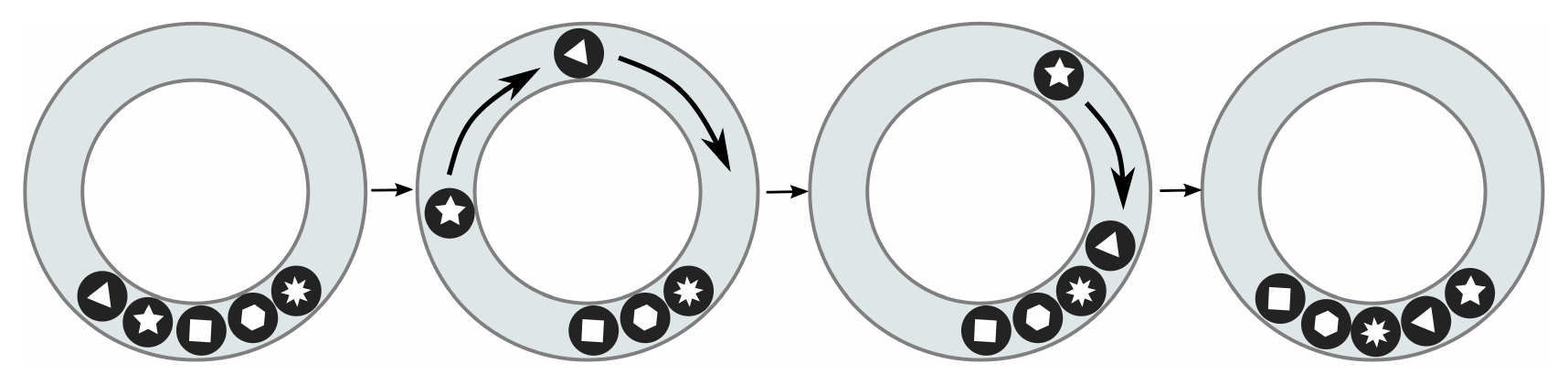
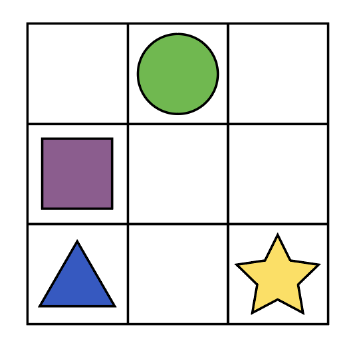
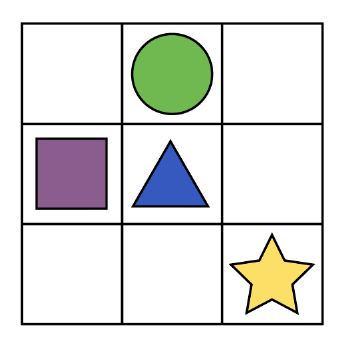
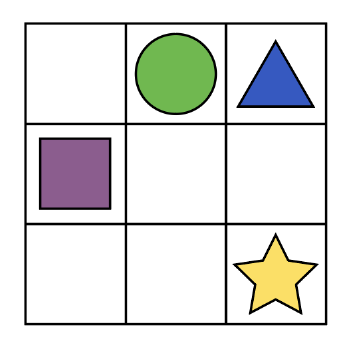
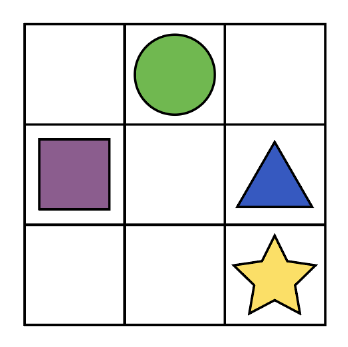
Mi must place one circle, one square, one triangle and one star in a 3 by 3 grid with these rules:
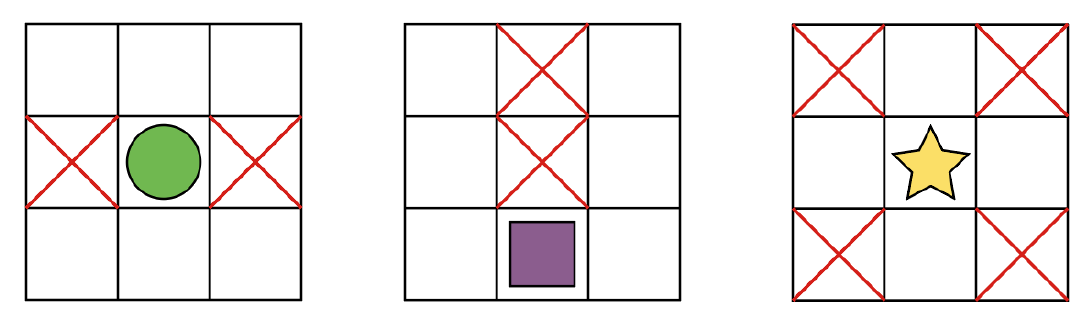
- No other shape may share the circle’s row.
- No other shape may share the square’s column.
- No other shape may share a diagonal with the star.
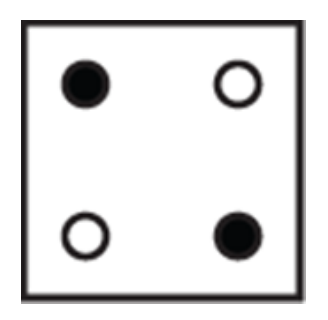
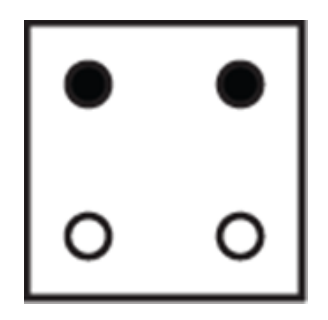
These examples illustrate the rules. No additional shape may be placed in a crossed-out square.
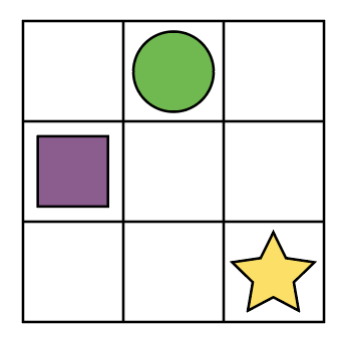
Mi has placed the circle, square and star as shown.
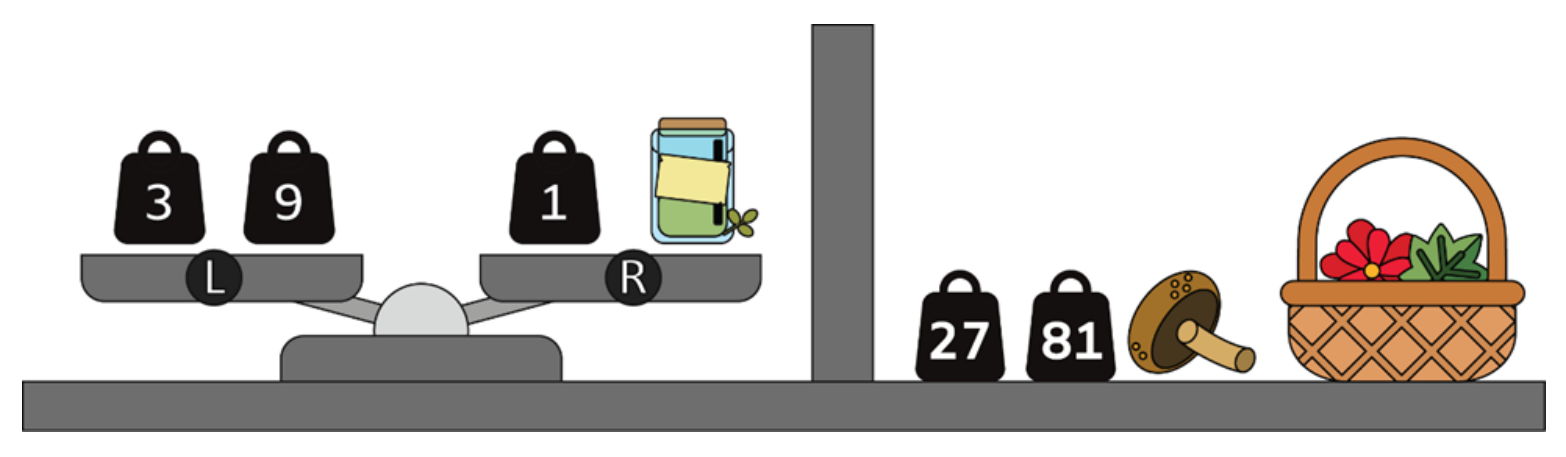
Tom works in a supermarket and has a balance scale and five weights: 1 gram, 3 grams, 9 grams, 27 grams and 81 grams. The picture shows how he weighs 11 grams of herbs.
Tom makes codes to help new staff. R means put the weight on the right pan, L means put it on the left pan, and O means do not use it. The code positions follow weights 1, 3, 9, 27, 81 grams in that order. For 11 grams, the code is RLLOO, as shown (Thảo mộc means herbs).
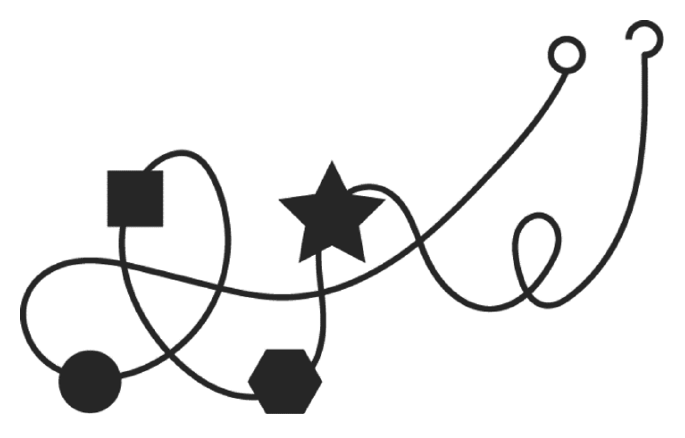
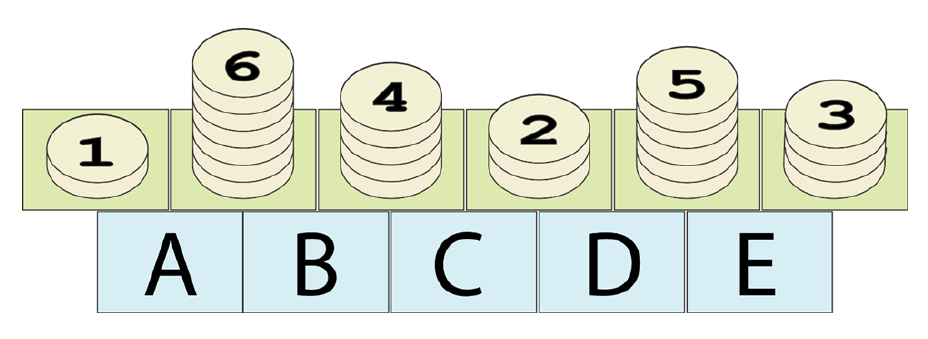
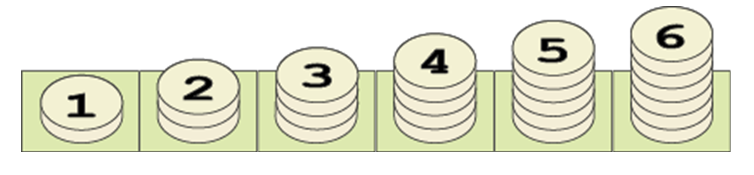
Six columns contain 1, 6, 4, 2, 5 and 3 coins, respectively.
Pressing A, B, C, D or E compares the two columns immediately above that button:
- If the left column has fewer coins than the right, the columns swap.
- If the right column has fewer coins than the left, they stay in place.
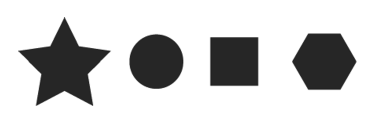
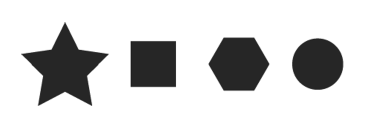
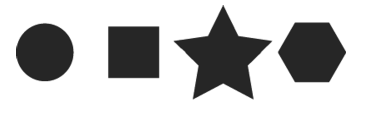
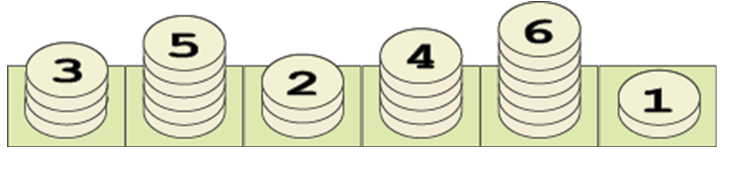
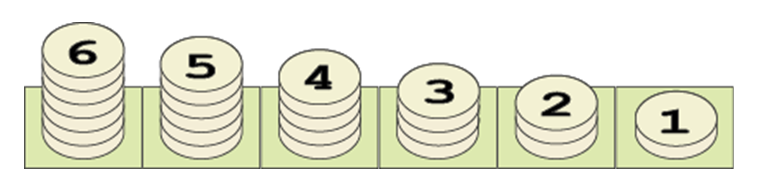
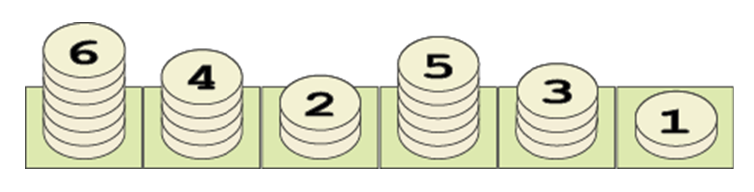
What is the resulting arrangement after pressing A, B, C, D and E in that order?
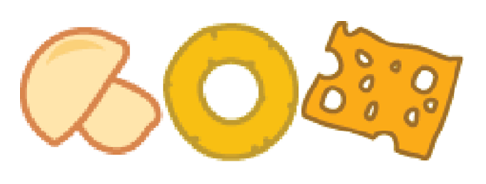
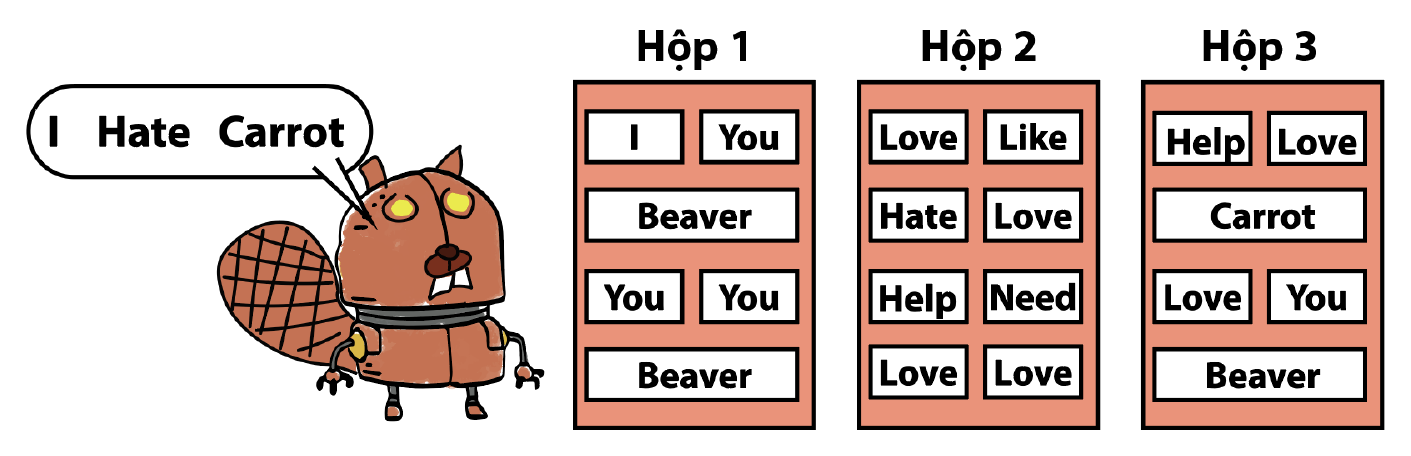
A robot can say three-word sentences. The first word must come from Box 1, the middle word from Box 2 and the last word from Box 3. In the original picture, Hộp means Box.
Consider these four sentences:
- You Help Beaver
- Beaver Like Help
- I Love Love
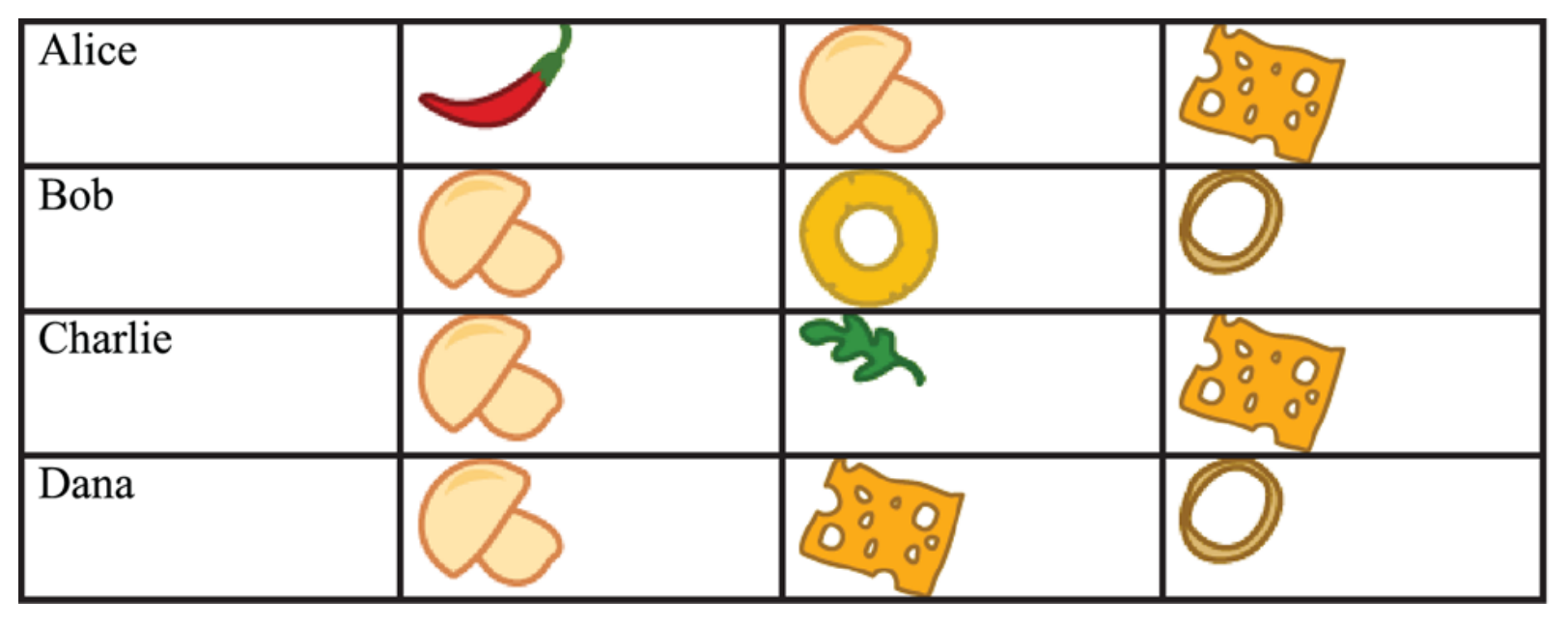
- You Need Me
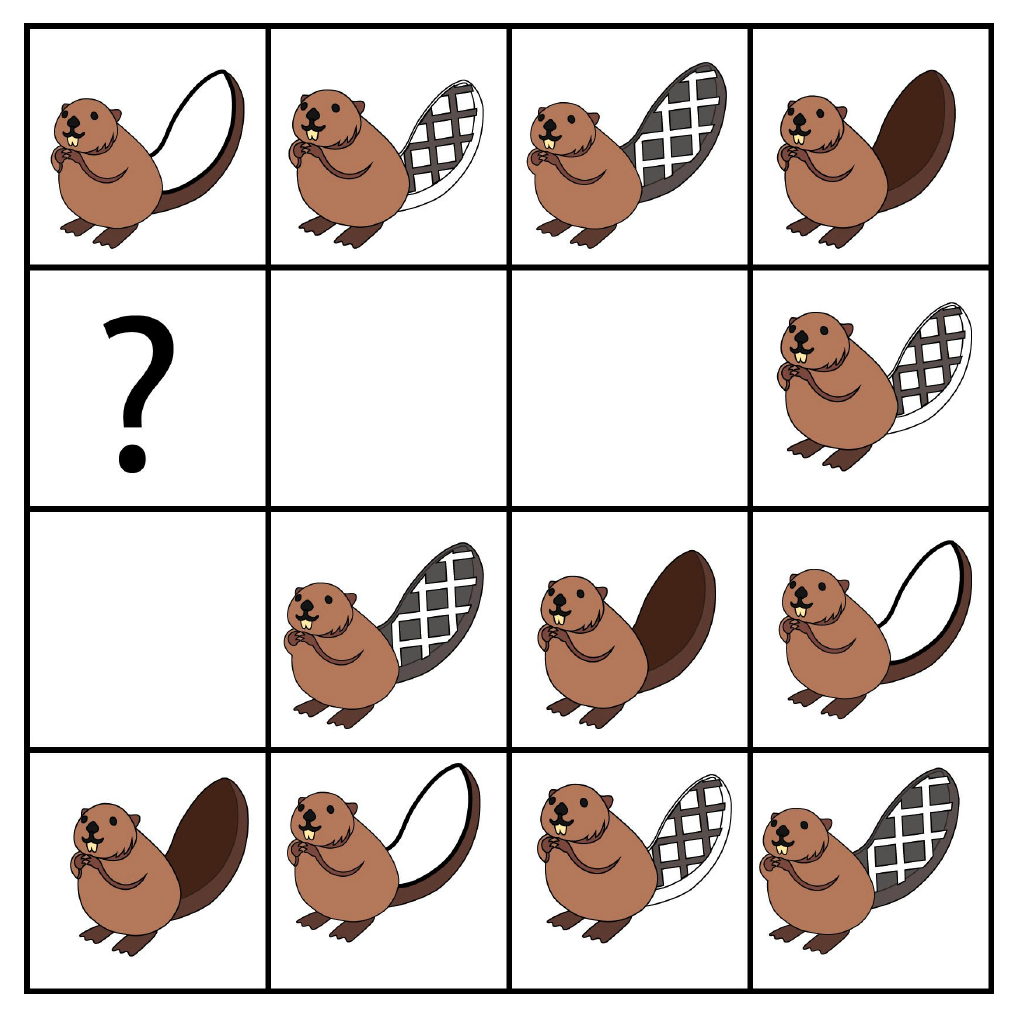
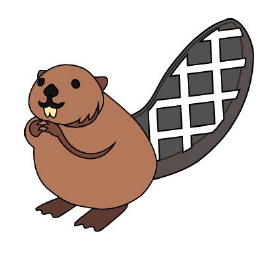
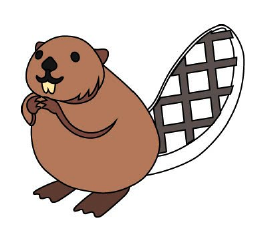
Mi makes a grid of beaver pictures so that no row contains two identical pictures and no column contains two identical pictures. Some pictures have already been placed.