Skip to content / Đến nội dung
ThichHocToan.com

Bebras 2019 - Level 3

Question 1

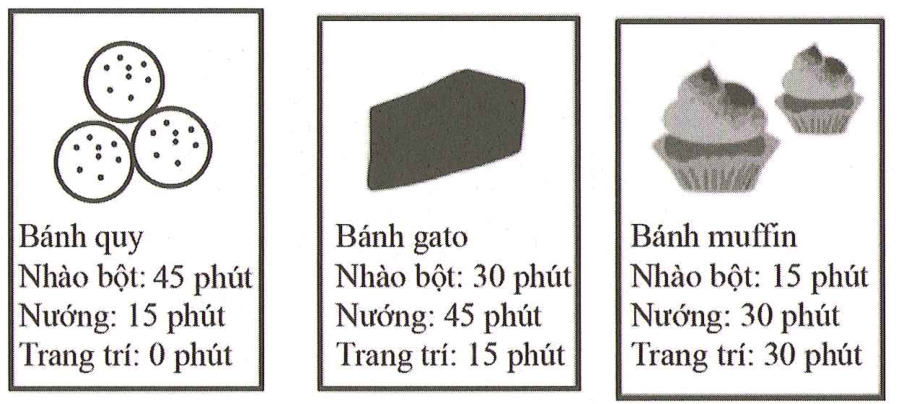
Pia and Torsten the beavers are invited to a vegetarian party at 3 pm. They want to bring cookies, a cake and muffins. At 1 pm they start making these according to the instructions below.
Question illustration

| Cake type | Mixing | Baking | Decorating |
|---|---|---|---|
| Cookies | 45 minutes | 15 minutes | 0 minutes |
| Cake | 30 minutes | 45 minutes | 15 minutes |
| Muffins | 15 minutes | 30 minutes | 30 minutes |

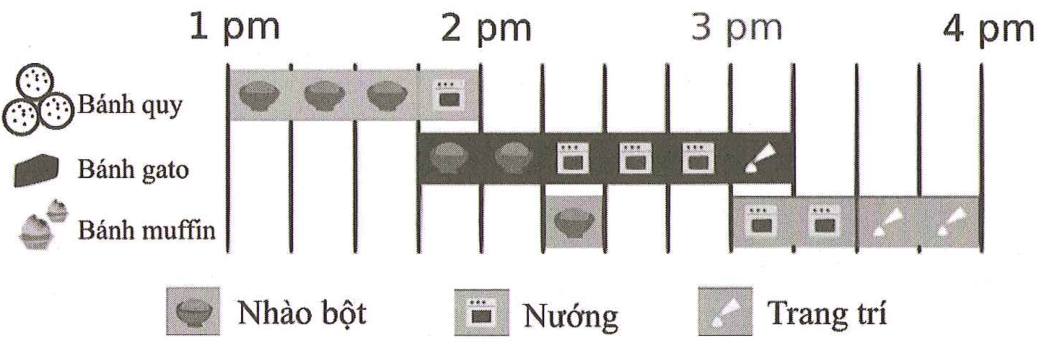
Pia will mix and bake while Torsten decorates. Their proposed baking plan is shown below.
Question illustration

Following this plan, they finish at 4 pm. What is the earliest time they could finish all the cakes?
  1. 2:15
  2. 2:30
  3. 2:45
  4. 3:00

Question 2

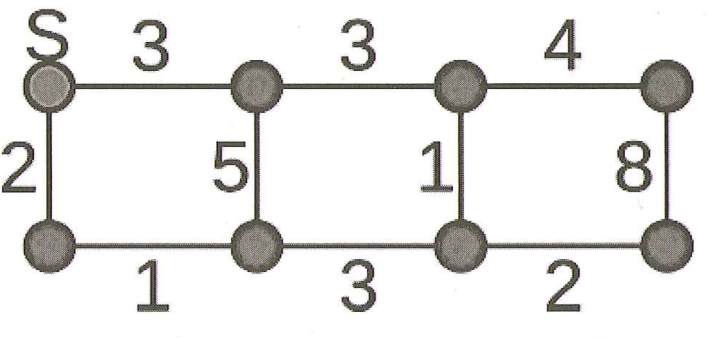
A beaver is a delivery worker for the Byber app. Starting at S, the beaver must visit every other point exactly once. The numbers in the diagram show distances between points. The payment is proportional to the distance travelled.

Question illustration

What is the greatest distance the beaver can travel? The beaver may finish at any point.
  1. 23
  2. 24
  3. 25
  4. 26

Question 3

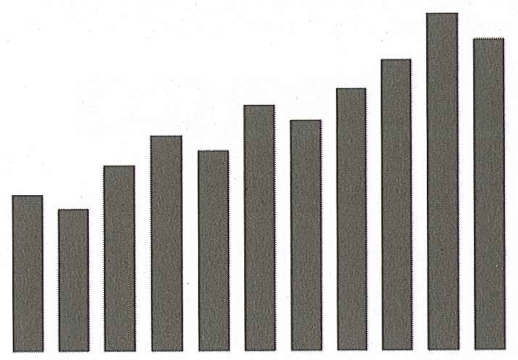
There are 11 towers in the picture below.

Question illustration

A tower is special if it is taller than every tower to its left and shorter than every tower to its right. How many special towers are in the picture?
  1. 3
  2. 4
  3. 5
  4. 6

Question 4

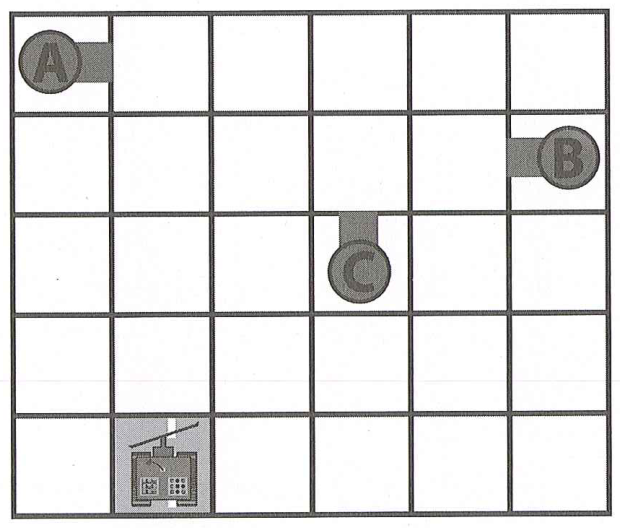
After a snowstorm, three beavers are trapped at home. A robot must rescue them by going to the front doors of their homes.

Question illustration

The roads are covered with snow, making travel difficult. The robot needs 2 hours to travel through each square, but only 1 hour through squares it has already visited. It can move horizontally and vertically, but not diagonally. What is the minimum number of hours needed to rescue the beavers and return to the starting square?
  1. 14
  2. 15
  3. 21
  4. 24

Question 5

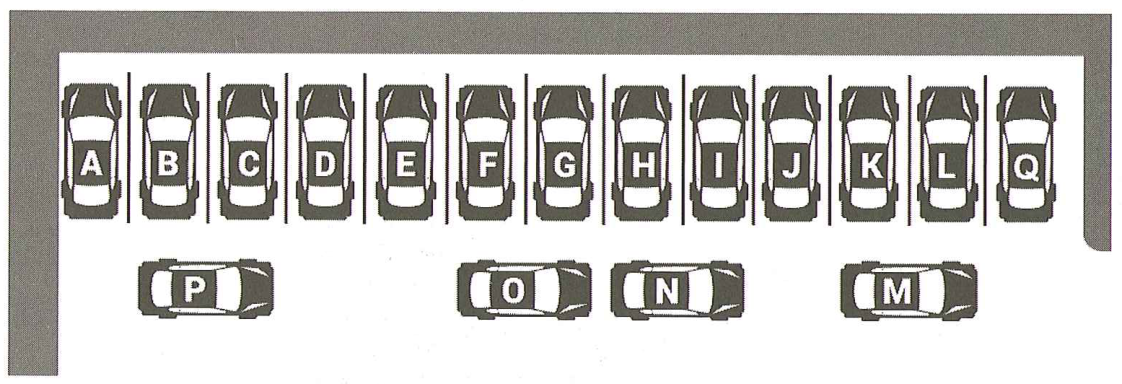
In a car park, cars may park in bays or in front of bays, as illustrated below.

Question illustration

Cars in front of the bays can be pushed forward or backward to make room for cars in the bays to leave. For example, car A can leave without moving any other car, whereas the driver of L must push M back one space. Which car’s driver must push two other cars in order to leave?
  1. I
  2. H
  3. F
  4. K

Question 6

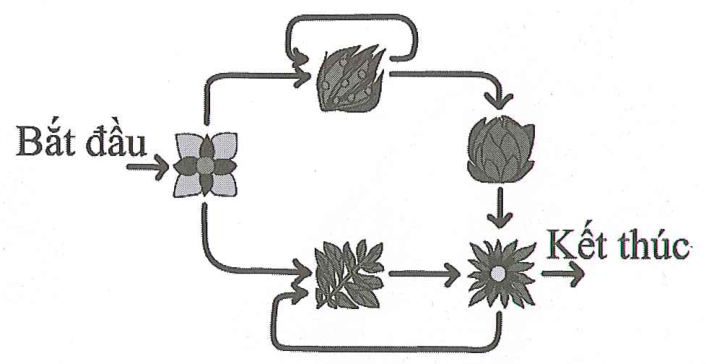
A machine is programmed to embroider scarves automatically according to the instructions in the following diagram.

Question illustration

Starting at the beginning, the machine follows the arrows and embroiders the corresponding picture whenever it encounters one. It continues until it takes the finish arrow to complete the scarf. Which scarf below can this machine produce?
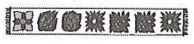
  1. Question illustration
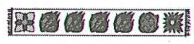
  2. Question illustration
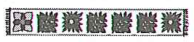
  3. Question illustration
  4. Question illustration

Question 7

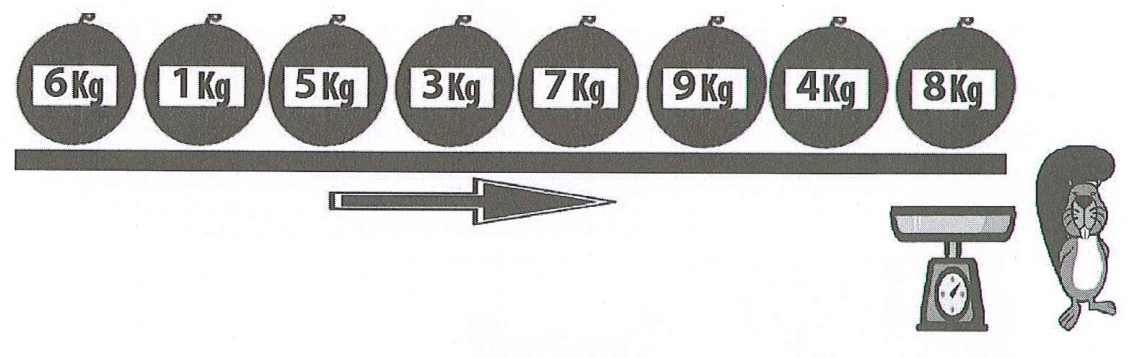
Mirko the beaver works in a factory. His job is to weigh watermelons and pack them into a box weighing exactly 20 kg.

Question illustration

| Belt order from left to right | 6 | 1 | 5 | 3 | 7 | 9 | 4 | 8 |
|---|---|---|---|---|---|---|---|---|

The watermelons travel towards Mirko on the conveyor belt shown. Mirko takes them in order, puts each on the scale and checks the total weight:

- If the total is at most 20 kg, he leaves that watermelon on the scale.
- If the total exceeds 20 kg, he removes that watermelon.

He continues until he has exactly 20 kg, then stops. How many watermelons are in the 20 kg box?
  1. 3
  2. 4
  3. 5
  4. 6

Question 8

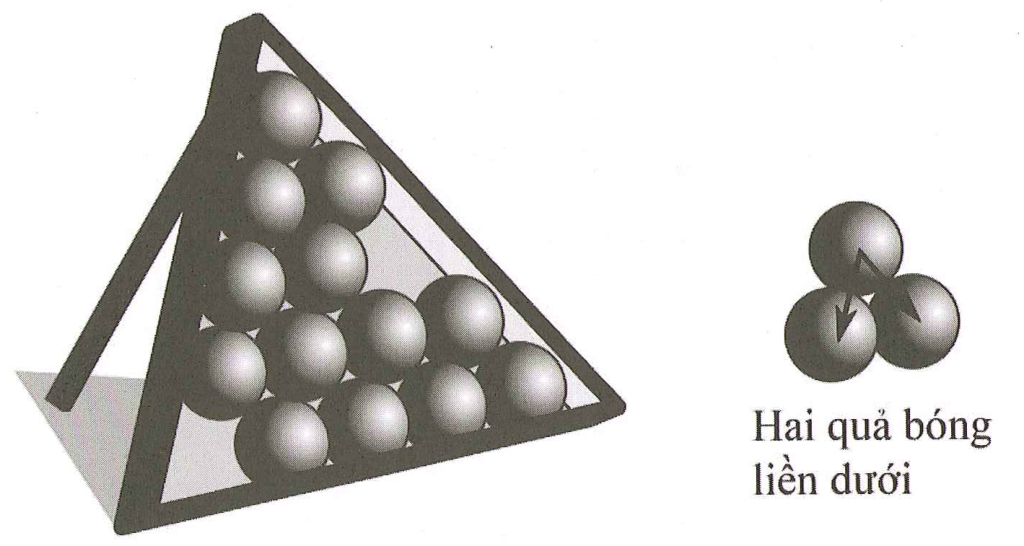
The beavers put 13 balls in a triangular box as illustrated below.

Question illustration

A ball is said to be in a “dangerous” position if it satisfies at least two of the following conditions:

- There is at least one empty space immediately below it.
- There is at least one ball immediately below it that is in a dangerous position.

How many balls in the box are not in a dangerous position?

Editorial clarification approved for this practice package: the original wording above is preserved. For grading, interpret the two danger conditions with “at least one” (OR), as used in the official solution, rather than “at least two” (AND). The bottom edge of the box supports its bottom row.
  1. 4
  2. 6
  3. 8
  4. 9

Question 9

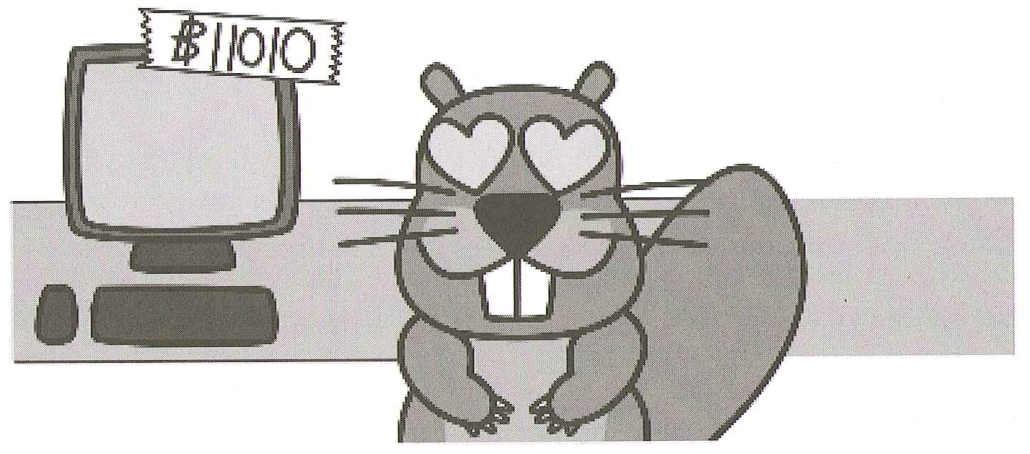
Taro the beaver goes to the supermarket. He has coins of 1 Beaver, 10 Beaver, 100 Beaver, 1000 Beaver and 10000 Beaver. He wants to buy a computer without changing money. The computer he chooses costs 11010 Beaver.

Question illustration

If all computers that Taro can buy without changing money are ordered from most expensive to cheapest, what position does his computer occupy?

Editorial clarification approved for this practice package: interpret the list as exactly one coin of each of the five denominations, as assumed by the official solution. The original does not explicitly state the quantities.
  1. 5th
  2. 6th
  3. 11th
  4. 26th

Question 10

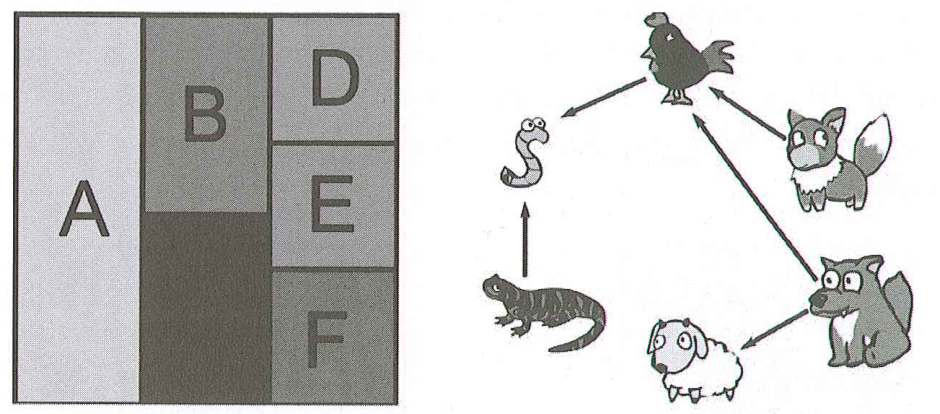
Koko the beaver keeps some animals in six enclosures A, B, C, D, E and F as shown below.

Question illustration

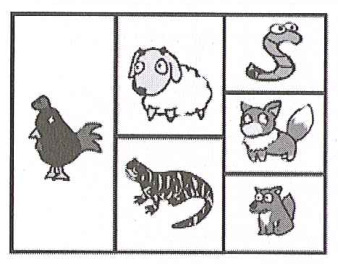
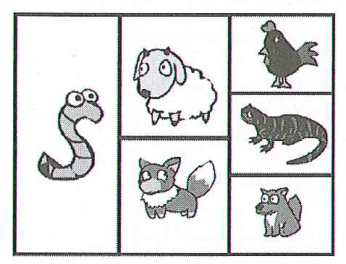
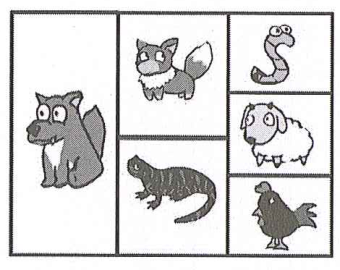
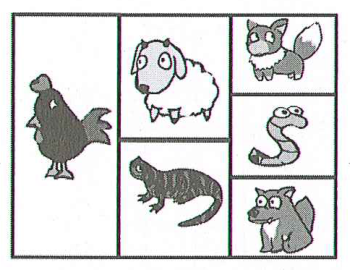
However, some animals can eat others, as shown above. For example, the wolf eats the sheep, while the worm may be eaten by the chicken. To keep the animals safe, Koko must put them in enclosures so that no animal is next to an enclosure containing an animal it can eat. Which arrangement below is unsuitable?
  1. Question illustration
  2. Question illustration
  3. Question illustration
  4. Question illustration

Question 11

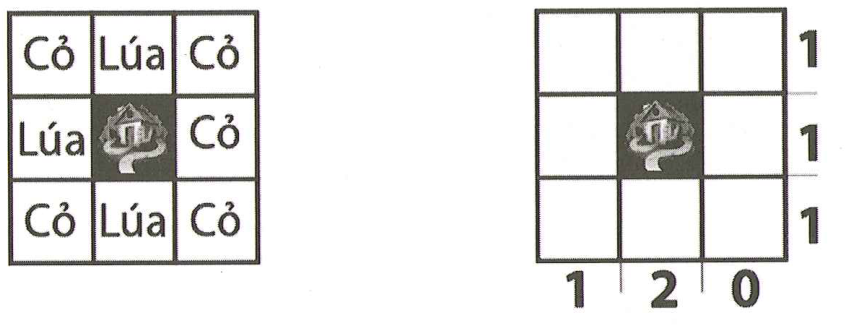
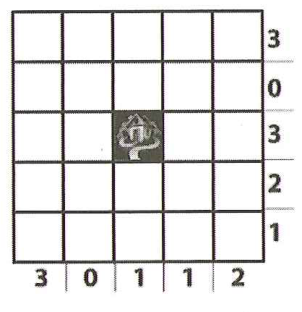
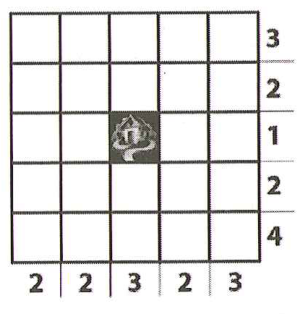
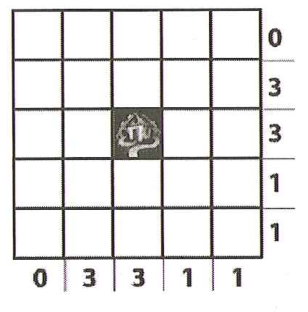
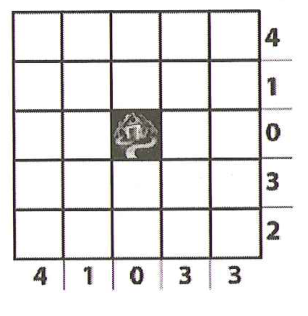
The beavers’ farms are divided into small squares. The middle square is a warehouse, while all other squares are used to grow grass or wheat. Every year the beavers must report to the authorities how many squares grow wheat. The report gives the total wheat squares in each row and column, as illustrated below.

Question illustration

| Example farm | Column 1 | Column 2 | Column 3 | Wheat in row |
|---|---|---|---|---|
| Row 1 | Grass | Wheat | Grass | 1 |
| Row 2 | Wheat | Warehouse | Grass | 1 |
| Row 3 | Grass | Wheat | Grass | 1 |
| Wheat in column | 1 | 2 | 0 | |

Which of the beavers’ reports below is correct?

Editable report data:

| Report | Row counts, top to bottom | Column counts, left to right |
|---|---|---|
| A | 3,0,3,2,1 | 3,0,1,1,2 |
| B | 3,2,1,2,4 | 2,2,3,2,3 |
| C | 0,3,3,1,1 | 0,3,3,1,1 |
| D | 4,1,0,3,2 | 4,1,0,3,3 |
  1. Question illustration
  2. Question illustration
  3. Question illustration
  4. Question illustration

Question 12

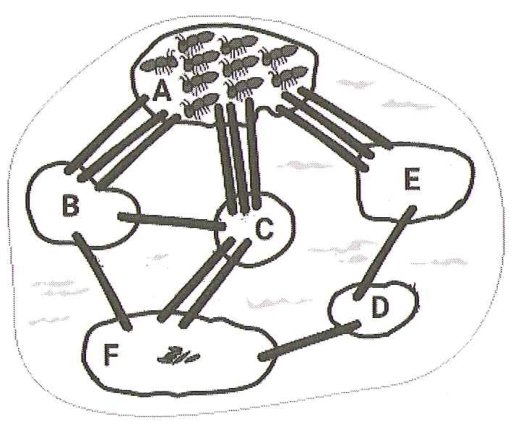
Ten ants on island A are trying to get to island F to find food, as shown below.

Question illustration

At any moment, at most one ant may be on a connection between two islands. Each ant takes 1 minute to traverse a connection, and travel within an island takes negligible time. What is the maximum number of ants that can reach F after 3 minutes?
  1. 4
  2. 5
  3. 6
  4. 7

Question 13

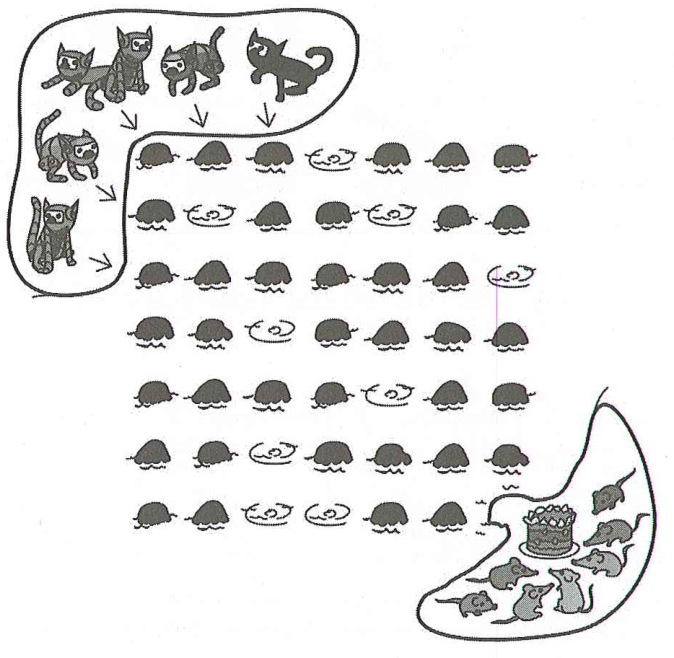
Six cats are going to the mice’s party by jumping across islands in the river. They may jump only to adjacent islands. They cannot jump diagonally or jump onto or across submerged islands. Each cat stays on an island for exactly 1 minute before jumping to another empty island. Jumping time is negligible. If there is no empty neighbouring island, the cat must stay for another minute.

Question illustration

What is the minimum number of minutes needed for all six cats to reach the mice’s party?
  1. 12
  2. 15
  3. 19
  4. 24

Question 14

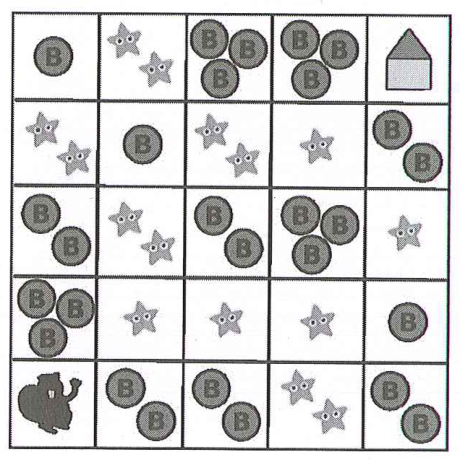
Tara the beaver wants to go home. At each step she can move one square up or one square right in the diagram below.

Question illustration

Each square contains coins or starfish. Whenever she crosses a square containing coins, she takes all its coins. Whenever she crosses a square with starfish, she must leave as many coins as there are starfish. If she has no coins left, she can pay later when she has more. What is the largest number of coins Tara can have when she gets home?

Editable grid data: positive values are coins collected, negative values are starfish payments; the lower-left 0 is the start and upper-right 0 is home.

| Row from top | 1 | 2 | 3 | 4 | 5 |
|---|---|---|---|---|---|
| 1 | 1 | -2 | 3 | 3 | 0 |
| 2 | -2 | 1 | -2 | -1 | 2 |
| 3 | 2 | -2 | 2 | 3 | -1 |
| 4 | 3 | -1 | -1 | -1 | 1 |
| 5 | 0 | 2 | 2 | -2 | 2 |
  1. 8
  2. 9
  3. 10
  4. 12

Question 15

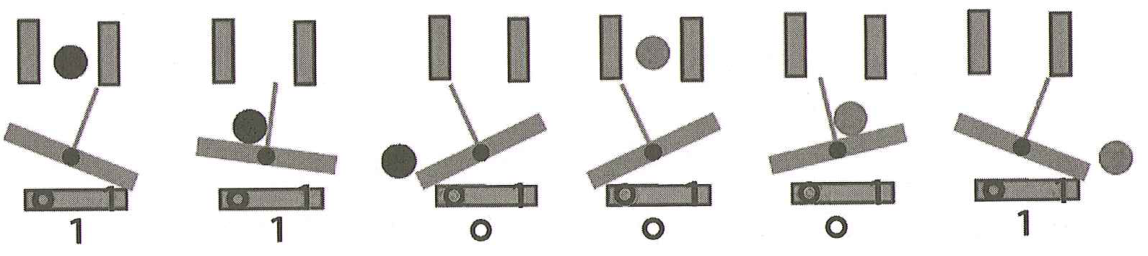
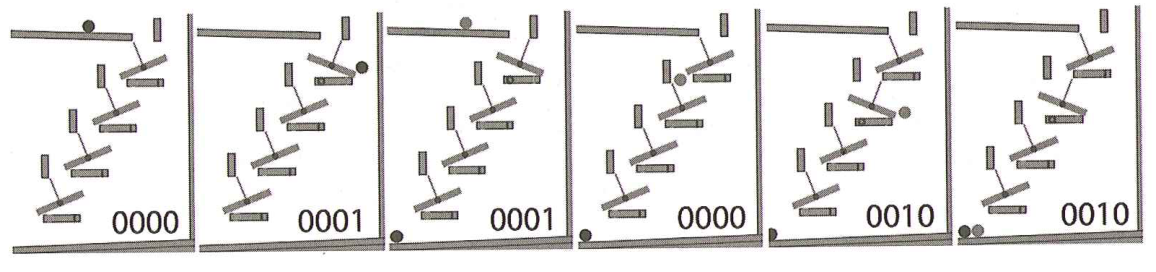
In a machine, horizontal bars can tilt to the left (value 0) or to the right (value 1). When a ball falls onto a bar, it reverses that bar’s value and then falls as shown below.

Question illustration

Below are the changing bar states after two balls have fallen.

Question illustration

The sequences 0000, 0001, … represent the states of the bars at each moment. If three more balls fall one at a time, what will the state of the bars be?
  1. 0111
  2. 1010
  3. 0110
  4. 0101